The rain in west London has a way of washing color out of the streets, leaving everything a uniform, heavy gray. On a typical afternoon in Southall, the air smells of diesel exhaust, roasting spices, and damp asphalt. Thousands of people hurry along the pavements, consumed by the ordinary anxieties of making a living, paying rent, and sending money back home to families in Punjab. It is a neighborhood built on hustle, grit, and community.
But beneath that familiar surface of bustling markets and local shops, an entirely different kind of enterprise was operating. It was an enterprise built not on honest labor, but on suitcases packed tight with rubber-banded bricks of twenty-pound notes.
Bikramjit Brar, Hardeep Thind, and Purshotam Dhillon looked, to the casual observer, like men who had figured out the system. They moved through the city with the quiet confidence of people who had unlocked a shortcut to wealth. They understood a fundamental truth about the modern global economy: criminal enterprises generate massive amounts of cash, but raw cash is a heavy, dangerous burden. It cannot be deposited into a high-street bank account without triggering alarm bells. It cannot buy property or fund legitimate businesses while it smells of the street.
To survive, dirty money requires a bridge. It requires people willing to look at millions of pounds of unexplained cash and find a way to make it disappear into the digital ether.
These three men became that bridge. But shortcuts have a habit of ending abruptly, and the illusion of an invisible crime network eventually collides with the cold, methodical reality of a police investigation. When the trap finally snapped shut, it revealed the staggering scale of a multi-million-pound laundering operation and ended with long prison sentences handed down in a somber London courtroom.
The Logistics of Shadows
Criminal networks are often romanticized in fiction as high-stakes dramas filled with adrenaline. The reality is far more mundane. Money laundering on an international scale is, at its core, a logistics business. It is a tedious, stressful game of moving weight from point A to point B without drawing attention.
Consider how a hypothetical courier in their network might have felt walking through a busy airport terminal. The physical weight of a hundred thousand pounds in a duffle bag is surprisingly heavy. Every glance from a security guard feels like an interrogation. Every delay at a passport control desk causes the heart to hammer against the ribs. The conspirators ran an operation that relied on exploiting the cracks in international travel and banking systems, systematically moving cash out of the UK under the guise of ordinary commerce or personal travel.
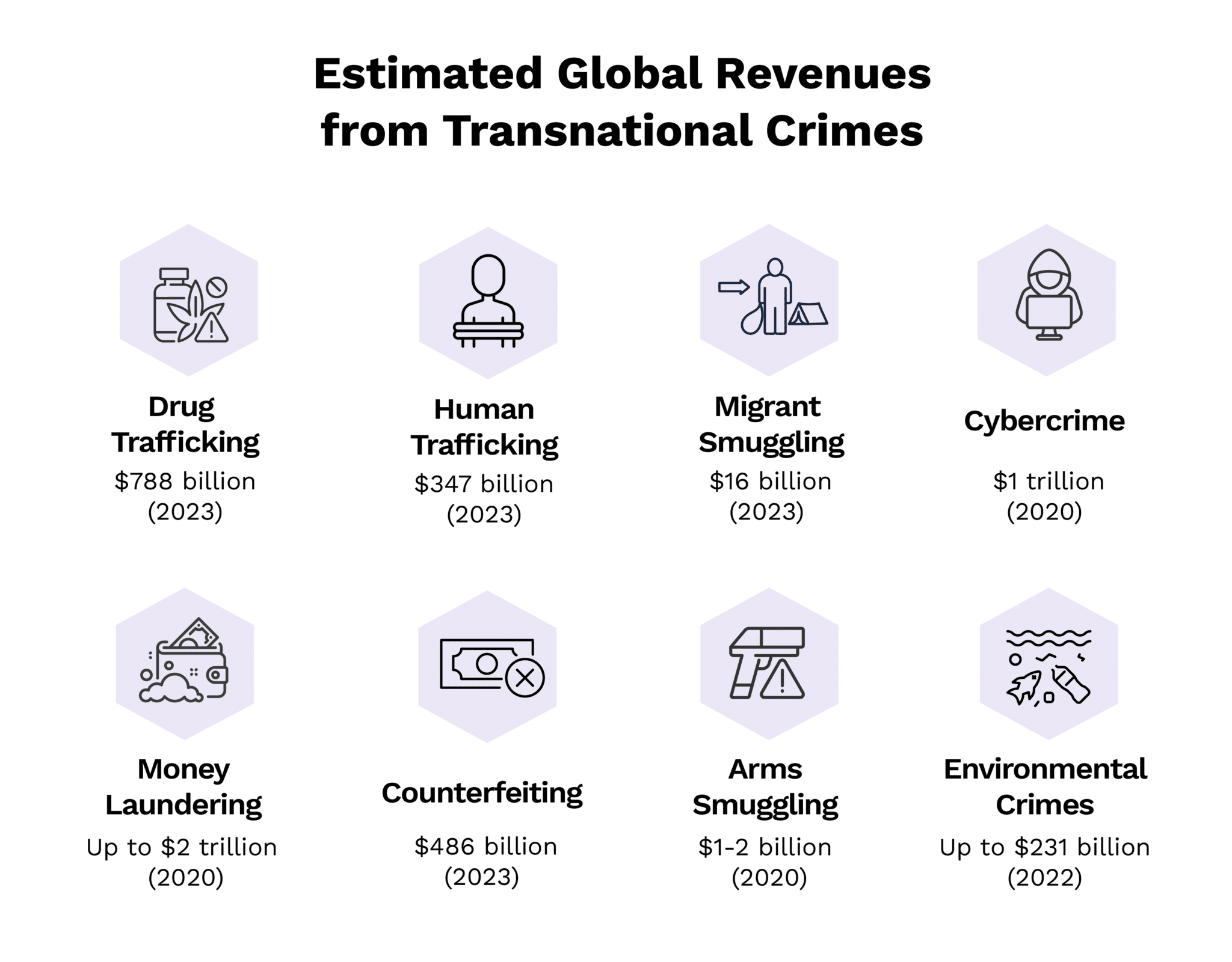
They operated in the gray zones. They utilized informal money transfer systems and couriers to bypass the strict regulatory frameworks designed to catch suspicious financial activity. To the criminal syndicates supplying the cash—groups involved in drug trafficking, fraud, and illegal smuggling—Brar, Thind, and Dhillon were essential utilities. They were the washing machines.
But tracking dirty currency is a primary focus for specialized law enforcement units. The National Crime Agency and specialized police divisions do not just chase the substances or the illicit goods; they follow the paper trail. Cash leaves a scent. It leaves a pattern of sudden flights, anomalous bank accounts, and unexplained wealth that standard salaries cannot justify.
The Crumbling Illusion
The downfall of a major financial criminal network rarely happens overnight. It is a slow, agonizing process of accumulation. Investigators watch. They log license plates. They monitor flight manifests. They photograph handovers in nondescript parking lots.
For months, the digital and physical movements of Brar, Thind, and Dhillon were quietly mapped out by authorities. The men believed their methods were foolproof, shielded by cultural networks and informal agreements that left no digital footprint. This is a common trap for those who operate in organized crime: the belief that complexity equals safety. They assumed that because their operation spanned continents and relied on trusted couriers, it was too tangled for local authorities to unravel.
It was a catastrophic miscalculation.
One by one, the puzzle pieces came together. Couriers were intercepted. Stashes of cash were seized, stacked high on police evidence tables like blocks of worthless paper. The legal framework of the United Kingdom is unyielding when it comes to the proceeds of crime. Once the state demonstrates that wealth has no legitimate origin, the burden of proof shifts, and the entire structure collapses like a house of cards.
When the police finally moved in to make the arrests, the carefully constructed lives of the trio vanished. The luxury items, the status, and the freedom inherent in their operation were replaced by the stark reality of blue flashing lights and steel handcuffs.
The Price of Admission
In London's Crown Courts, justice is delivered with a quiet, devastating formality. There are no dramatic outbursts, just the dry reading of charges, the presentation of meticulous financial logs, and the final, heavy thud of the judge's gavel.
The sentences handed down to Bikramjit Brar, Hardeep Thind, and Purshotam Dhillon were severe, reflecting the judiciary's determination to signal that the UK will not serve as a safe harbor for the financial plumbing of global crime. Collectively, they were stripped of their liberty and sentenced to years behind bars, isolated from the communities they had lived in and the families they sought to enrich through illicit means.
Beyond the prison terms lies the absolute financial ruin. Asset forfeiture laws ensure that the state dismantles the financial gains of such operations entirely. The houses, the accounts, and the hidden assets are systematically traced and seized.
The tragedy of the story does not belong to the men who chose to break the law; it belongs to the wider community. Every time an illegal money ring is uncovered within an immigrant diaspora, it casts an unfair shadow over millions of honest, hardworking people who send money home legally, brick by brick, through a lifetime of genuine sweat and toil. The actions of a few distort the image of the many.
The streets of Southall continue to move at their usual frantic pace. The rain still falls, the spice markets remain crowded, and people continue to work long hours to build real, lasting futures. But the empty spaces left behind by three men now sitting in cold prison cells serve as a stark reminder of an ancient truth.
When you build a kingdom out of paper, it only takes a single spark to burn it all down.