History is rarely made in grand halls with cheering crowds. More often, it is scribbled in the margins of a private notebook, typed onto a secure server, or archived in folders marked confidential.
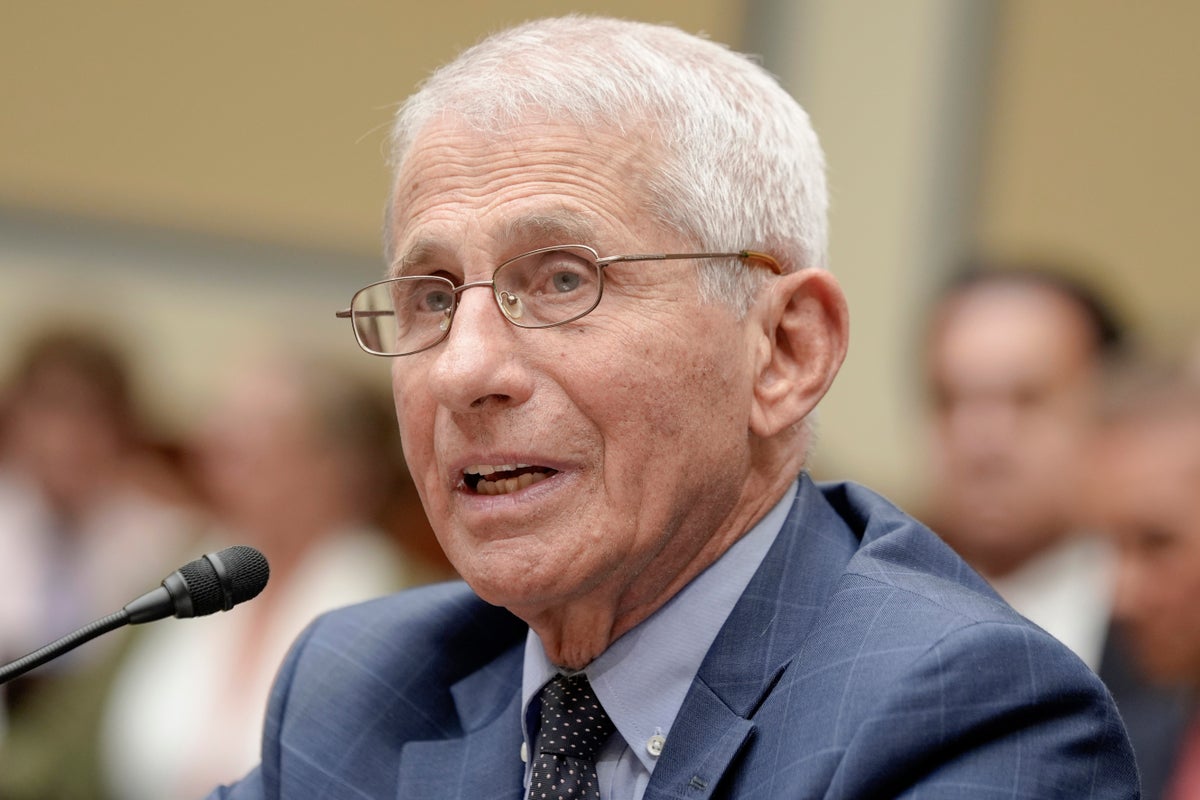
Think back to the spring of 2020. The world slowed to a crawl. Streets emptied. Silence settled over cities that never slept. Behind the heavy oak doors of government offices, scientists and politicians wrestled with decisions that would shape the daily lives of billions. Among them sat Dr. Anthony Fauci, a career immunologist who had advised seven presidents, now finding himself at the center of an unprecedented global crisis. Every night, as the television hummed with rising case counts, he documented his reality.
Those personal notes did not stay hidden. They became the center of a political storm.
When public officials testify before Congress, the exchange is rarely just about data points. It is a clash of worldviews. On one side stands a scientific establishment tasked with managing public safety through shifting guidance and imperfect models. On the other stands legislative oversight, armed with subpoenas, demanding accountability for every mandate, email, and directive.
Senator Rand Paul has spent years pressing for transparency, pushing past bureaucratic walls to examine the origins of decisions that shuttered businesses and restricted movement. The upcoming showdown over Fauci’s private diary entries is the latest chapter in this protracted battle.
Consider what happens when personal recollection meets public scrutiny. A diary is not a scientific paper. It is raw, unfiltered, subjective. It captures doubt, exhaustion, frustration, and the burden of making monumental choices with incomplete information. To critics, these private thoughts offer a window into potential miscalculations or institutional blind spots. To defenders, they reveal a dedicated public servant grappling with an invisible enemy under intense pressure.
The real tension here is not just about ink on paper or digital files retrieved through Freedom of Information Act requests. It is about trust.
When a society undergoes collective trauma, the social contract bends. Citizens are asked to surrender fundamental freedoms—to stay home, to close schools, to mask up—based on the advice of experts. When the crisis recedes, the inevitable reckoning begins. People want to know: Did we do the right thing? Were we told the whole truth? Could it have been handled differently?
Answers rarely come easy. Science is not a rigid list of absolute facts carved in stone. It is a process of trial, error, correction, and debate. Yet politics demands certainty. Lawmakers want a simple yes or no. They want to pin down responsibility.
As these diaries take center stage once more, the documents serve as a mirror reflecting our collective anxiety. They remind us of a time when no one knew what tomorrow would bring. They highlight the friction between administrative power and democratic accountability.
The debate will generate headlines, cable news segments, and fiery clips shared across social media. Arguments will be rehearsed, defenses raised, and accusations hurled.
Yet long after the cameras turn off and the committee room empties, the fundamental question remains unresolved. How do free societies balance the urgent need for emergency authority with the timeless necessity of oversight?
The notebooks will be opened. The pages will be turned. And the debate over how we navigated the darkest days of our generation will continue, written not just in the official archives of government, but in the enduring memory of a changed world.