Trust is a fragile instrument. Once bent, it never quite returns to its original shape.
For years, the public lived in the shadow of directives, press briefings, and midnight guidelines that dictated how we hugged our parents, whether we could open our businesses, and how we mourned our dead. We were told to follow the science. We were told that every precaution, every mandate, and every bureaucratic decree flowed from a pure, uncompromised fountain of absolute authority.
Then, the cracks appeared.
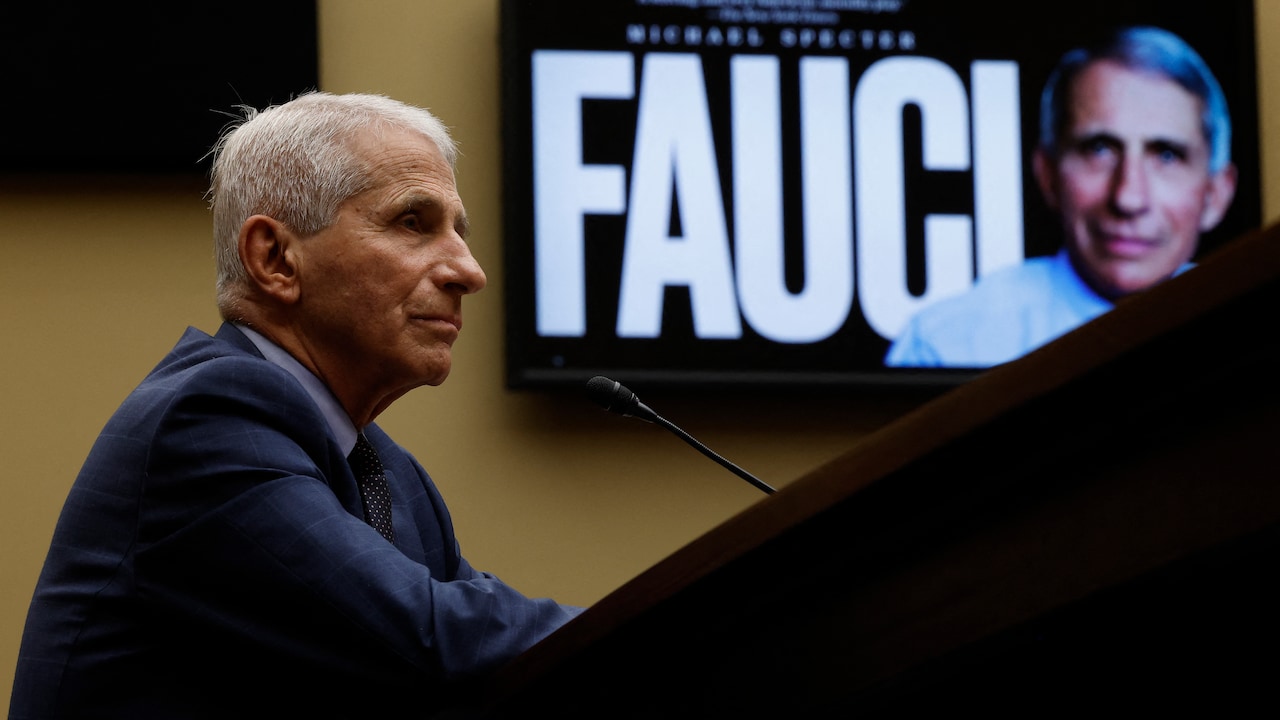
Behind every sprawling government agency lies a network of human beings. Flawed. Pressured. Vulnerable to ambition, fatigue, and the quiet temptation of convenience. When the headlines broke regarding a former senior advisor to Anthony Fauci entering a guilty plea connected to concealment and federal investigations, the reaction from the public was not entirely one of shock. It was a weary nod. It was the confirmation of an unspoken suspicion: that the distance between public proclamations and private actions is often measured in omitted emails and scrubbed correspondence.
Let us be clear about what actually happened, stripped of partisan shouting matches. We are looking at a federal case involving hidden communications, private email accounts allegedly used to bypass transparency laws, and the deliberate evasion of public records requests. (Note: To visualize this, imagine a bureaucrat sitting in a quiet federal office after hours, deleting a message thread with a single keystroke, believing the digital ether would protect them from tomorrow's reckoning.)
Bureaucracy breathes in the dark.
Transparency is supposed to be the oxygen of a free society. When public servants take an oath, they do not just agree to manage programs; they agree to submit their professional lives to the scrutiny of the citizens who pay their salaries. Freedom of Information Act requests are not bureaucratic hurdles to be circumvented with clever wording or private servers. They are the guardrails of democracy. When those guardrails are dismantled from the inside, the architecture of accountability collapses.
Consider the human cost of this erosion. During a time of unprecedented global anxiety, millions of people surrendered their autonomy based on guidance issued by institutions they assumed were incorruptible. Every public health edict carried the weight of life and death. People missed the final breaths of their mothers because a memo said they must. Small business owners watched decades of savings evaporate because an agency classification deemed them non-essential.
When the architects of those very edicts are later found to be playing hide-and-seek with government transparency laws, the psychological toll on the populace is devastating. It breeds a cynicism that metastasizes faster than any virus. It turns neighbor against neighbor, parent against school board, and citizen against state.
We must ask ourselves a hard question. How do we rebuild a system where the watchers refuse to be watched?
The guilty plea in question is not merely a legal footnote about administrative compliance. It is a symptom of a deeper pathology within modern governance. It reveals a culture where protecting the institutional brand supersedes the public right to know. Emails marked personal. Conversations moved to encrypted apps. The quiet erosion of the paper trail. These are not clerical errors. They are choices.
In any complex organization, pressure reveals character. When the spotlight is blinding and the stakes are existential, true leaders lean into accountability. They welcome the audit. They publish the messy drafts, the disagreements, and the flawed debates because they understand that public trust is earned through radical honesty, not managed narratives.
Instead, we witnessed the opposite. We saw the fortification of a fortress mentality.
Think back to the cadence of those pandemic briefings. The polished podiums. The steady stream of certainty in a world spinning out of control. We desperately wanted to believe that someone was at the wheel, steering us toward safety with absolute clarity. We needed heroes. We settled for mortals in expensive suits who preferred the comfort of secrecy over the friction of truth.
The legal fallout for this specific advisor involves charges of hiding communications related to the origins of the pandemic and agency operations. It touches upon a nerve that has throbbed for years: the nagging, persistent fear that official narratives were curated rather than discovered. While the courts will ultimately determine the specific penalties and legal boundaries of this plea, the cultural verdict has already been rendered.
People feel deceived. Not necessarily because every policy was wrong, but because the process was opaque.
Secrecy is addictive. Once you start hiding the mundane details to avoid a headache, hiding the consequential details becomes a reflex. Before long, you are no longer serving the public interest; you are serving self-preservation.
The courtroom drama will fade. The headlines will shift to the next cycle of outrage. But the legacy of this moment will linger in the collective memory of a generation that learned to question every mandate, doubt every expert, and look for the hidden motives behind the institutional curtain.
Restoring faith in public institutions will not happen through press releases or more polished communication strategies. It will require a wholesale cultural reset. It demands sunshine where there was shadows, genuine penalties for obstructing public oversight, and a return to the radical notion that public servants are employees, not monarchs.
Until then, every new directive, every future emergency response, and every official declaration will carry an invisible asterisk.
The silence after a closed door is never empty. It is filled with the quiet, accumulating weight of questions left unanswered.

.jpg)

