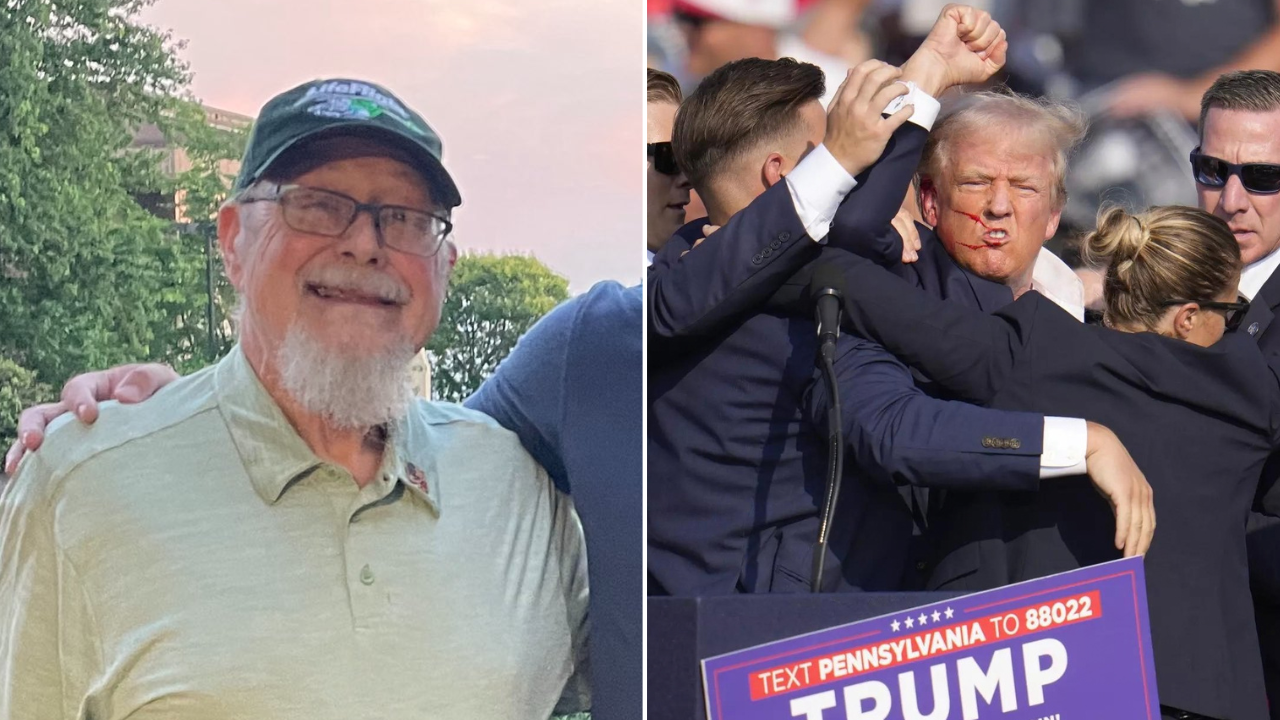
The reverberations of a single afternoon in western Pennsylvania continue to echo years later. James Copenhaver, one of the attendees severely wounded during the July 2024 assassination attempt on Donald Trump in Butler, Pennsylvania, passed away at the age of 76. His death brings a tragic new chapter to an event that permanently altered American political history.
When people look back at that warm summer day at the Butler Farm Show grounds, they usually focus on the iconic images of a defiant candidate raising his fist. But for ordinary spectators like Copenhaver and David Dutch, the day left physical and emotional scars that lasted long after the cameras turned away. Copenhaver recalled standing near the grandstands, watching the Jumbotron, when a sudden jolt ripped through his sleeve. Moments later, a second shot struck him. He survived the immediate trauma, enduring grueling physical recoveries, but the long-term toll of that afternoon remained heavy. Read more on a similar issue: this related article.
The Human Cost Behind the Headlines
Political violence is often sanitized into statistics, security reports, and partisan debates. We analyze secret service protocols, communication failures, and rooftop vulnerabilities. We debate counter-sniper response times and perimeter security. Yet, behind every data point in those congressional hearings are families dealing with permanent disruption.
Copenhaver, a resident of Moon Township, Pennsylvania, was simply attending a political rally on a Saturday evening. Along with Corey Comperatore—a volunteer fire chief who lost his life shielding his family—and David Dutch, Copenhaver became an unintended casualty of a horrific security failure. Following the attack, Copenhaver faced severe mobility hurdles, detailing how daily tasks like walking up and down stairs became immense struggles requiring family assistance. More reporting by The New York Times explores comparable perspectives on this issue.
When public figures and lawmakers paid tribute to him following his passing, calling him an American patriot, it served as a reminder that the true victims of political violence are everyday citizens who leave their homes expecting a normal community gathering and instead step into a nightmare.
Why This Story Still Resonates
The passing of James Copenhaver forces a sober reflection on the state of public safety and political discourse in America. Security lapses at the Butler rally sparked independent reviews, congressional investigations, and sweeping operational overhauls within the U.S. Secret Service, including new airspace divisions and communication upgrades. Yet, policy changes cannot undo the permanent damage inflicted on the victims and their loved ones.
As legal battles and civil suits tied to the shooting slowly wind through the courts, Copenhaver’s absence leaves a void for those who fought alongside him for accountability. History will record July 13, 2024, as a pivotal inflection point in a turbulent election cycle. But for the community in Butler County and the families marked by the tragedy, the date represents a permanent divide between life before and life after political violence pierced the crowd.
Honoring the memory of those injured requires looking past the political theater and acknowledging the human fragility left in the wake of an assassin's bullets. James Copenhaver's endurance through months of physical hardship highlights a quiet resilience that deserves to be remembered just as clearly as the chaos that preceded it.