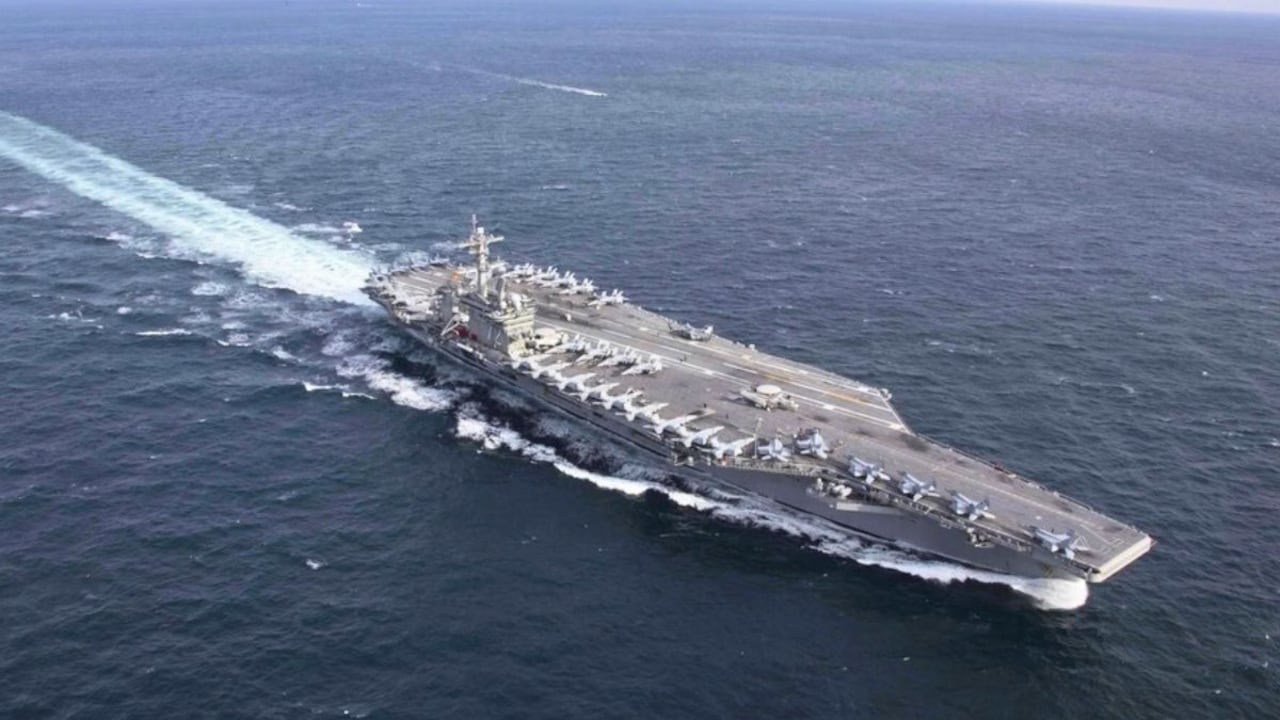
Nearly five thousand tired US sailors and Marines are pulling into Thailand for shore leave, and the local police are scrambling to sanitize the image of Pattaya overnight. If you've been following the massive deployment of the USS Abraham Lincoln after months of grueling operations in the Middle East, you already know the stakes are high. Over two hundred consecutive days at sea will test any crew. When these service members finally step onto dry land at Laem Chabang, they are looking for a break. Instead, they are walking straight into a high-profile vice crackdown.
Local law enforcement agencies didn't wait for the aircraft carrier to dock before showing a heavy hand. Recent sweeps across beachfront zones and popular nightlife arteries resulted in forty to fifty arrests for suspected street solicitation. Officers from the Ministry of Social Development and Human Security hauled in independent workers, targeting everyone from local Thais to foreign nationals lingering near popular tourist spots. Pattaya police chief Anek Srathongyoo admitted publicly that keeping the streets clear is an uphill battle because freelance workers operate constantly out of sight.
The Economic Reality Behind the Port Visit
Let's be honest about why this visit matters so much to the local business community. Pattaya has more than three hundred thousand hotel rooms, and tourism numbers have sputtered under the weight of regional conflicts and shifting global travel trends. Business owners are desperate for cash flow. City officials estimate that each visiting service member will drop between one thousand and three thousand baht every single day they spend on shore.
That projection sounds great on paper, but it masks deep anxiety. Venue operators on legendary strips like Soi 6 have been slapped with strict municipal boundaries. City hall explicitly barred visiting personnel from cannabis dispensaries, drug stores, and certain water sports. Authorities also restricted access to beer bars past specific hours while threatening severe penalties for venues caught crossing legal lines. Everyone wants the American dollars, but nobody wants the international scrutiny that follows unchecked vice.
Navigating Old Legacies and Modern Optics
Pattaya's history with the United States military runs deep. The city basically exploded into a tourism hotspot during the Vietnam War era as servicemen flooded its beaches for R&R. Decades later, the tension between official legality and economic reliance remains completely unresolved. Prostitution is technically illegal under Thai law, yet the nightlife economy thrives on an open secret.
Academic experts like Pipatpong Fakfare from Bangkok University have pointed out the obvious risks. A sudden influx of thousands of stressed, exhausted young men into a notorious red-light destination creates an immediate spike in public health vulnerabilities and exploitation concerns. When the FBI labeled the area a prominent hub for sex tourism years ago, it left a permanent mark on the city's global reputation. Local leaders are terrified of slipping backward.
What Happens When the Fleet Departs
The heavy police patrols and sudden sweep operations are mostly theatrical management designed to appease international observers and national watchdogs. Once the USS Abraham Lincoln finishes its brief window of rest and recovery and steams back toward its home base, the temporary restrictions will lift. The freelancers will return to the beach road, the beer bars will adjust their hours back to normal, and Pattaya will go right back to balancing its messy, lucrative nightlife identity with the rigid demands of state law.
If you are tracking how tourism economies handle sudden military influxes, keep a close eye on local merchant revenues over the coming weeks. The real story isn't just about the temporary arrests made by anxious police departments. It is about a city desperately trying to cash in on global conflict fatigue while pretending its oldest industry doesn't exist.