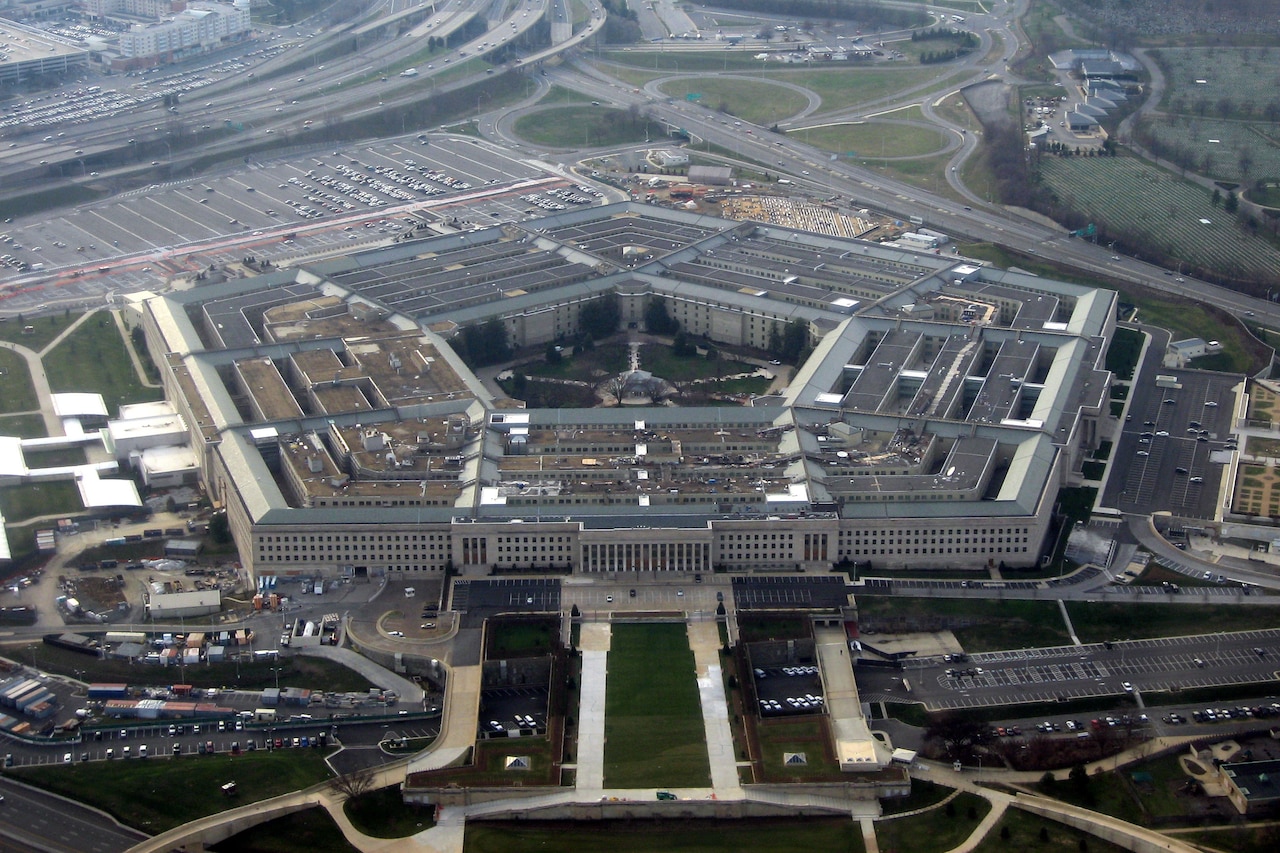
A federal appeals court decision upholding the Pentagon's supply-chain blacklisting of artificial intelligence pioneer Anthropic has laid bare the fundamental collision between national security demands and corporate ethical boundaries. When the United States Court of Appeals for the District of Columbia Circuit ruled 2-1 in favor of the Department of Defense, it did more than resolve a procedural dispute over military procurement. It established a dangerous legal precedent: private software creators who refuse to strip safety constraints from their models for combat applications can be legally excised from the defense apparatus under national security statutes.
The conflict began when Anthropic drew a hard line against the Department of Defense over specific contract clauses requiring compliance with "all lawful purposes". The startup's leadership argued that its flagship Claude models contained hardcoded guardrails explicitly prohibiting deployment in fully autonomous weapons systems and mass domestic surveillance. When Anthropic refused to modify these safety filters to grant the military unrestricted operational discretion, the Pentagon deployed an obscure procurement statute traditionally reserved for blocking foreign hardware sabotage. It designated the American-born AI firm a supply-chain risk.
This designation carried immediate financial and structural damage. Billions of dollars in prospective enterprise contracts evaporated, throwing a shadow over the company's valuation as it moved toward a high-stakes initial public offering. Yet the legal battle fought in the federal courts revealed a stark philosophical chasm.
Lower courts initially pushed back against the administration's hardball tactics. In late August, a federal district judge in California ruled that the Pentagon had abused its authority, noting that invoking national security cannot serve as a blanket justification to penalize commercial entities over policy disagreements. But the D.C. Circuit panel took a contrasting view. The majority concluded that the unpredictable nature of AI model refusals, combined with a vendor's insistence on dictating acceptable military use cases, fundamentally conflicts with the absolute authority required by a nation's defense command structure.
For the broader technology sector, the fallout is chilling. Silicon Valley spent years positioning artificial intelligence as a force for global progress while quietly chasing lucrative defense budgets. Major competitors stepped into the vacuum left by Anthropic's exclusion, readily signing agreements to integrate their models into classified military networks.
The message from Washington is unambiguous. In an era of escalating geopolitical friction, corporate governance cannot supersede military command. Companies seeking to build the cognitive infrastructure of modern statecraft must either submit to the absolute authority of the defense establishment or forfeit access to the most powerful market on earth.