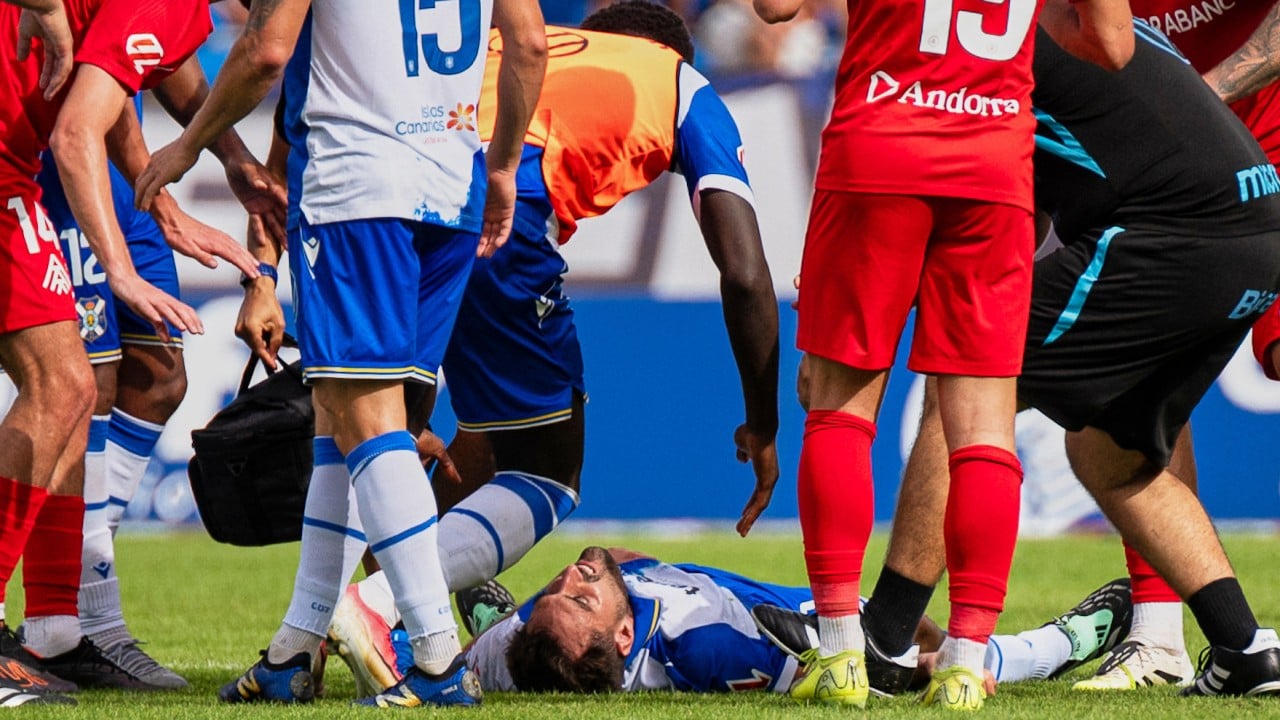
When Andoni Iraola told reporters he might instruct his Bournemouth players to go down easier in the penalty box, the football internet lost its mind. Pundits clutched their pearls. Rival fans called him a disgrace to the spirit of the Premier League.
They missed the point entirely.
Iraola wasn't advocating for cheating, nor was he suddenly abandoning the high-pressing, relentless tactical identity that made his Rayo Vallecano and Bournemouth sides so thrilling to watch. He was pointing out a glaring, structural flaw in how Premier League referees and VAR officials adjudicate contact inside the eighteen-yard box. If you stay on your feet after getting clipped, you get punished for your honesty.
The Context Behind Iraola's Frustration
To understand why Iraola made that comment, you have to look at the specific officiating decisions that pushed him over the edge during his tenure at Bournemouth. Time and again, Bournemouth attackers absorbed clear physical contact in the box, fought to keep their balance to get a shot off, and watched the referee wave play on.
Because they didn't collapse to the turf, the officials assumed the contact wasn't impactful enough to warrant a spot-kick.
Meanwhile, across the division, players who threw themselves to the grass at the slightest brush on the shoulder were winning penalties every weekend. VAR's infamous "high bar" for intervention only made things worse. Once an on-field referee ignores a foul because the striker stayed upright, Stockley Park rarely overturns it. They treat staying on your feet as proof that no foul occurred.
Iraola simply said out loud what every manager in the top flight whispers in the dressing room. When the rules of engagement actively penalize integrity, honesty becomes a tactical liability.
Why Staying on Your Feet Costs Teams Points
Let's look at the actual mechanics of officiating in modern football. Referees have a split second to judge whether contact impedes an attacking player. Visual cues dictate everything.
- The fall signals severity. When a defender clips a striker's ankle and the striker goes down, the referee's brain immediately registers an illegal interruption of play.
- The stumble looks like advantage. When that same striker stumbles, loses half a yard of pace, and fires a weak shot wide while off-balance, the referee views it as a missed opportunity rather than a fouled player.
- VAR protects the on-field call. Under Premier League protocols, VAR looks for a "clear and obvious error." If a player stays upright, the video assistant can easily argue the contact was minimal, leaving the original non-call intact.
I've watched hundreds of Premier League matches where a forward gets his shirt pulled or his heels clipped, fights through it like an old-school center-forward, and gets zero reward. Then, ten minutes later, an opposing winger feels a hand on his back, folds his legs like a deckchair, and wins the match from twelve yards.
You can't blame a manager for snapping. Iraola's job isn't to win fair-play trophies; it's to keep Bournemouth competitive in the wealthiest, most unforgiving league on earth. A single wrong penalty decision can swing millions of pounds in prize money and dictate whether a club survives relegation or pushes for Europe.
The Hypocrisy of Premier League Punditry
The reaction from former players in the media was predictable and deeply hypocritical. Every Saturday night on television, analysts condemn simulation while simultaneously praising "streetwise" forwards for "buying a foul" or "being clever" when they initiate contact and drop.
There is a massive double standard in how English football talks about simulation. When an English international goes down easily, he's praised for using his experience. When a foreign manager like Iraola points out the absurdity of the incentive structure, he gets lectured about sportsmanship.
Iraola didn't invent this problem. He merely held a mirror up to the league.
What Simulation Rules Actually Say
Under the International Football Association Board (IFAB) Laws of the Game, simulation is defined as attempting to deceive the referee by feigning injury or pretending to have been fouled. It carries a mandatory yellow card.
Yet there's a massive gray area between outright diving without contact and exaggerating real contact. Most modern "dives" aren't fabricated out of thin air. A defender leaves a leg out, makes genuine contact, and the attacker dramatizes the fall to ensure the referee notices it.
Referees rarely book players for exaggerating real contact. Instead, they award the foul. Until the PGMOL (Professional Game Match Officials Limited) instructs its officials to award penalties when players are impeded without falling down, exaggeration remains the most rational choice for any attacker.
How Managers Actually Coach Box Behavior
If you think managers spend training sessions teaching players how to swan-dive, you don't understand top-level coaching. Nobody sets up cones to practice simulation.
What coaches do teach is spatial awareness, body positioning, and game management. During video analysis sessions, analysts routinely show forwards clips of missed penalty shouts. The feedback is blunt and practical.
"If you feel the contact on your trailing leg, don't try to stay up and shoot from a bad angle," a coach will tell his striker. "Go down."
It's a cold calculation based on expected goals (xG). A penalty kick carries an xG value of roughly 0.76 to 0.79, meaning it results in a goal nearly four out of five times. An off-balance shot from a tight angle after getting clipped carries an xG of maybe 0.05.
For an analytically minded manager like Iraola, watching his players trade a 78% chance at a goal for a 5% chance out of sheer stubbornness is maddening. His public outburst was as much a message to his own squad as it was to the referees. He wanted his attackers to stop being naive.
The Impact on Bournemouth's Tactical Identity
Bournemouth under Iraola relies on chaotic, vertical transitions. They win the ball high up the pitch and attack space at breakneck speed. Players like Antoine Semenyo, Justin Kluivert, and Evanilson thrive on driving directly at retreating defenders inside the box.
That exact style of play generates high-speed collisions. When defenders are backpedaling in panic, they mistime tackles, grab shirts, and clip heels.
Because Bournemouth's attackers are physically powerful and naturally inclined to power through challenges, they suffer disproportionately from the "stay on your feet" penalty blind spot. A smaller, lighter winger gets knocked over by a breeze and wins a whistle. A powerful forward absorbs the hit, stays upright, loses his momentum, and gets nothing.
By calling this out publicly, Iraola accomplished two things at once. First, he put every Premier League referee on notice before Bournemouth's next fixture. Officials read the press, and subconsciously or not, they scrutinize contact in the box slightly closer the week after a manager highlights a pattern of missed calls. Second, he gave his own players public cover to go down when fouled without feeling like they were betraying their manager's ethos.
Why Referees Need to Change Before Players Will
Blaming players and managers for simulation is like blaming drivers for speeding when there are no speed cameras and everyone else is doing ninety. People respond to incentives.
If the Premier League genuinely wants to eliminate theatrical falling from the game, the solution is straightforward, even if it's hard to execute in real time.
- Award fouls when players stay up. Referees must start blowing the whistle when a defender trips or holds an attacker, even if the attacker keeps his balance and tries to continue playing. If the advantage doesn't materialize within two seconds, bring it back for the penalty.
- Empower VAR to intervene on unpunished contact. Stop hiding behind the "high bar" excuse when a clear trip goes uncalled simply because the victim didn't hit the deck.
- Apply retroactive bans consistently. When a player genuinely fabricates contact out of nothing to win a penalty, hand out automatic two-match suspensions after the weekend's games conclude.
None of these fixes require reinventing the rulebook. They just require officials to stop rewarding theatrics and punishing resilience.
Until that shift happens, don't expect Andoni Iraola—or any other Premier League manager fighting for points—to apologize for telling his players to hit the grass when they get fouled. Watch the next round of Premier League fixtures with this lens in mind. Pay attention to how many times an attacker gets clipped in the box, tries to stay honest, and loses the ball with zero intervention from the whistle, then compare it to the very next penalty awarded in that same match.