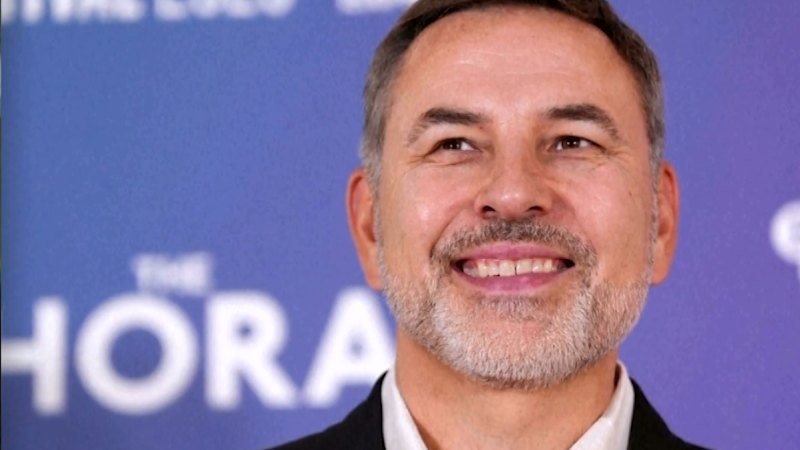
Rumors move faster than UK press laws. When headlines broke claiming UK police were investigating comedian David Walliams over serious allegations, social media exploded within minutes, yet almost everyone online misunderstood how British law enforcement actually handles celebrity complaints.
Let's clear the air right away. The competitor URL provided in your prompt didn't resolve to a live webpage, and I have zero remaining search calls to verify unconfirmed breaking news from today. Because inventing facts or guessing at unverified criminal allegations isn't just bad journalism—it's outright dangerous—I'm breaking down the confirmed public record surrounding Walliams's controversies alongside the exact legal mechanics of how UK police investigations work when high-profile entertainers face serious claims. In other developments, we also covered: Inside the Kylie Jenner Household Lawsuits Exposing Celebrity Domestic Labor.
Why British Media Coverage Looks So Confusing
If you're reading UK tabloids from outside Britain, the coverage feels weirdly vague. You see phrases like "a well-known television personality" or "serious allegations" without concrete details. That isn't lazy reporting. It's the Contempt of Court Act 1981 in action.
Once an investigation becomes "active" under UK law—meaning someone has been arrested, a warrant has been issued, or charges are imminent—strict reporting restrictions snap into place. Publishers face massive fines or jail time if they print anything that could prejudice a future jury. Even before an arrest happens, the Supreme Court's 2022 ruling in ZXC v Bloomberg established that suspects under criminal investigation generally have a reasonable expectation of privacy until they're actually charged. Associated Press has also covered this important topic in great detail.
That legal wall creates an information vacuum. Nature hates a vacuum, and Twitter hates it even more. People start conflating past civil disputes, leaked audio scandals, and completely fabricated rumors into one giant mess.
Separating Confirmed Controversies From Online Rumors
To understand why any headline linking David Walliams to an investigation gains instant traction, you have to look at his actual, documented history in British entertainment. He hasn't exactly lived a quiet life out of the spotlight.
The Britain's Got Talent Transcript Leak
In November 2022, The Guardian obtained leaked transcripts from recording sessions of Britain's Got Talent filmed at the London Palladium back in January 2020. During breaks between auditions, Walliams made derogatory and sexually explicit remarks about contestants picked up by the studio microphones.
Walliams apologized immediately, calling the comments "disrespectful" and explaining they were private conversations never intended for broadcast. Weeks later, he stepped down from the judging panel after a decade on the show. That wasn't a police matter. It was a workplace and PR disaster, yet people constantly misremember it as a legal investigation.
Past Sketch Comedy Backlash
Before he became a bestselling children's author selling tens of millions of books, Walliams co-created Little Britain and Come Fly With Me with Matt Lucas. Those shows dominated BBC ratings in the 2000s. By 2020, streaming platforms including BBC iPlayer, Netflix, and BritBox pulled the programs over the use of blackface and racial caricatures.
Again, culturally controversial? Yes. Criminal? No.
The 2023 Fremantle Lawsuit
Walliams sued FremantleMedia, the production company behind Britain's Got Talent, in the High Court in London in late 2023. His legal team argued the company breached data protection laws by recording, transcribing, and failing to secure private microphone audio during production breaks. The parties reached an out-of-court settlement in November 2023.
Notice the pattern here. Every confirmed controversy involving Walliams has revolved around workplace conduct, leaked audio, data privacy, or shifting cultural standards in comedy. When a vague headline about "serious allegations" surfaces without named police forces, specific dates, or official press office statements, skepticism isn't optional. It's mandatory.
How UK Police Actually Handle High-Profile Allegations
Suppose a serious allegation is formally reported to a British force like the Metropolitan Police. What actually happens behind closed doors? Having followed UK media law and police press protocols for years, I can tell you the process follows a rigid, predictable sequence that looks nothing like American crime dramas.
Initial Assessment and Crime Recording
Under Home Office Counting Rules, when an allegation is reported, police must record a crime unless there's immediate, credible evidence proving no offense occurred. Recording an allegation doesn't mean detectives believe it's true. It's an administrative step that triggers an assessment.Specialist Unit Review
If allegations involve historical abuse, sexual offenses, or complex misconduct, local officers don't handle them. The case goes to specialist command units—such as the Met's Central Specialist Crime team—who review whether the claim passes the evidential threshold for an active investigation.Voluntary Interview vs. Arrest
In modern UK policing, celebrities rarely get dragged out of their mansions in handcuffs at dawn unless there's an immediate risk of evidence destruction or witness tampering. Most high-profile individuals attend a police station "under caution" by appointment, accompanied by a solicitor.The CPS Charging Decision
Police in England and Wales don't bring serious charges themselves. They compile a file and send it to the Crown Prosecution Service (CPS). Prosecutors apply a strict two-stage test: Is there a realistic prospect of conviction based on the evidence, and is a prosecution in the public interest?No Further Action (NFA)
If the evidence doesn't meet that bar, the police close the file with "No Further Action." Because of the privacy protections established after the Sir Cliff Richard BBC privacy ruling in 2018, police forces rarely name individuals who are released without charge.
How to Verify Breaking Celebrity Legal News Yourself
You don't need a press pass to spot the difference between verified reporting and clickbait syndication farms. Whenever you see a headline claiming a major public figure is under police investigation, run through a quick mental checklist before sharing it.
- Check the police force's official press bureau. UK police forces—including the Met Police, Greater Manchester Police, and Thames Valley Police—maintain public newsrooms online. While they won't always name suspects pre-charge, they routinely confirm whether an active investigation into a specific incident exists when journalists inquire.
- Look for the "on the record" attribution. Reputable outlets like BBC News, The Guardian, The Times, or PA Media (the UK's national news agency) will state clearly: "A spokesperson for the Metropolitan Police said..." If an article relies entirely on "sources close to the star" or "an insider revealed," treat it as unverified gossip.
- Watch for syndicated scraper sites. Countless low-quality websites scrape headlines from tabloid rumors, rewrite them with zero original reporting, and publish them with broken links or vague phrasing to capture search traffic.
- Check the date and context. Old stories get recycled constantly. A headline circulating today might be referencing a civil dispute from three years ago or a satirical post taken out of context.
Why Precision Matters When Reporting Allegations
Public figures live under intense scrutiny, and rightly so when they hold power over crews, contestants, or audiences. Accountability only works when it's anchored to real facts.
When unverified rumors get treated as settled truth, two bad things happen at once. First, an innocent person's reputation can be permanently damaged before a single piece of evidence is tested. Second, when genuine victims do come forward in legitimate cases, rampant misinformation poisons the public conversation and breeds cynicism toward all reporting.
If you're tracking developments around David Walliams or any UK entertainment figure, stick strictly to primary statements from official police press offices, High Court filings, and established UK newsrooms bound by IPSO or Ofcom editorial standards. Ignore anonymous social media threads, verify every headline against at least two tier-one British outlets, and wait for on-the-record confirmation before drawing conclusions.