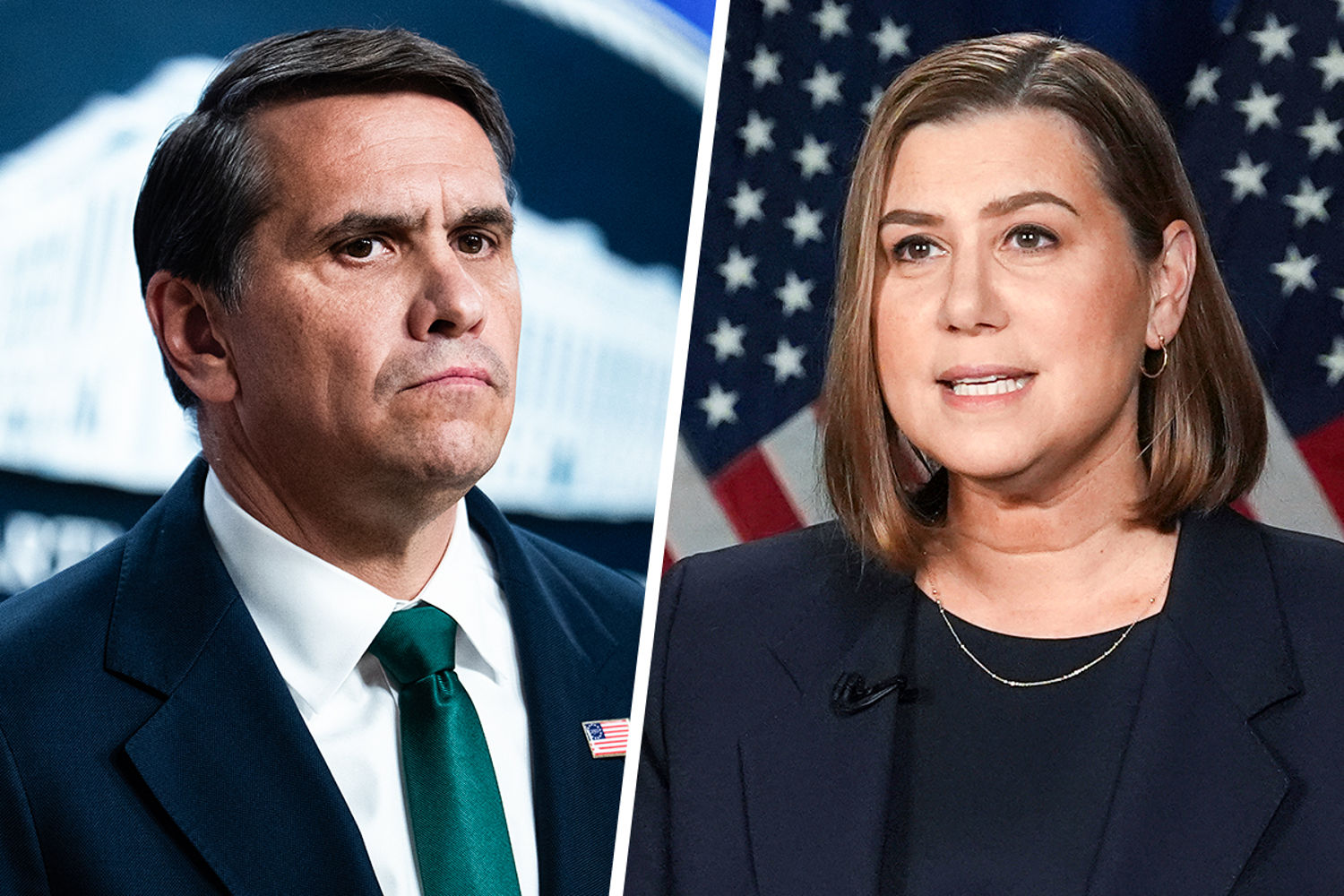
When Republican Representative Thomas Massie introduced eight articles of impeachment against Defense Secretary Pete Hegseth in November 2026, most political observers treated it like standard Capitol Hill theater. They missed the real story. This isn't just a partisan food fight between Democrats and the Pentagon. It's an intra-party rebellion over constitutional war powers, military leadership, and the human cost of an unpopular conflict in the Middle East.
Pete Hegseth has spent the last few weeks aggressively pushing back against these removal efforts, framing the impeachment push as "sabotage" against American troops while defending the administration's military campaign against Iran. House Republicans managed to block the initial resolution, yet the pressure on the Pentagon chief keeps mounting. With incoming congressional majorities preparing to revisit the charges and former top aides breaking ranks to demand his resignation, understanding the exact legal and strategic arguments at play matters more than ever.
The Core Arguments Behind the Impeachment Resolution
Most casual news consumers assume impeachment efforts hinge on a single scandal. That isn't the case here. According to reporting by CBS News on the resolution filed by Representative Massie of Kentucky, the eight articles lay out a broad constitutional and operational indictment of Hegseth's tenure at the Department of Defense.
The central charge focuses directly on how the war with Iran began and how it's being fought. Article I accuses Hegseth of executing orders to start military hostilities against a sovereign nation without congressional authorization, which critics argue violates the War Powers Resolution and Article I of the Constitution. Administration lawyers previously contended that earlier hostilities had concluded, making congressional sign-off unnecessary. Critics reject that interpretation, pointing out that Hegseth directed American forces to keep fighting to achieve expanded military objectives never approved by lawmakers.
Beyond the legal trigger for the war itself, the resolution targets specific operational decisions:
- Civilian casualty protocols: The articles allege Hegseth ignored legal obligations designed to minimize civilian deaths, specifically referencing a strike on an elementary school in Iran.
- Maritime strikes: Massie's resolution challenges the Pentagon's lethal strikes against suspected drug-smuggling boats in the Caribbean and eastern Pacific Ocean, which killed at least 243 people starting in September 2025. Critics characterize these operations as extrajudicial killings that could encourage foreign adversaries to mistreat captured American service members.
- Retaliation against lawmakers: Another article accuses Hegseth of weaponizing the Pentagon against legislative oversight after he attempted to punish Senator Mark Kelly, a move a federal judge subsequently blocked.
- Operational security and intelligence: The filing cites leaked messages from a Signal group chat originally published by The Atlantic, arguing top officials knew Houthi forces didn't pose an imminent threat requiring immediate strikes, while also scrutinizing military operations in Venezuela.
How Pete Hegseth Defends His Record and the Iran Campaign
Hegseth hasn't retreated from the spotlight. Instead, he's leaned into a combative public defense, portraying himself as a shield between American warfighters and Washington politicians.
During a Pentagon press briefing—his first in six months—Hegseth dismissed the impeachment articles as "a political spectacle, a personal manifesto driven by ego and resentment". His core legal argument rests on the constitutional threshold for removal. Hegseth maintains that Massie and congressional Democrats are attempting to criminalize standard executive branch strategy. As he told reporters at the Pentagon podium, disputes over military strategy represent "policy disagreements, not high crimes, not misdemeanors, not treason, not bribery, not the kinds of offenses the founders intended when they wrote the impeachment clause".
In his view, voters and lawmakers have clear constitutional remedies if they dislike how a war is conducted—specifically legislation, public debate, and national elections. He's also tied his personal defense directly to troop morale. Speaking around Veterans Day, Hegseth argued that labeling these military operations as impeachable offenses tells service members their sacrifices were criminal. "If they want to come for the warriors, they're going to have to come through me," he stated, framing congressional oversight as real-time interference that puts targets on the backs of deployed personnel.
President Donald Trump has publicly backed his defense secretary throughout the controversy. Following Hegseth's press conference, Trump praised his defense on social media and attacked Massie. Pentagon spokespeople have echoed this stance, arguing that Hegseth has cut bureaucracy, prioritized innovation, and established extensive air defense umbrellas across the Middle East to protect American bases.
Internal Dissent and the Shuaiba Port Controversy
Here's where the story gets complicated for the Pentagon. If the criticism only came from opposition Democrats or a single libertarian-leaning Republican in the House, Hegseth could easily weather the storm. Instead, serious pushback is emerging from inside the military establishment and his own former inner circle.
In late November 2026, Hegseth's former chief of staff, Joe Kasper, broke his silence in an interview with Politico and called on his former boss to resign. Kasper, who helped run the secretary's office during the opening months of the administration, didn't mince words. He described the management of the Iran conflict as a "shitshow" and warned that Hegseth had "napalmed" his relationships on Capitol Hill. Kasper also raised alarms about the hollowing out of senior Pentagon leadership, pointing to high-profile resignations and dismissals—including the departure of Army Secretary Dan Driscoll and plans to cut 20 percent of top military brass—that left key branches struggling for stability.
At the same time, whistleblowers have raised troubling questions about force protection during the Iran war. According to reporting by CBS News's 60 Minutes and The Atlantic, Major Stephen Ramsbottom survived a deadly Iranian drone strike on a U.S. base at Shuaiba port in Kuwait that killed six American service members and wounded 30 others. Ramsbottom filed a whistleblower complaint with Congress alleging that military leadership ignored repeated warnings that the makeshift tactical operations center lacked aerial defenses.
Pentagon spokesperson Sean Parnell rejected claims that the military was unprepared, calling the accusations "disgusting" and insisting the U.S. maintains unmatched defensive capabilities. President Trump also criticized the 60 Minutes report, noting the strike was one of very few successful Iranian drone attacks. Still, reports that Hegseth initially dismissed the incident as "a squirter" and downplayed casualty numbers have fueled bipartisan scrutiny on the Senate and House Armed Services Committees.
Why This Matters for Congressional War Powers
Step back from the daily cable news cycle and look at the broader constitutional stakes. Regardless of how you feel about Pete Hegseth personally, this standoff tests a fundamental question in American governance—who actually decides when the United States goes to war, and how much latitude does the executive branch have once shooting starts?
For decades, presidents from both parties have stretched the 1973 War Powers Resolution to its limits. They've launched airstrikes, deployed special operators, and conducted naval blockades while arguing these actions fall short of full-scale "hostilities" requiring a formal declaration of war from Congress. What makes the 2026 Iran conflict different is the scale of the fallout. With at least 21 U.S. service members killed, thousands of reported casualties in the region, and rising domestic fuel prices that President Trump himself acknowledged hurt Republicans in the November midterm elections, lawmakers are facing intense voter pressure to reassert legislative control.
The Political Math Heading Into the Next Congress
Even though House Republicans blocked Massie's initial impeachment push, the calendar isn't working in Hegseth's favor. Democrats won sweeping majorities in the midterm elections and are scheduled to take control of the House in January 2027. Several Democratic lawmakers have already signaled they intend to revive impeachment proceedings or launch aggressive oversight investigations into the Iran war, the Shuaiba port attack, and the Pentagon's personnel purges.
Impeaching a Cabinet secretary requires only a simple majority in the House, though removing him requires a two-thirds vote in the Senate. Even if Senate conviction remains unlikely, a formal House impeachment trial would force sworn testimony from dismissed generals, whistleblower officers, and Defense Department officials. That prospect explains why some Republican strategists told outlets like CNN and El País that Hegseth faces an uphill battle to remain effective.
How to Track What Happens Next
If you want to cut through partisan spin and follow how this constitutional clash actually unfolds over the coming months, pay attention to three specific developments rather than daily press conference soundbites:
- Read the primary filings directly. Don't rely on social media summaries of what impeachment articles say. Look up the text of H.Res. filings on Congress.gov to see the exact statutory citations—specifically references to the War Powers Resolution of 1973 and the Uniform Code of Military Justice—so you can separate legal allegations from political rhetoric.
- Watch the Armed Services Committee hearing schedules. Formal impeachment votes get the headlines, but real accountability happens in committee. Track upcoming testimony from Major Stephen Ramsbottom and senior Central Command officials regarding base fortification standards in Kuwait and the broader Middle East.
- Monitor defense appropriations bills. Congress holds its sharpest leverage over the Pentagon through the power of the purse. Watch whether incoming House leaders attach funding restrictions to upcoming defense spending bills that explicitly prohibit unauthorized military operations in Iran.