You don't need a ticket to a specialty art-house theater to see NAZA much longer, even if local showtimes in your city are already drying up.
The Guardian's acclaimed Gaza documentary is scheduled to land for free on theguardian.com in early December 2026, turning a massive theatrical run into a global online watch event. That shift matters. Cinema audiences across 47 countries—more than 1.5 million moviegoers so far—have been packing screenings since its autumn rollout, yet plenty of people still assume it's locked behind a paywall or restricted to select festival circuits.
Honestly, the confusion around where and how to watch NAZA comes down to timing and geography. Theatrical distribution rolled out unevenly country by country, leaving some viewers hunting for streaming platforms that don't carry it while missing the free web release right around the corner.
How to Watch NAZA Right Now and When It Streams Free
Right now, your options depend on whether you want the big-screen room or prefer waiting for the free online drop.
First, check local independent cinemas and participating international theaters if you want to watch before the web stream goes live. The film has played across dozens of countries, including the UK, the US, and parts of continental Europe, drawing huge crowds—even topping the box office in Italy ahead of Avengers Endgame: Encore and pulling more than 83,000 admissions in Germany alone. Theater availability shifts weekly as runs wind down, so theater listings are your best bet for immediate viewing.
Second, bookmark theguardian.com and sign up for The Guardian's documentary email alerts if you want to watch at home for free. The publication plans to release the full documentary on its website for free in early December (with some outlets noting late November into early December timing).
Common Viewing Mistakes That Trip People Up
People make a few predictable mistakes when trying to track down the film:
- Hunting on subscription streamers: NAZA isn't a Netflix or Prime Video catalog title. Waiting for an algorithm to surface it on a major paid streamer will leave you empty-handed.
- Assuming every country gets the same theatrical window: Theatrical rollouts vary widely by distributor, and some territories have limited independent bookings.
- Expecting a standard screening in Israel: Despite being offered to distributors and cinemas there, the film has not been screened in Israel.
What Makes NAZA Such a Flashpoint
Directed by Yuval Abraham and Rachel Szor, NAZA isn't a conventional battlefront dispatch. It centers on testimonies from 24 Israeli military intelligence officers and soldiers who took part in surveillance and remote strikes during the Gaza war.
The title itself comes from an Israeli military acronym used euphemistically for civilians expected to be killed in a strike. That bureaucratic shorthand sits right at the heart of what the film examines: how automated target-identification systems and night-time home strikes operated, and how soldiers and analysts rationalized operations that killed families alongside suspected operatives.
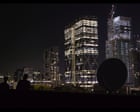
To protect the people speaking on camera, the filmmakers filmed interviews at night on Tel Aviv rooftops and altered participants' voices and appearances. Behind those 24 on-camera voices, the filmmaking team says they spoke with more than 100 sources familiar with the military systems used in the war.
Backlash, Counterclaims, and Why It Hit a Nerve
You can't separate how people watch NAZA from the storm around it. Prime Minister Benjamin Netanyahu ordered efforts to identify and prosecute interviewees and threatened to revoke the directors' citizenship, while Abraham and Szor have since left Israel amid fierce hostility and threats. Officials and defenders of the military have pushed back on the portrayal, arguing that officers—not AI tools alone—signed off on strike decisions and civilian casualty risks, and the state has also backed a counter-film mimicking NAZA.
At the same time, critics and public figures have pointed to the sheer weight of the testimony—including filmmaker Jonathan Glazer and historian Omer Bartov weighing in on its impact—and reviewers have noted audiences sitting in heavy silence as the credits roll. Because the debate over Gaza is so polarized, especially in places like Germany where cultural fault lines run deep, watching the film often sparks arguments before the lights even come up.
Why This Documentary Is Reshaping Nonfiction Distribution
Watching a major investigative documentary move from packed international theaters to a free newspaper website in a matter of weeks says a lot about where non-fiction film is headed.
Traditional documentaries often get stuck in a tough bind. A short festival run builds buzz, then months of licensing limbo kills momentum before regular viewers ever see the film. By pairing theatrical screenings with a direct, free web release on The Guardian's NAZA hub, the rollout bypasses paywalls for urgent public-interest reporting while still letting audiences gather in dark rooms.
There's a trade-off, of course. Cinema screenings create a shared, undistracted space—kinda hard to replicate on a laptop between checking messages—yet free web access removes cost and geographic barriers for millions of curious viewers. Both formats matter if the goal is getting hard-hitting reporting seen widely rather than hoarded by niche subscribers.
Practical Steps Before You Hit Play
If you plan to watch NAZA when it drops online, do three quick things now so you don't miss it or go in cold:
- Subscribe to The Guardian's documentary updates on theguardian.com/film/naza so you get notified the moment the free stream goes live in early December.
- Watch the official trailer first to gauge the pacing, audio distortion, and visual style before setting aside time for the full cut.
- Read follow-up reporting alongside it, including responses from officials and independent coverage of the military's targeting and review procedures, so you're weighing claims and counterclaims with full context rather than taking a single edit at face value.