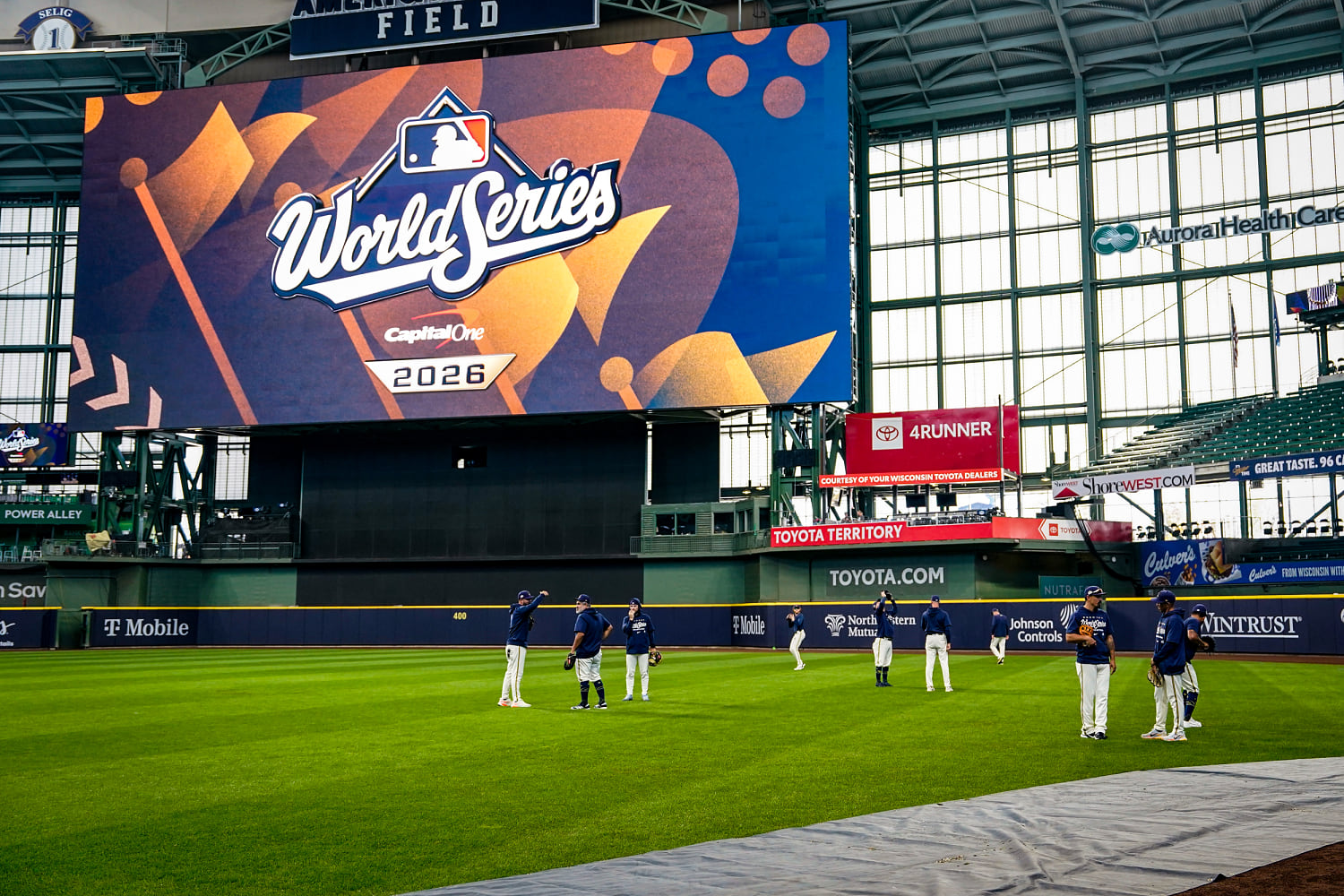
The 2026 World Series just wrapped up with the Milwaukee Brewers claiming their first championship over the Tampa Bay Rays, yet the real drama in baseball has barely begun. With the current collective bargaining agreement set to expire at 11:59 p.m. ET on December 1, 2026, a lockout or strike is no longer a distant rumor. It's the defining storyline hanging over the sport.
Most casual fans hear "lockout" or "strike" and assume the two words mean the same thing. They don't. A strike happens when players walk off the job to pressure owners. A lockout happens when owners shut the gates, freeze transactions, and bar players from team facilities to force a deal. Given how hard Commissioner Rob Manfred and ownership are pushing for a salary cap, a lockout starting right after December 1 looks far more probable than a strike.
Honestly, this fight has been brewing for years. Even as the 2026 postseason gave fans memorable baseball, front offices, agents, and union leaders were already sizing up a labor collision that could reshape player pay, free agency, and the 2027 schedule.
Why Baseball's Looming Lockout Is Really About the Salary Cap
At the heart of the standoff sits one massive sticking point: a salary cap and floor. Major League Baseball has pushed a framework that would introduce a hard payroll ceiling of $258.2 million and a floor of $180.2 million starting with the 2028 season, while keeping other elements of its proposal in play for 2027. Look at the gap in 2026 payrolls—with the Los Angeles Dodgers spending $415.2 million and the Cleveland Guardians sitting down at $74.2 million—and you can see why owners point to payroll disparities as a selling point.
Manfred has made it plain that owners are united behind a cap-and-floor system, saying he can't imagine clubs ratifying an agreement without one. From the league's perspective, tying a floor to a cap is a compromise meant to lift lower-spending clubs while creating tighter cost certainty at the top.
Players see it completely differently. Interim MLB Players Association executive director Bruce Meyer has flatly rejected the cap idea, arguing that it suppresses player compensation across the board and chips away at guaranteed earning power. Worse yet, the union argues that owners have made a cap a precondition for real economic movement rather than negotiating across the broader system.
Here's a twist that makes the timing even spicier: the 2026 World Series featured the Brewers—with the 19th-ranked payroll—beating the Rays at 25th. Players can look at that matchup and argue they don't need a salary cap to prove competitive balance exists. Owners counter that fan frustration over uneven spending demands structural change anyway. Both sides have cherry-picked evidence that fits their narrative.
What Happens When the CBA Expires on December 1
If no deal is reached before midnight Eastern on December 1, baseball doesn't automatically become a free-for-all. Under federal labor law, employers generally can't unilaterally change wages, hours, or working conditions upon expiration unless they bargain to a genuine impasse—and reaching legal impasse is a notoriously high bar. As analyzed in Fisher Phillips' guide to baseball's looming lockout, owners have the legal right to lock players out to apply economic pressure, provided they aren't trying to undermine the union itself.
During a lockout, league operations freeze in ways fans notice right away:
- Transactions stop cold: Teams can't sign free agents, execute trades, or conduct official baseball business with players on 40-man rosters.
- Facilities close to players: Locked-out big leaguers can't use team training complexes or work with club staff, meaning injured players have to handle rehab on their own.
- Communication gets restricted: League memos spell out strict boundaries so club personnel don't cross legal lines by negotiating directly with players around the union.
- Winter options stay open: Locked-out players are generally free to play in winter leagues or overseas if they choose.
That's why the weeks leading up to December 1 often turn into a frantic sprint. Back in late 2021, teams rushed to commit over $1.9 billion in free-agent money—including a massive surge on December 1—before the gates slammed shut. Still, high-profile trades can be tricky right before a deadline if a prospective stoppage clouds a player's 2027 control window.
Common Misconceptions About Labor Stoppages in Baseball
Fans love confident predictions during labor battles, and most of them miss how the leverage actually works. Let's clear up a few myths before they spread.
Can Congress Step In and End a Lockout?
No. Lawmakers don't have the authority to order MLB owners and the MLBPA to sign a contract. While politicians can hold hearings or threaten to scrutinize baseball's historic antitrust exemption, that doesn't force a handshake at the bargaining table.
Does Baseball's Antitrust Exemption Block Every Legal Move?
Not as neatly as people assume. While baseball's longstanding antitrust exemption still gets plenty of headlines, the 1998 Curt Flood Act brought major league players' employment under federal antitrust law. That doesn't mean decertification or antitrust litigation is imminent, but it's a real legal lever in the background if talks ever break down completely.
Will a Lockout Automatically Cancel the 2027 Season?
Not right away. A lockout starting in December doesn't instantly wipe out Opening Day, which is scheduled for March 24, 2027. Historically, spring training gets delayed first, followed by regular-season games only if talks drag deep into spring.
That said, there's a big financial threshold to watch. Reports indicate MLB's national television contracts include extension triggers if a work stoppage wipes out at least 60 games per team in 2027—a scenario that would delay the league's broader media reset plans by a year. That gives ownership a concrete financial reason to avoid letting a stoppage drag past late spring, even while holding firm on its core demands.
What Fans and Players Should Watch Next
You don't need to be a labor lawyer to track where this is heading over the next few weeks. Keep an eye on four practical signals:
- Pre-December 1 contract flurries: Watch how aggressively big-market and mid-market clubs move ahead of the expiration deadline. A sudden wave of multi-year deals usually signals that teams and agents expect the doors to close soon.
- Any shift on the cap-and-floor language: Pay attention to whether either side softens its public ultimatum. Public posturing is normal in November, but genuine movement requires bridging a philosophical divide that has held firm for decades.
- Spring training calendar milestones: Once February arrives without a deal, watch for announcements pushing back camp dates—the first tangible sign that 2027 baseball is starting to feel the squeeze.
- Media and local rights updates: Keep tabs on how broadcast and streaming considerations factor into owners' urgency as spring approaches, especially around that 60-game mark.
If you're planning trips for spring training, booking early-season ballpark tickets, or drafting early 2027 fantasy baseball rosters, build flexibility into your plans right now. Lock refundable travel options where possible, hold off on locking in rigid calendar commitments until the CBA picture clears, and follow verified labor updates closely through December and into early spring.