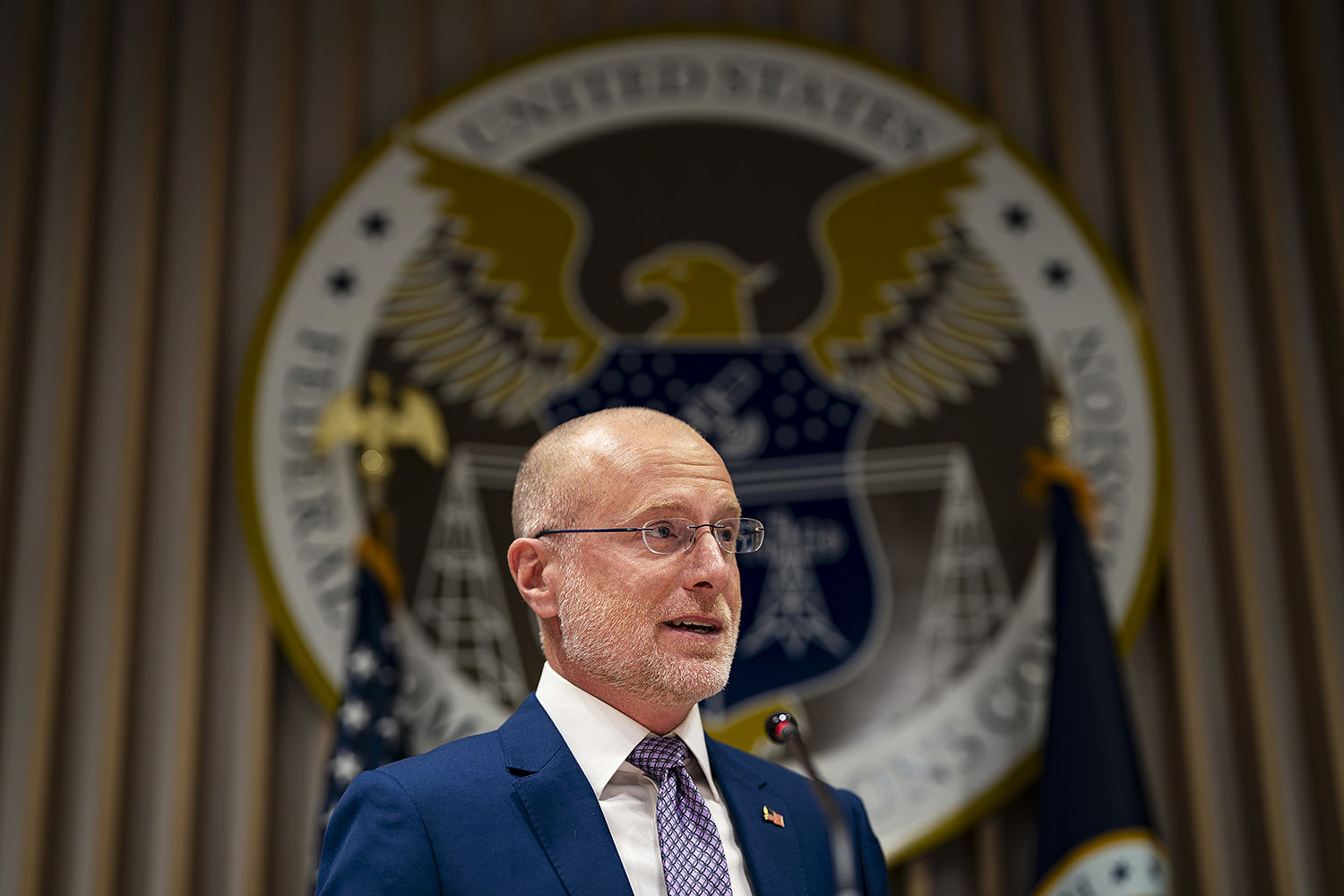
Defense Secretary Pete Hegseth didn't pull any punches at Marine Corps Base Quantico. Standing before service members in Virginia, he confirmed a brutal administrative overhaul that shocked Washington and the entire defense establishment. The Pentagon is cutting twenty percent of its top generals and admirals. That is not a minor adjustment. It is a seismic shift in how the United States military manages its highest echelons of leadership.
Hegseth didn't stop at structural math. He leaned into a populist, combative style that instantly ignited fierce national debate. Railing against what he labeled institutional bloat and ideological drift, he made his message crystal clear. The era of the so-called woke department is over. Recently making headlines in related news: Pretrial Release Dynamics and Risk Calibration in Federal Security Cases.
Inside the Quantico Address and the Numbers
When Hegseth stepped up to the microphone for his high-profile "State of the Force" address, everyone knew changes were coming. Still, the sheer scale of the purge caught military analysts off guard. Hegseth announced that twenty percent of the nation's generals and admirals are on the chopping block. On top of that figure, he directed an additional ten percent reduction in overall general officer slots.
That heavy top structure grew exponentially during decades of counterinsurgency campaigns in the Middle East. Armies built for protracted nation-building naturally accumulated layers of bureaucracy. Bureaucracy breeds stagnation. Decades after major combat operations shifted, the organizational charts remained bloated with brass. More details into this topic are covered by TIME.
Critics immediately blasted the move as a dangerous political weapon. Lawmakers like Arizona Senator Mark Kelly pointed out that these senior commanders possess decades of combat experience and hard-earned expertise. Losing them all at once creates an institutional vacuum.
Hegseth sees it differently. He rejects the label of a purge. Instead, he frames the cuts as long-overdue accountability. In his view, the top brass had grown too heavy, too administrative, and too detached from actual warfighting readiness. By stripping away layers of bureaucracy, the administration aims to flatten the command structure and speed up decision-making.
The Cultural Pivot and the Catchphrases
You cannot talk about Hegseth's address without looking at the exact words that sent shockwaves through the media cycle. He laid out the new standard for personnel with brutal simplicity. No fatties, no trannies, no beardos, no weirdos, no wimps, no radicals. Just warriors.
That language was calculated. It speaks directly to a base that feels the military lost its edge during years of social engineering and diversity mandates. Shaving regulations and grooming standards are back at the forefront. Hegseth made it plain that superficial individual expression and beards are out, unless you happen to belong to specialized units where operational realities demand flexibility.
Veterans and active-duty personnel have mixed feelings about this shift. Some soldiers argue that focusing on basic soldiering fundamentals restores necessary discipline. Others feel alienated. For instance, service members from diverse cultural or religious backgrounds who utilize beard waivers feel unfairly caricatured by broad brushstrokes from leadership. When a defense secretary mocks appearance standards in public speeches, it ripples down through every base and barracks in the country.
The defense chief argued that professional appearance directly correlates with combat effectiveness. If a soldier cannot meet basic physical standards or adhere to strict grooming codes, the military is not a social welfare program. That uncompromising stance resonates deeply with traditionalists who believe decades of civilian oversight softened the armed forces.
Bringing Silicon Valley into the Pentagon
Beyond the personnel cuts, Hegseth rolled out another major surprise. Elon Musk, Palmer Luckey, and Newt Gingrich are stepping back into the federal spotlight to co-lead a new technology-focused warfare taskforce. This initiative is designed to study the future of conflict, integrate rapid technological innovation, and bypass traditional bureaucratic procurement processes.
Musk's re-engagement with the administration signals a renewed push to disrupt legacy defense contractors. Traditional defense acquisition moves at a glacial pace. Bureaucracy kills innovation. If this new taskforce actually manages to cut through red tape, it could reshape how the United States procures drones, software, and artificial intelligence tools.
Palmer Luckey brings the entrepreneurial grit of defense tech startups like Anduril Industries to the table. For years, Silicon Valley innovators struggled to break through the impenetrable fortress of Pentagon procurement. Software companies build products in months, while military acquisition programs take decades. Marrying tech disruptors with military strategy is an ambitious bet to outpace peer competitors in modern electronic and autonomous warfare.
At the same time, pairing high-profile tech entrepreneurs with a streamlined military command creates friction. Silicon Valley moves fast and breaks things. The military moves deliberately because mistakes cost lives. Bridging that cultural divide will test everyone involved.
Evaluating the Risks and Realities
Every major organizational restructuring carries heavy risks. When you remove twenty percent of your top leadership, you create a leadership deficit at the exact moment global tensions run high. Adversaries like China, Russia, and Iran aren't slowing down their military modernization programs while Washington reorganizes its charts.
Junior officers and mid-grade commanders now face immense pressure. They will have to absorb extra responsibilities left behind by departing admirals and generals. If the transition isn't managed carefully, institutional knowledge built over decades evaporates overnight.
Supporters argue that pain is necessary to fix a broken system. They claim the senior officer corps became bloated with careerists focused on PowerPoint presentations and political compliance rather than kinetic lethality. Whether this gamble pays off depends entirely on who fills the remaining slots. If the new leadership cohort consists of agile, tactical thinkers who embrace modern warfare technology, the military emerges stronger. If the selection process devolves into partisan loyalty tests, combat effectiveness will suffer.
The Real Test for the New Military Leadership
The dust from the Quantico speech is still settling, but the trajectory is set. Generals and admirals are packing their bags. Tech leaders are setting up shop inside defense corridors. The cultural pendulum inside the Pentagon has swung violently away from social experiments and back toward traditional warrior ethos.
If you're watching the American defense apparatus right now, don't look at the press releases. Watch the retention rates, watch how procurement contracts are awarded, and watch how mid-level commanders adapt to a leaner command chain. The military is undergoing its most radical transformation in decades, and there is no safety net if the experiment fails.