International diplomacy has long relied on the art of the theatrical declaration, but few announcements have detached themselves from physical reality quite as quickly as the purported energy ceasefire between Russia and Ukraine. When Washington proclaimed that an immediate moratorium on targeting power grids and fuel installations had been locked down by mutual consent, the black smoke rising over Kharkiv offered a brutal, immediate rebuttal. This was not a failure of communication. It was a structural collision between political performance and industrial warfare.
To understand why this friction-filled announcement materialized, one must look past the diplomatic dispatches and examine the domestic economic pressures driving American policy. Months of persistent inflation, exacerbated by global fuel market volatility, created an acute political vulnerability. For an administration hypersensitive to fuel prices, Ukrainian long-range drone strikes hitting Russian oil refineries were viewed not as a legitimate asymmetric defense strategy, but as a direct threat to domestic pump prices. The subsequent push for a moratorium on energy sector attacks was less a comprehensive peace blueprint and more an urgent bid to stabilize fuel flows, punctuated by controversial parallel moves to secure alternative diesel supplies. Learn more on a connected topic: this related article.
Yet, treating energy infrastructure as a separable diplomatic chessboard is a fundamental miscalculation of modern total war. For Moscow, the systematic destruction of Ukrainian power generation, sub-stations, and heating plants is the core mechanism of its attrition strategy. It is designed to break civilian morale, freeze urban centers during winter, and force a societal collapse. Expecting the Kremlin to halt a campaign that yields strategic leverage simply because a statement was posted online misunderstands the calculus of the Russian high command.
Kyiv, for its part, found itself caught in a diplomatic ambush. Ukrainian leadership learned of the supposed truce through public channels rather than classified backchannels, leaving them facing a lose-lose dilemma. To reject the ceasefire outright risks alienating critical Western patrons, while compliance leaves them vulnerable to ongoing bombardment. Ukrainian President Volodymyr Zelenskyy’s conditional acceptance—stating that Kyiv would hold its fire only if Moscow did the same—exposed the core flaw of unilateral declarations. A ceasefire requires bilateral enforcement, not merely unilateral decree. Further reporting by The Guardian delves into similar perspectives on this issue.
As Russian glide bombs and missile barrages continued to batter regional power grids hours after the ink on the announcement was figuratively dry, the limits of transactional diplomacy became glaringly apparent. The administration defended its stance by pointing to prior cross-border exchanges, attempting to equate defensive counter-value strikes against economic targets with an ongoing offensive campaign aimed at civil annihilation. This moral and operational equivalence serves neither peace nor stability.
When policy is built on the premise that complex geopolitical conflicts can be halted by administrative fiat, the resulting vacuum is filled by escalation. The frontline reality remains governed by steel, sensors, and combustion, untouched by the rhetoric of Washington briefing rooms.
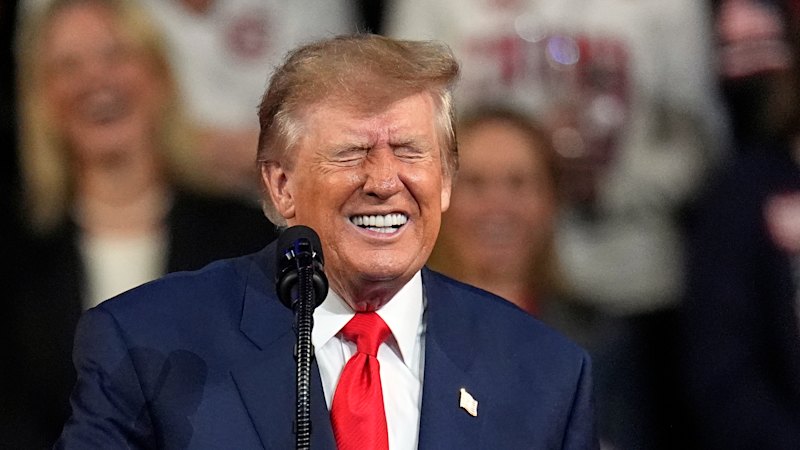
Trump announces Russia-Ukraine energy ceasefire, Russia later strikes Ukraine
This video provides primary news coverage and official White House briefings regarding the contested energy ceasefire announcement and the subsequent military strikes in Ukraine.