Salt air tastes sharper when you are waiting for something that hasn't happened yet.
Out on the Persian Gulf, a supertanker does not stop on a dime. Even when the bridge orders full astern, hundreds of thousands of tons of steel and crude carry their own stubborn momentum for miles, carving a slow, heavy arc through warm water. Down in the engine room, the hum of machinery vibrates through the soles of your boots—a low, continuous chord that mariners feel in their teeth long after they come ashore. When a rumor sweeps across the VHF radio that mines have been spotted near the Strait of Hormuz, or that a sudden strike hit a vessel just over the horizon, nobody needs a textbook to understand what happens next. Fear travels faster than hulls. Insurance premiums spike before the smoke even clears, if there is any smoke at all.
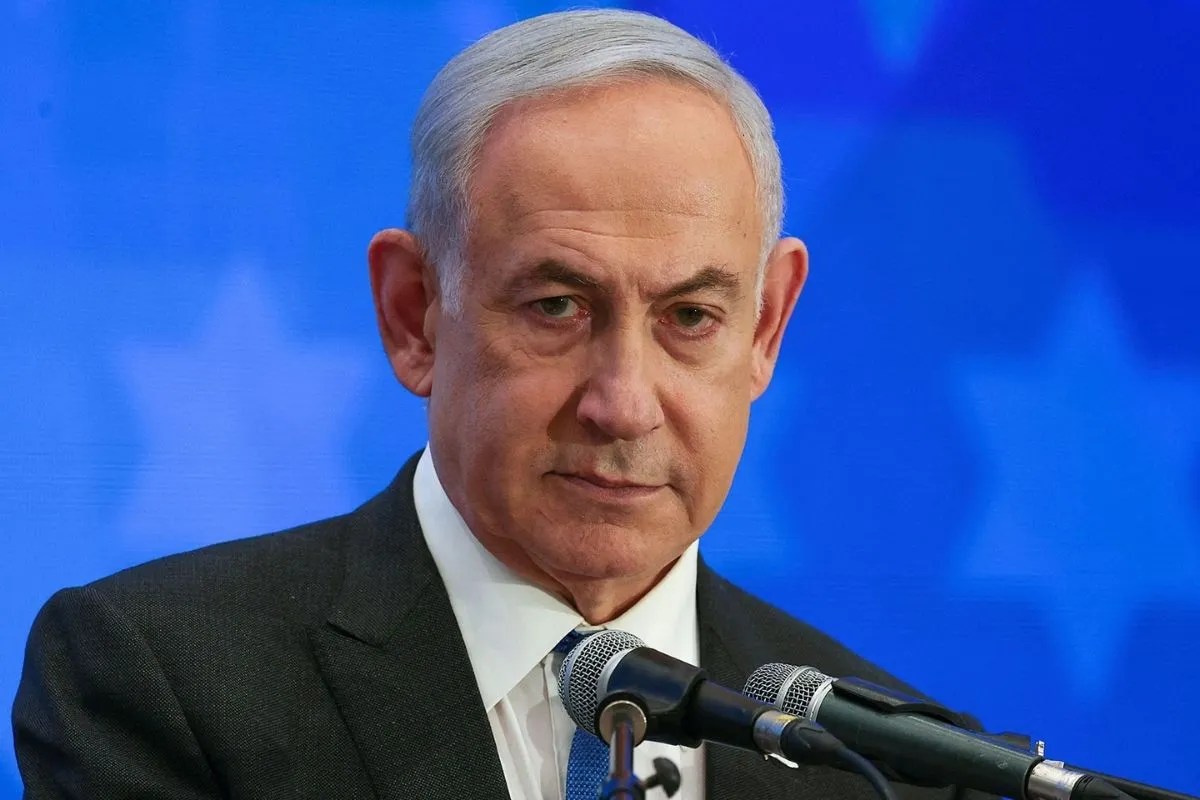
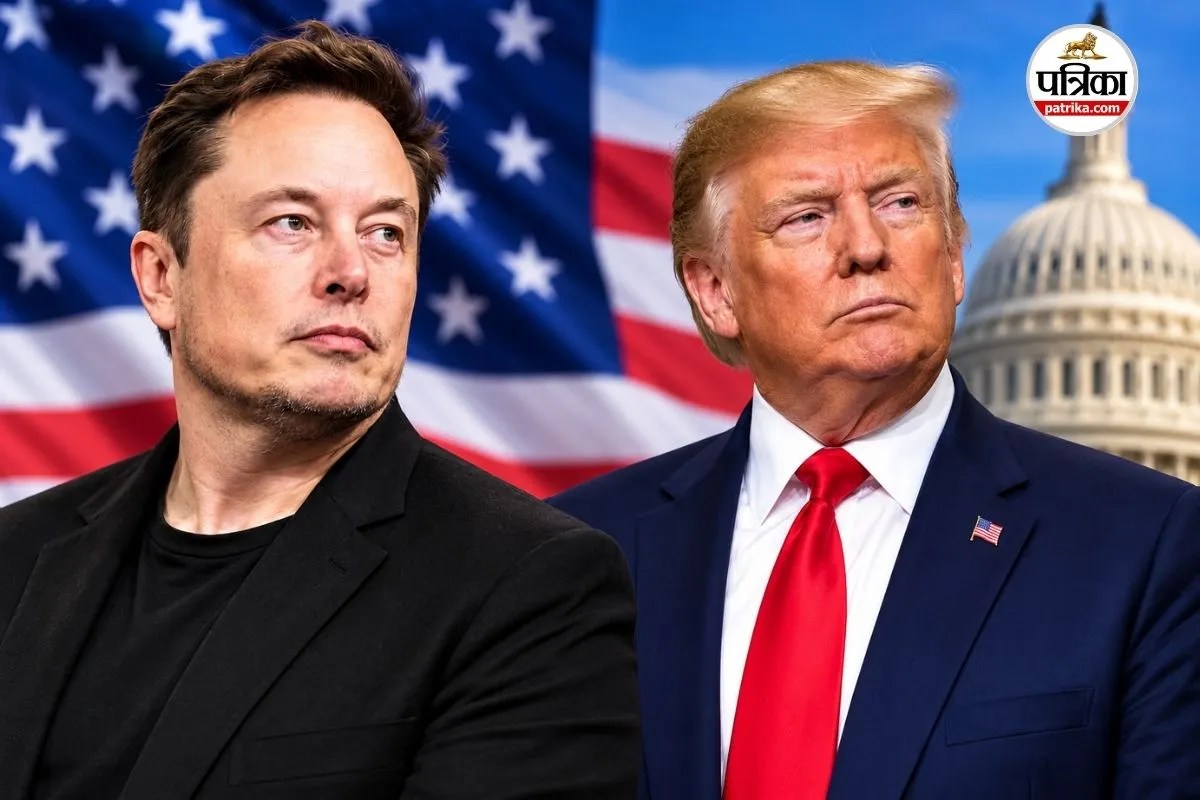
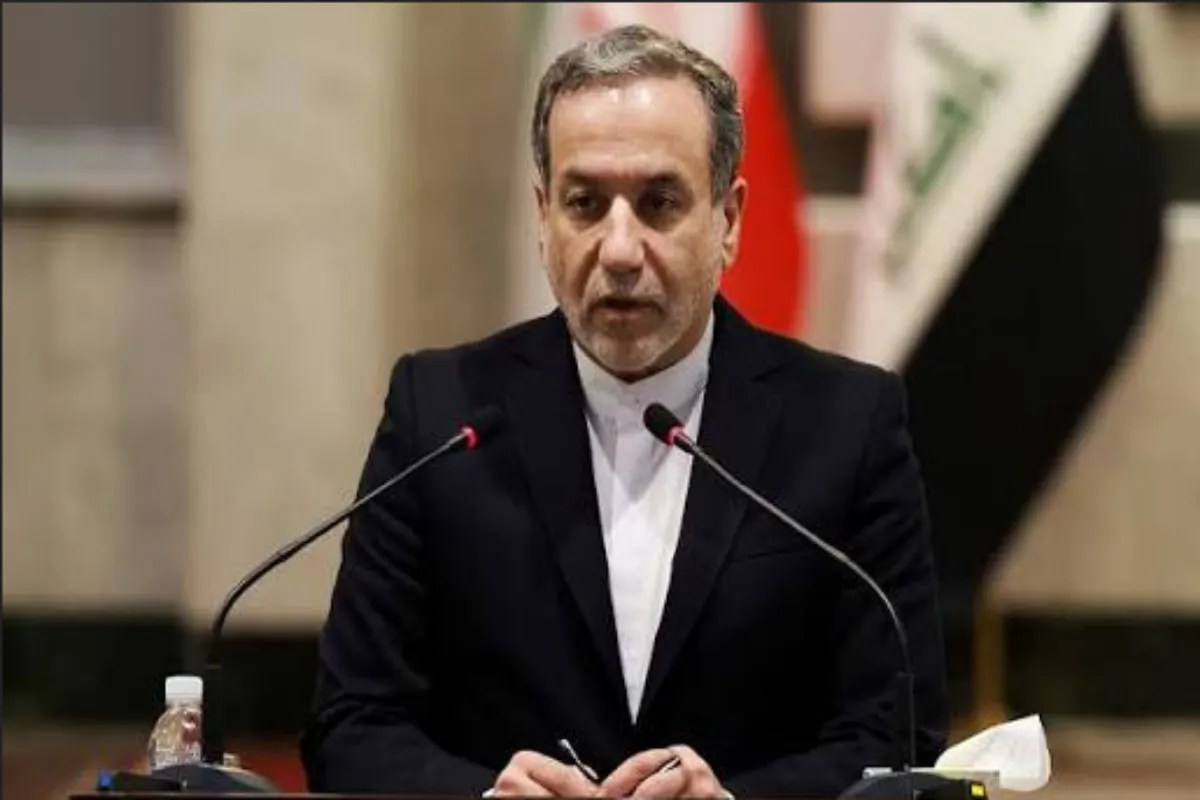
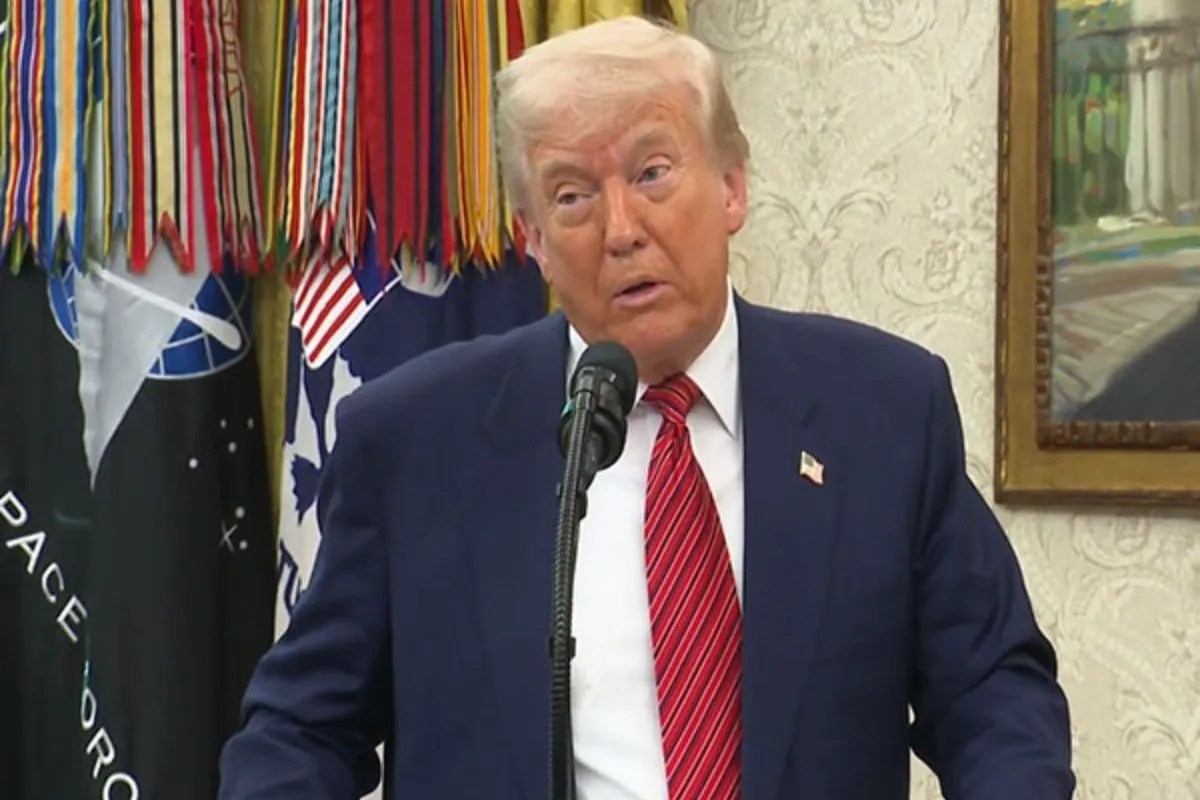
That is the nerve Donald Trump touched when he accused Iran of staging fake attacks and planting or claiming mines in the Strait of Hormuz to drive oil prices higher. Strip away the microphones, the political theater, and the cable-news chyrons, and you are left with a question that cuts straight to the bone of modern life: how much of the price we pay at the pump—and at the grocery store, and on our utility bills—is bought with real danger, and how much is bought with illusion?
I have spent enough time watching how markets react to geopolitical tension to know that traders do not wait for proof when a bottleneck is threatened. They trade probabilities. They trade memory. A narrow strip of water between Iran and Oman, roughly twenty-one miles wide at its narrowest point, carries a massive share of the world's seaborne petroleum. You do not even have to sink a ship to rattle the global economy. You only have to make a captain hesitate for twelve hours, or make an underwriter double a war-risk quote over breakfast in London.
Let's be honest with ourselves right here: this is murky territory. Accusations of staged incidents, psychological warfare, and covert maritime harassment are notoriously hard to verify in real time. Fog isn't just weather in the Gulf; it is policy. When a leader claims an adversary is faking attacks to manipulate crude prices, skepticism is healthy—both toward the accused and toward the accuser. Governments have incentives to exaggerate threats, and adversaries have incentives to keep everyone guessing. Anyone who tells you they have complete, unfiltered certainty about every shadow on a radar screen is selling you something.
To see how a phantom threat ripples outward into ordinary lives, consider a hypothetical character—let's call her Priya, a logistics coordinator running regional deliveries out of a mid-sized distribution hub thousands of miles from the Middle East. Priya isn't watching war rooms. She is watching diesel quotes before her morning coffee cools. A five-cent jump per gallon might look trivial on a financial screen, yet across a fleet of forty trucks hauling produce, medicine, and building materials, it turns thin margins into red ink by Friday afternoon. When fuel spikes on a rumor of mines or an attack in Hormuz, Priya doesn't get a rebate if the threat later turns out to be exaggerated or staged. The invoice arrives anyway.
Why Theater Works Where Torpedoes Might Fail
Think of the global oil market like a crowded theater where everyone is seated near the exit. You don't need a real fire to cause a stampede; a single credible shout of "Smoke!" near the back curtain will send people scrambling toward the doors, knocking over chairs and bruising ribs in the dark. In maritime security, a staged attack or a phantom mine report functions a lot like that shout. Physical destruction is expensive, messy, and risks drawing overwhelming retaliation. Staging an incident—or creating plausible ambiguity around attacks and mines—attempts to harvest the economic shock of a blockade without paying the full military price of enforcing one.
Whether Iran is actually staging fake attacks and mines for price leverage, as Trump alleged, or whether those claims themselves are part of a wider pressure campaign, the mechanism behind oil price spikes remains remarkably consistent. Markets hate uncertainty more than bad news. Bad news can be priced in once; uncertainty forces traders to keep adding a risk premium every single hour until clarity returns.
History gives us plenty of reason to treat maritime chokepoints with respect—and to treat claims around them with sharp scrutiny. Throughout the twentieth and twenty-first centuries, waterways like Suez, Hormuz, and Bab el-Mandeb have repeatedly served as stages for brinkmanship, naval posturing, and disputed incidents. During the 1980s "Tanker War," mines and attacks on shipping turned the Persian Gulf into a genuine hazard zone, pushing up shipping costs and drawing foreign navies deeper into the region. Decades later, episodic seizures, drone and missile incidents, and mine controversies have kept the same waters on edge. Every past episode leaves a residue in collective memory, making the next warning sound louder.
The Invisible Tax on Every Household
When people hear about accusations involving Iran, oil prices, and the Strait of Hormuz, many tune out after the headline. It sounds like distant chess between capitals—Washington, Tehran, Riyadh, Beijing—played with naval assets and sanctions.
It isn't.
Every barrel of crude carries an invisible chain of custody that touches things you rarely connect to geopolitical headlines. Jet fuel for a family flight. Asphalt for the road outside your neighborhood. Fertilizers and plastics. The electricity used to cool or heat an apartment. When geopolitical friction threatens—or is said to threaten—shipping through Hormuz, oil futures often jump before a single drop of supply is permanently lost. If fake attacks or mines are used to push prices up, that jump acts like an unofficial tax collected by volatility itself.
Consider another hypothetical figure—say, Tariq, a small-business owner running a neighborhood bakery and café. Tariq doesn't buy crude oil futures. Yet when energy prices climb on Middle Eastern tensions, his commercial ovens cost more to run, his flour and butter deliveries carry fuel surcharges, and customers who feel squeezed at the gas pump cut back on morning lattes. Even if diplomatic calm returns two weeks later and oil drifts back down, prices on shelves are notoriously sticky on the way down. The spike is fast; the relief is slow.
That asymmetry is why accusations like Trump's resonate so strongly with voters and consumers. Blaming an adversary for artificially inflating oil prices through staged attacks and mines frames high fuel costs not as an impersonal force of nature, but as deliberate manipulation. Whether you buy that framing completely or view it through a critical lens, it taps into a real frustration: watching household budgets get battered by events that feel opaque and out of your hands.
Reading the Water When Signals Are Muddy
So how is an ordinary person supposed to make sense of reports about fake attacks, mines, and oil price manipulation in the Strait of Hormuz?
Start by separating three distinct questions that headlines often mash together:
- What actually happened on the water? Was there physical damage, a verified mine, a credible radar track, or only an unconfirmed report and heated rhetoric?
- Is physical oil flow actually disrupted? A tanker rerouting or pausing for a day is very different from millions of barrels a day being locked inside the Gulf.
- Who benefits from the narrative? Both state actors and political leaders often shape stories around maritime incidents to rally allies, justify pressure, or shift blame for economic pain.
Notice how grounding ourselves in those distinctions keeps us from getting whipsawed. When tensions flare around Iran and Hormuz, prices can surge on emotion long before physical inventories tighten. Conversely, when leaders trade accusations over staged attacks or mines, information warfare is already underway—meaning official statements are clues, not gospel.
There is also a human temptation to look for a single villain whenever prices rise. Sometimes there really is foul play, sabotage, or cynical price manipulation. Other times, complex supply-and-demand dynamics, shipping bottlenecks, and nervous algorithms do plenty of damage on their own. Admitting we don't always know the exact mix in real time isn't weakness; it is intellectual self-defense.
Back out on the water, the sun drops low over the Gulf, turning the surface into hammered copper. A crew member leans on the rail, watching the wake stretch out behind the stern—white foam fading into dark swell, leaving no permanent scar on the sea at all, even when the minds watching it are convinced a storm is coming.