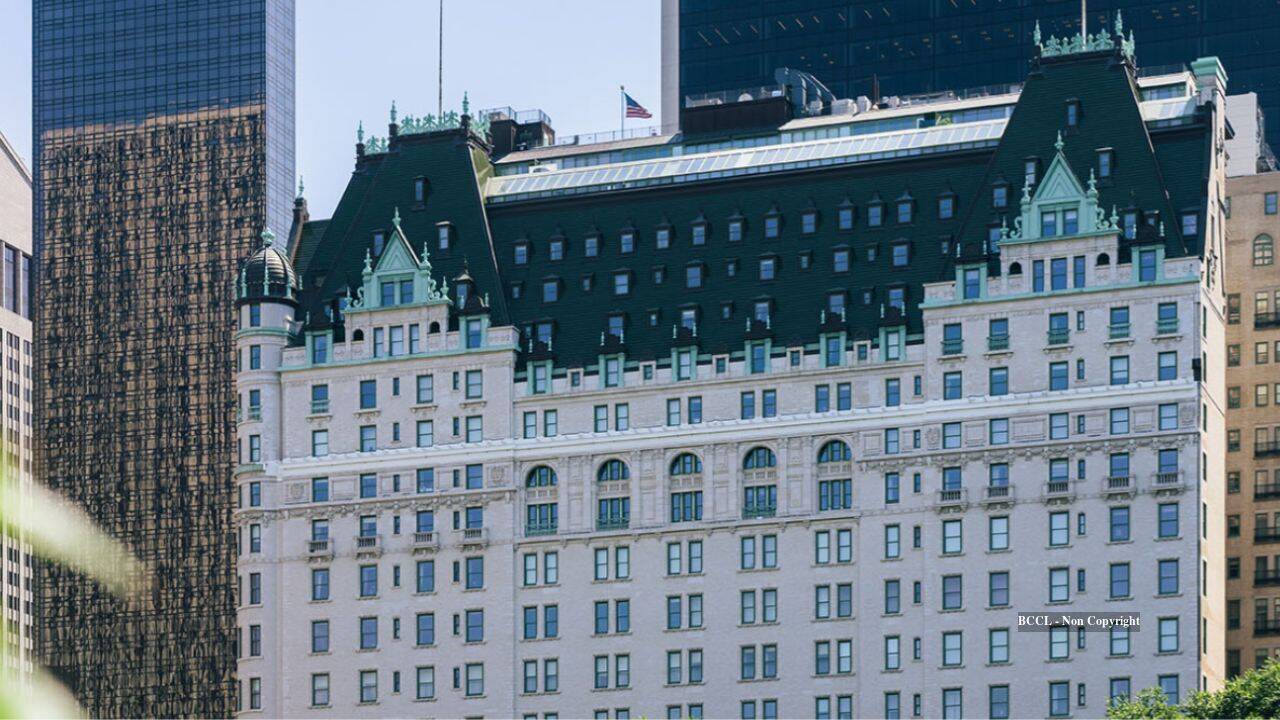
Starting in January 2027, The Plaza Hotel will close for at least four years to restore its historic facade. That means no hotel stays, no afternoon tea under the glass ceiling of The Palm Court, and no holiday cocktails at that exact address until 2031 at the earliest.
Honestly, a four-year shutdown at the corner of Fifth Avenue and Central Park South hits harder than a typical renovation. Most hotels shuffle rooms around or keep a bar open behind plywood walls. Here, the operator Fairmont Hotels & Resorts and owner Katara Hospitality are pausing hotel, event-space, and Palm Court operations altogether so crews can tackle a landmark-protected exterior that dates back to 1907.
If you had a 2027, 2028, or 2029 trip circled on your calendar, you need a backup plan now. And if you care about New York architecture or hospitality labor, there's a lot more going on beneath the scaffolding than fresh mortar.
Why The Plaza Hotel Closure Is Happening Now
Henry Janeway Hardenbergh designed The Plaza in a French Renaissance chateau style, opening the current building on October 1, 1907. Over more than a century of freeze-thaw cycles, wind shear, and city grime, its white brick, marble, granite, terracotta, and wrought iron have taken a beating.
Designating the exterior a New York City landmark in 1969 was a win for preservation. It also meant every stone patch, masonry anchor, and decorative detail had to meet strict historic standards rather than quick modern shortcuts. Add in continuing maintenance obligations tied to City Planning Commission agreements and oversight from groups like the New York Landmarks Conservancy, and exterior restoration becomes slow, meticulous work.
I've watched plenty of older buildings underestimate exterior envelope work until scaffolding goes up and hidden water intrusion or steel corrosion shows up. When you're dealing with a century-old facade at scale, doing it right takes years, not months. A full closure also keeps guests away from heavy rigging, noise, and safety zones around one of Manhattan's busiest corners.
How This Differs From The 2005 To 2008 Shutdown
People who remember The Plaza closing from 2005 to 2008 might assume this is just round two of the same playbook. Not quite. That earlier multi-year closure was a sweeping $450 million top-to-bottom overhaul that reshaped the property, including carving out private residences.
This upcoming closure zeroes in on repairing and restoring the historic exterior envelope. No reopening date has been locked in yet, and full project costs haven't been publicly detailed, which is a reminder to treat 2031 as a floor rather than a promise.
What Remains Unclear For Residents, Staff, And Guests
Big announcements always leave gaps, and this one has a few notable loose ends.
First, there's the residential side. The building includes 181 condominiums alongside its 282 hotel rooms, and early reporting hasn't settled whether condo owners will need to relocate during the exterior work. Living inside a building wrapped in major facade restoration can be noisy and disruptive, so clarity there matters a lot.
Second, workers have some concrete guardrails. According to reporting on the Hotel & Gaming Trades Council, the property's 378 union-member employees have recall rights to return at the same pay level when the hotel reopens, with union support to help line up other work during the closure. Still, a four-year gap is a long stretch for any hospitality workforce, even with strong union protections.
Third, guests should watch booking calendars closely. Even before the calendar hits January, room availability around the turn of the year can tighten fast. If you're eyeing a farewell stay, afternoon tea at The Palm Court, or a drink at the Champagne Bar, don't wait until late December.
A Cultural Icon Goes Quiet For Years
The Plaza was never just a place to crash after a red-eye. Opened to rival Europe's grandest hotels, it became a setting in F. Scott Fitzgerald's The Great Gatsby, hosted Truman Capote's famous 1966 Black and White Ball, appeared in films from North by Northwest to Home Alone 2: Lost in New York, and gave generations of kids Eloise.
Taking a pop-culture anchor off the map for four-plus years changes the rhythm of Midtown. From a traveler's perspective, that's a real loss of atmosphere—especially during the holidays when Fifth Avenue is packed and people look for classic New York nostalgia.
From a preservationist's perspective, though, I'd rather see ownership bite the bullet on thorough exterior restoration than let a landmark facade slowly deteriorate. Grand architecture isn't self-sustaining. It needs serious money, patience, and discipline.
Smart Moves If You Planned To Stay Or Visit
If you had The Plaza on your radar between 2027 and 2031, here's how to handle it without getting burned:
- Lock in farewell bookings early: If you want a stay, Palm Court tea, or drinks before the closure begins, check official availability now and confirm exact dates directly with the property rather than relying on third-party hold lists.
- Rebook multi-year trips elsewhere now: For events, milestone trips, or loyalty stays planned for 2027 through 2030, pick alternative Midtown or Upper East Side hotels early so prime dates don't sell out.
- Track official updates before locking 2031 plans: Because no firm reopening date or detailed construction schedule has been announced yet, treat 2031 as tentative and build flexible cancellation terms into early bookings.
- Watch New York preservation coverage: Follow updates from the hotel, City Planning filings, and the New York Landmarks Conservancy if you want to see how the masonry and facade work progresses once scaffolding goes up.



