The Living Room Ceremony
The candles flickered, casting long, distorted shadows across the hardwood floor of a quiet home in Northamptonshire. It was supposed to be a sanctuary. Outside, the British drizzle dampened the streets, but inside, the air was heavy with the scent of burning sage and the palpable anxiety of people desperate to shed their invisible burdens.
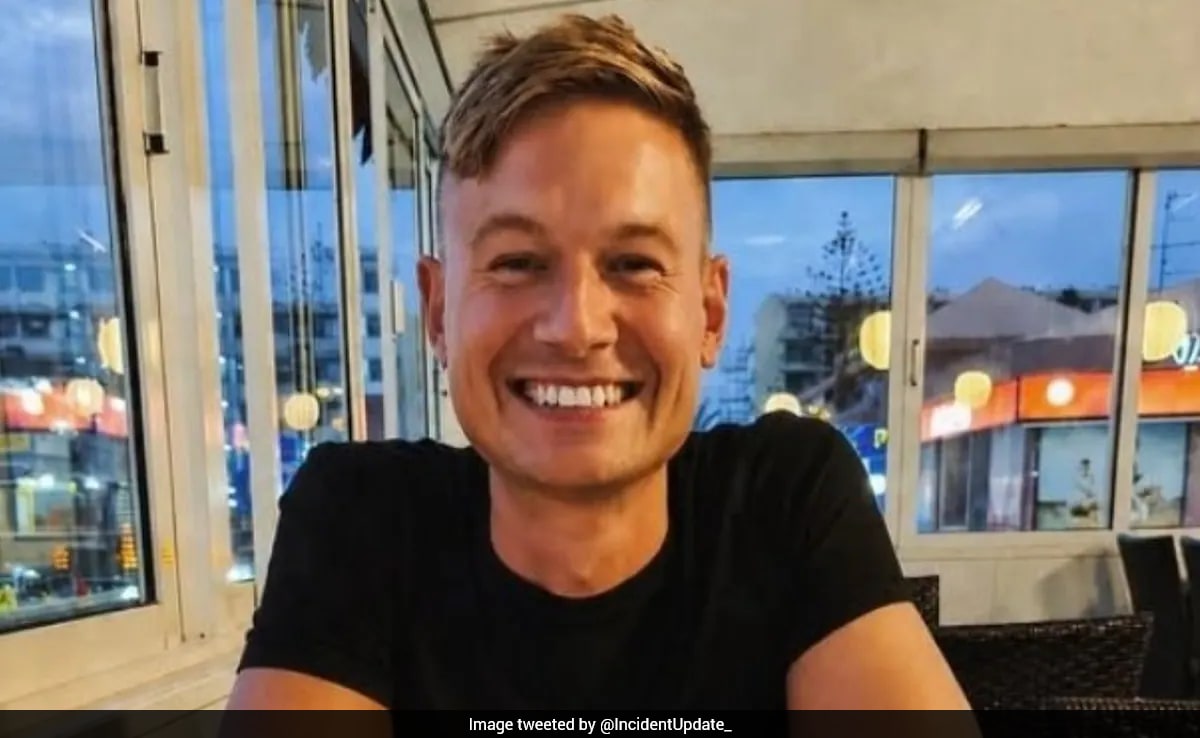
Among them was Luke King-Salter. He was 43 years old. He was a wellness coach, a man who had dedicated his life to helping others find balance, clarity, and health. Yet, like so many who inhabit the modern wellness space, Luke was chasing something deeper. An ultimate reset. A profound purging of the modern toxins that wear down the human spirit. Also making waves recently: The European Virus Panic Proves We Are Tracking the Wrong Biological Metrics.
He wasn't looking for a high. He was looking for a cure.
On the floor sat a small, dried mass of yellow secretion, scraped from the skin of a Phyllomedusa bicolor—the giant leaf frog of the Amazon basin. In the rainforest, this potent cocktail of peptides protects the amphibian from predators. In the West, it has been rebranded as Kambo. It is marketed as a miraculous, holistic vaccine, a spiritual vacuum cleaner for the soul. More information on this are covered by Psychology Today.
The practitioner heated a thin wooden stick until the tip glowed red. With practiced precision, they pressed the ember against Luke’s skin, burning away the top layer of epidermis to create small, circular open wounds. The dried frog secretion, mixed with a few drops of water into a paste, was applied directly to the raw flesh.
Instantly, the venom entered his bloodstream.
The Chemistry of the Purge
What happens next is usually described by practitioners as a spiritual war. In reality, it is a violent, acute poisoning.
Within seconds, the peptides hit the cardiovascular system. The heart races. Blood pressure plummets drastically, then spikes. The face flushes with a burning heat, swelling up into what practitioners colloquially call "frog face." Then comes the nausea. It is not a gentle wave of sickness; it is a violent, full-body convulsion.
To the community that gathers around Kambo, this vomiting is the entire point. They call it "the purge." They believe that as you retch into a plastic bucket, you are physically expelling negative energy, trauma, and physical illnesses. The physical agony is romanticized as the price of admission for enlightenment.
But the human body does not care about metaphors.
Luke became severely ill during the ritual. This was not the standard, temporary discomfort of a Kambo session. His body was failing. As the minutes ticked by, the expected recovery never came. The ambient calm of the living room dissolved into panic. Emergency services were called, and paramedics rushed him to Kettering General Hospital.
He never made it back to his own life. Luke King-Salter died, leaving behind a grieving family and a stark, horrifying question mark over the multi-billion-dollar wellness industry that promised him healing.
The Illusion of the Sacred
We live in an era of profound exhaustion. The demands of modern life—constant connectivity, economic instability, the background hum of global anxiety—have left a generation feeling fundamentally broken. When conventional medicine offers long waiting lists or cold, pharmaceutical solutions, it is completely understandable why people turn to the ancient, the exotic, and the alternative.
There is a seductive narrative in the wellness world: If it comes from nature, it is pure. If it involves suffering, it is transformative.
This is a dangerous fallacy. Nature is not a benevolent pharmacy designed for human consumption. Nature is a battlefield. The secretions of the giant leaf frog did not evolve to align human chakras or detoxify the liver of a British wellness coach. They evolved as a chemical weapon. They are designed to make any predator that bites the frog experience such intense, agonizing sickness that it will never try to eat one again.
Consider the actual science of what Kambo introduces to the human body. It contains a complex brew of neuropeptides and oligopeptides. Phyllocaerulein affects central blood pressure and causes the smooth muscles of the gastrointestinal tract to contract violently. Phyllomedusin dilates blood vessels, contributing to the sudden drop in blood pressure. Sauvagine sends the adrenal system into overdrive.
When you mix these compounds together, you aren't "cleansing" your organs. You are forcing your body into a state of hyper-acute shock. For most people, the body manages to survive the assault, leaving them exhausted, flooded with endorphins from the sheer trauma of the experience, and convinced they have achieved a breakthrough. But for some, the strain is simply too much.
The Invisible Stakes
The tragedy of Luke’s death is not an isolated anomaly; it is the logical conclusion of an unregulated, hyper-romanticized subculture. The Coroner’s Court in Northampton opened an inquest into his passing, a somber legal proceeding trying to piece together how a man seeking health ended up on a morgue slab.
The real danger of ceremonies like Kambo lies in the illusion of authority. The people administering these substances are rarely doctors or trained medical professionals. They are "practitioners" or "shamans," titles often earned through short weekend workshops or brief trips abroad. They possess a deep, passionate belief in the medicine, but belief cannot read an undiagnosed heart murmur. Belief cannot manage an anaphylactic shock.
When a medical procedure takes place in a hospital, there are crash carts, monitors, adrenaline, and trained physicians who understand the precise mechanisms of toxicology. When a ritual takes place in a suburban living room, the only tools available are burning sage, a bucket, and a group of people praying that the convulsions stop.
The wellness industry frequently exploits a profound cognitive dissonance. We are told to scrutinize every ingredient in our processed food, to fear parabens in our shampoo, and to demand rigorous organic certifications for our vegetables. Yet, the moment a substance is framed as an indigenous ritual or an ancient secret, that critical skepticism vanishes. People who would never dream of taking an untested, experimental pharmaceutical drug will happily allow a stranger to burn holes in their arms and smear them with wild amphibian venom.
The Cost of the Reset
We must ask ourselves what we are actually searching for when we sign up for these extreme experiences. Why have we become so convinced that healing must hurt?
The human body is equipped with an incredibly sophisticated, highly effective detoxification system. It is composed of the liver, the kidneys, the lungs, and the skin. They work quietly, around the clock, without the need for intense heat, violent vomiting, or scarring burns. But the quiet, boring reality of drinking enough water, eating balanced meals, getting sufficient sleep, and managing stress through therapy or community doesn't have the same allure as a dramatic, weekend transformation.
We want the shortcut. We want the cinematic breakthrough where we vomit up our demons and emerge from the sweat lodge completely reborn.
But there are no shortcuts. The vulnerabilities we carry—our grief, our stress, our search for meaning—cannot be shocked out of our systems by an Amazonian frog. When we treat our bodies like experimental labs in the pursuit of spiritual optimization, the stakes are not metaphorical. They are physical, brutal, and sometimes final.
The candles in the Northamptonshire living room eventually burned down to stubs, leaving behind the cold ash of sage and an empty space where a vibrant, well-meaning man used to be. Luke King-Salter wanted what we all want: to feel whole, to feel well, and to find a sense of peace in a chaotic world. He trusted a narrative that promised him a clean slate through the magic of nature.
Instead, he found the limits of what the human heart can endure.


