We’ve hit a point in political discourse where everything is personal, everything is an insult, and the actual substance of policy is usually left in the gutter. You’ve probably noticed that when politicians face off these days, they don’t just debate the issues. They aim for the throat.
Take the 2020 Georgia Senate race between Jon Ossoff and David Perdue. It wasn’t a polite exchange of ideas. It was a brawl. Ossoff famously called Perdue a "crook" right to his face during a debate. That moment became the defining clip of their campaign. It wasn't about tax codes or infrastructure; it was about character assassination.
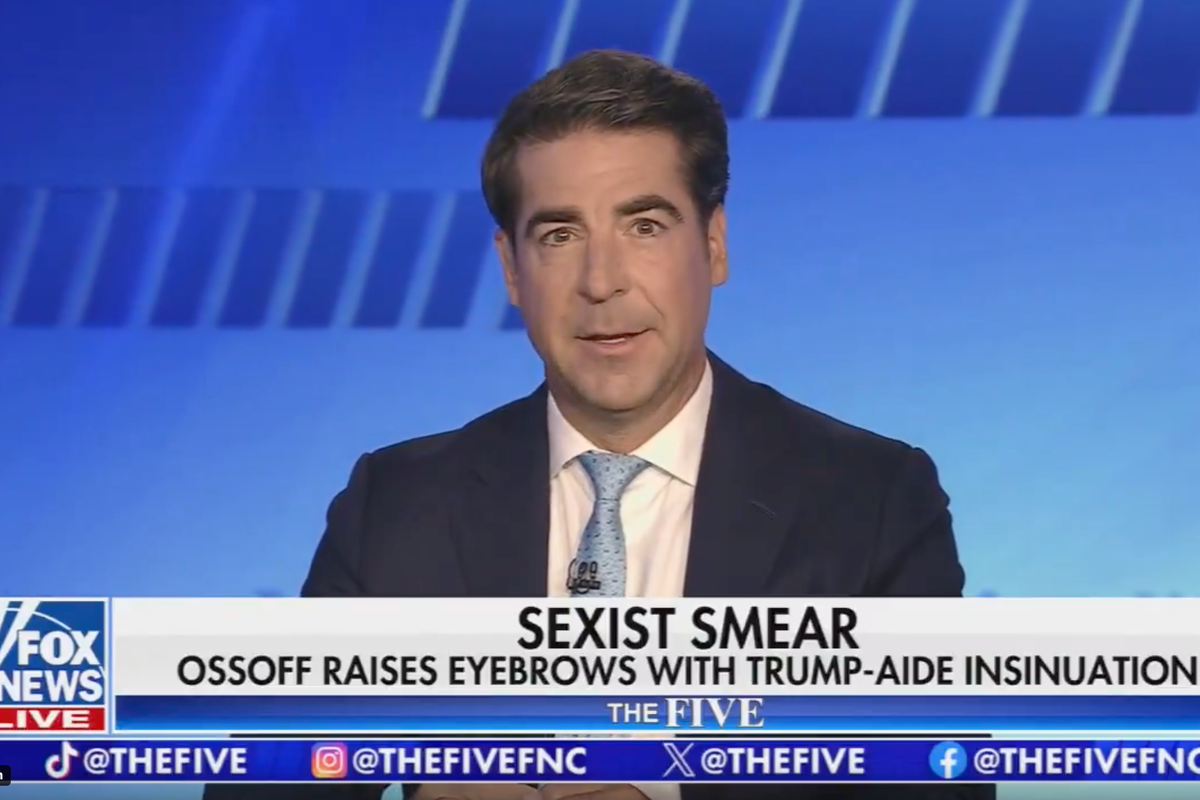
Some commentators tried to frame these jabs as the new normal. Others, including some figures at networks like Fox News, eventually had to acknowledge the obvious: the rhetoric coming from the top—specifically from Donald Trump—made these local political barbs look downright tame. If you’re shocked by a candidate calling an opponent names, you haven't been paying attention to the past decade of American politics.
The Shrinking Middle Ground
The problem isn't just that politicians are being mean. It's that the incentive structure has completely shifted. When I look at how campaigns are run, it's clear that outrage generates more engagement than policy white papers. If you want a viral moment, you don't explain how you’ll fix healthcare. You go for the "gotcha" moment. You film an ad, you cut a clip, and you let the internet do the work for you.
During the Perdue-Ossoff fight, the campaigns were obsessed with these kinds of viral theatrics. Perdue’s camp ran ads that were, at best, misleading and, at worst, grotesque—like the time his campaign digitally altered Ossoff’s nose in an ad. It wasn't a policy debate; it was a cheap shot that relied on ugly stereotypes. Ossoff fired back with "You're a crook," which served as a blunt-force instrument to remind voters about the stock trading controversies surrounding Perdue at the time.
Neither side was interested in winning hearts through persuasion. They were interested in winning through delegitimization.
Why We Keep Falling for It
Honestly, it’s frustrating to watch. We, the voters, are the ones being played. These campaigns realize that if they can keep us focused on who is more "sleazy" or who is a "crook," we won't notice that they aren't offering real solutions to the things that actually affect our lives.
When you see a headline claiming that a network host admitted someone has said "much more sleazy" things than a local candidate, take a second to realize what that says about our standards. It’s an admission that the bar is on the floor. It suggests that because the highest levels of government are engaged in mud-slinging, we should just accept that this is how it works now.
I refuse to accept that.
Moving Beyond the Noise
If you want to actually understand where a candidate stands, stop waiting for the debate clips to hit your social media feed. They are engineered to make you angry, not informed. Here is the reality check you need:
- Ignore the viral clips. If a video is designed to make your blood boil, it’s probably missing 90% of the context.
- Read the voting record. I know it’s boring. It’s supposed to be. That’s where the actual work happens. Look at how they voted on committees, not what they said on a radio show three years ago.
- Follow the money. Don't listen to what they say about their opponents. Look at which lobbyists and PACs are filling their campaign coffers. That’s usually the clearest indicator of their actual agenda.
- Check non-partisan sources. Use sites like FactCheck.org to see when a candidate is stretching the truth. It's not about being a fan of one side or the other; it’s about knowing when you're being sold a lie.
Political rhetoric is only as toxic as we allow it to be. When we stop rewarding the "crook" insults and start demanding real answers about inflation, healthcare, or whatever issue is hitting your wallet, the candidates will eventually have to shift their strategy. Until then, keep your head clear and don't let the outrage machine decide how you vote.