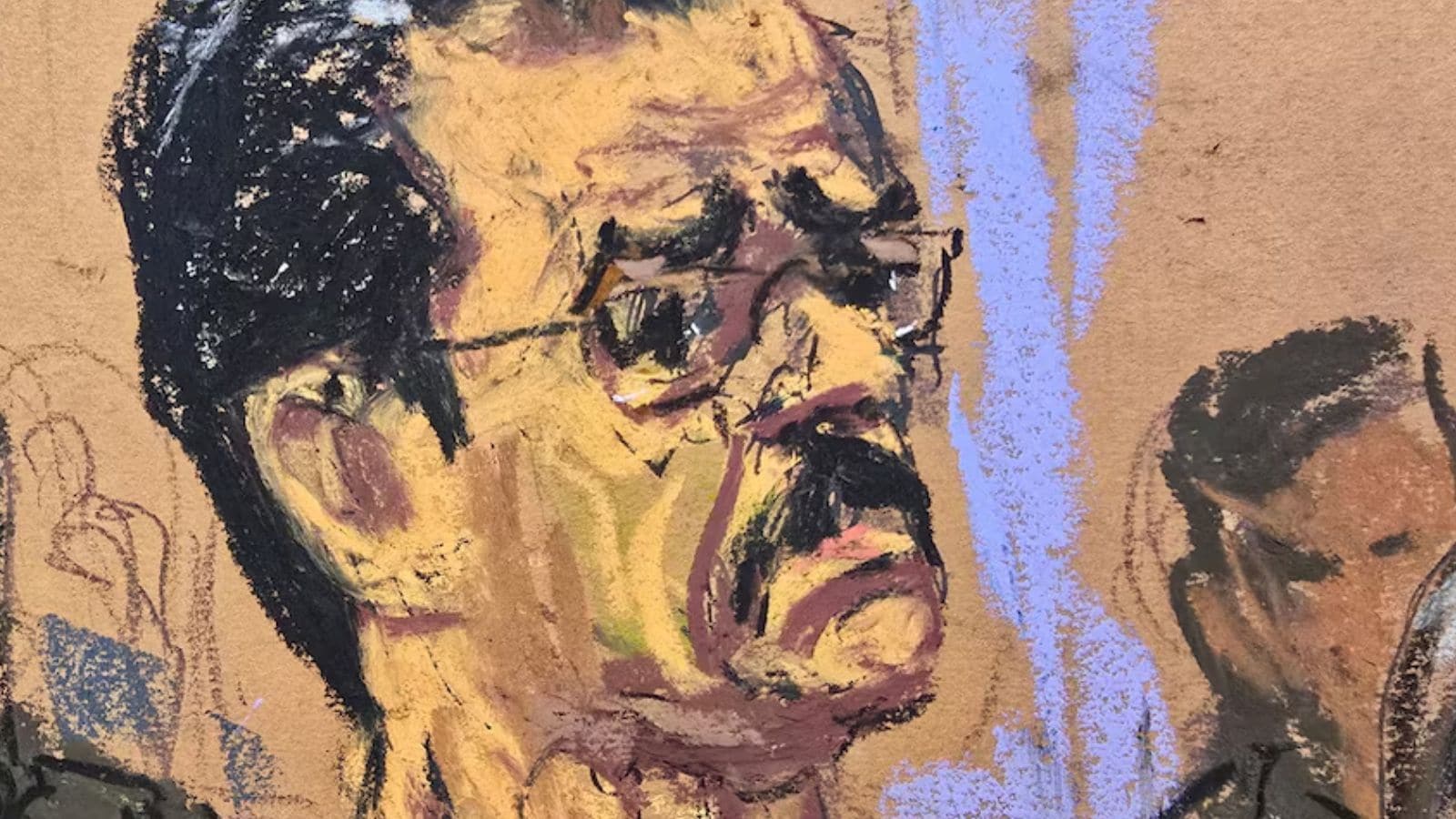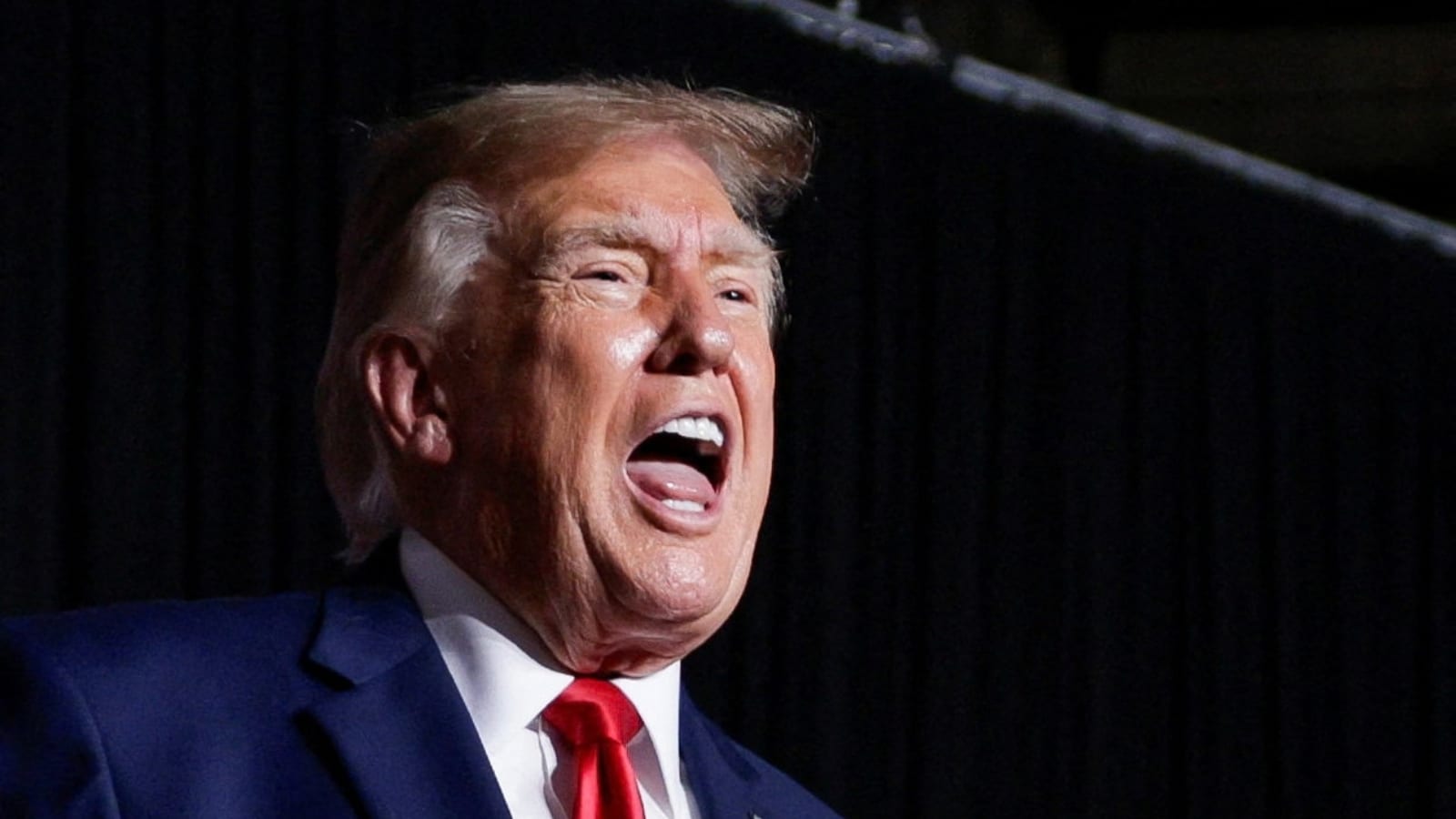
Public art installations within transnational governance zones operate primarily as signaling mechanisms rather than aesthetic contributions. When a political figure is rendered in a provocative format within a legislative precinct, the underlying mechanics involve a deliberate expenditure of capital and symbolic resources to capture institutional attention. This dynamic governs how fringe political dissent, corporate messaging, and institutional critique intersect within the administrative architecture of the European Union.
Deconstructing the mechanics of such interventions requires analyzing the cost-benefit matrix of political provocation. The deployment of a transient, high-visibility artifact bypasses traditional lobbying channels by exploiting media amplification loops. The primary objective is not the object itself, but the behavioral response of the institutional apparatus and the resulting media dissemination.
The Economic Model of Transnational Provocation
The cost function of a political art stunt is defined by three primary variables: material production expenditure, logistical placement friction, and regulatory containment response.
Physical fabrication of oversized, non-standard sculptures requires distinct supply chain inputs, typically involving synthetic resins or metallic plating, followed by transport across national jurisdictions within the Schengen Area. The financial barrier is remarkably low relative to the projected return in earned media value.
Logistical friction involves circumventing or exploiting security perimeters at transnational bodies. The European Parliament in Strasbourg or Brussels maintains rigorous perimeter controls, yet temporary installations frequently exploit the grey zone between public access zones and secured interior chambers. This relies on security personnel operating under bureaucratic inertia rather than tactical threat assessment.
Regulatory containment measures form the final variable. Institutional response generally follows a predictable curve: immediate removal, administrative inquiry, and official condemnation. Each phase generates a secondary wave of public commentary, successfully extending the asset's lifespan across digital distribution channels long after the physical object has been sequestered.
Institutional Vulnerability and Media Amplification
Transnational legislative bodies are structurally optimized for legislative deliberation, not rapid aesthetic curation or reputation management. This creates a strategic vulnerability. When an external actor introduces an anomalous physical object into the ecosystem, the institution faces a choice between swift suppression, which validates the provocation through censorship narratives, or passive endurance, which normalizes the disruption.
The media apparatus functions as the primary distribution engine for this dynamic. Mainstream journalistic entities operate under economic incentives that favor conflict-driven narratives over procedural reporting. A visually striking, politically charged artifact guarantees high engagement metrics across digital platforms. Consequently, the creators of the installation outsource their distribution strategy to the very news organizations that critique the spectacle.
[Provocation Deployed] -> [Institutional Confusion] -> [Media Amplification] -> [Public Polarization]
This feedback loop alters the legislative environment by shifting the discourse away from technical regulatory frameworks toward emotional, identity-driven polarization. Policymakers find themselves forced to react to symbolic tokens rather than substantive policy amendments, temporarily degrading the efficiency of the deliberative process.
Strategic Forecast for Political Signaling
As communication channels become increasingly saturated, the efficacy of traditional press releases and peaceful demonstrations diminishes. Actors seeking to influence legislative agendas or public opinion will increasingly rely on high-impact physical disruptions designed specifically for digital capture.
Future interventions will likely incorporate augmented reality layers or decentralized funding models, decoupling the physical presence of the installation from its financial backers and making regulatory accountability more difficult to assign. The institutional response will necessarily evolve toward automated perimeter enforcement and preemptive legal frameworks targeting aesthetic dissent, setting up an ongoing escalation cycle between institutional preservation and disruptive political expression.