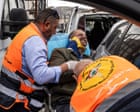
Journalists covering the occupied West Bank face an impossible reality. When Israeli settlers attacked a press photographer while military personnel stood by and watched, it wasn't an isolated incident. It was part of an escalating pattern designed to blind the world to daily ground realities.
You don't need a formal press pass to see what's happening. You just need to look at the numbers. Documented assaults on reporters by both security forces and civilian settlers have surged over the past two years. Cameras get smashed, memory cards get seized, and reporters face tear gas or live rounds for doing their jobs. When soldiers watch assaults happen without intervening, tacit approval becomes explicit policy.
The Anatomy of Impunity on the Ground
If you've ever stood behind a camera lens in a conflict zone, you know the split second when a situation flips from tense to dangerous. In the West Bank, that line has basically vanished. Settler violence isn't a random outburst of civilian anger. It often operates alongside military maneuvers, creating a dual pressure system on Palestinian communities and anyone documenting them.
When photographers step forward to capture property destruction or land takeovers, they carry targets on their backs. The equipment itself becomes contraband. A telephoto lens looks like a threat when you're trying to hide illegal outposts or forced evictions from public view.
Consider how enforcement works when things go wrong. If a civilian throws a stone or breaks a window, arrests happen swiftly. But when settlers assault journalists in broad daylight under the gaze of armed troops, investigations rarely materialize. Accountability breaks down completely. This creates a zone of absolute impunity where aggression against reporters carries zero professional or legal cost for the perpetrators.
Why the International Response Falls Flat
Foreign ministries issue statements expressing deep concern. Condemnations roll in after every major viral video or hospital admission. Yet, words do nothing to stop the next beating.
Diplomacy requires leverage, and right now, the international community treats these press freedom violations as unfortunate collateral damage rather than deliberate suppression. Local unions and international press organizations track every single broken camera and fractured rib. They publish reports, host briefings, and demand independent inquiries. Those archives fill up while the violence continues unpunished.
Real protection means consequences. Until diplomatic partners tie military assistance or trade terms to the safety of civilian observers and journalists, troops will keep looking away. They will keep watching while men in tactical gear or civilian clothes smash the tools of free expression.
The Cost of Looking Away
Silencing the press changes the narrative entirely. When reporters are driven off the streets or hospitalize themselves just to file a single frame of footage, the information ecosystem shrinks. Rumors fill the vacuum. Fear replaces facts.
Every time a photographer gets beaten while soldiers stand at parade rest, a piece of truth dies with them. The international community loves to talk about the importance of a free press as the cornerstone of democracy. But in the hills and checkpoints of the West Bank, that cornerstone is cracking under the weight of active neglect.
Protecting the people who document history shouldn't require dodging rocks while the people with guns turn a blind eye. Demand accountability from the institutions funding these operations, support local journalists who risk everything for a single frame, and refuse to let the silence win.