Money has a sound. In the quiet corridors of modern politics, it does not clink or rustle. It hums. It hums through the fiber-optic cables connecting Silicon Valley servers to Washington super PACs, through the silent overnight transfers of digital wealth, and through the sudden, deafening saturation of evening television screens across America.
We have grown accustomed to staggering numbers. Billions and trillions flash across our smartphones daily, abstract figures that numb the human brain. But when a single individual pours three hundred and sixty-six million dollars into a single electoral cycle, the abstraction shatters. That kind of capital ceases to be mere currency. It becomes gravity. It bends the trajectory of public debate, pulls political machinery into its orbit, and redefines the mechanics of democracy itself.
Consider what happens when wealth of that magnitude enters the fragile arena of a midterm election.
To understand the weight of three hundred and sixty-six million dollars, you have to look away from the national headlines and into the smaller, quieter communities where midterm elections are actually won or lost. Imagine a dusty county in a swing state, a place where local television stations used to run ads for local car dealerships and family farms. Now, the airwaves belong entirely to unseen architects. Every commercial break is a barrage of targeted anxiety, funded by distant treasuries.
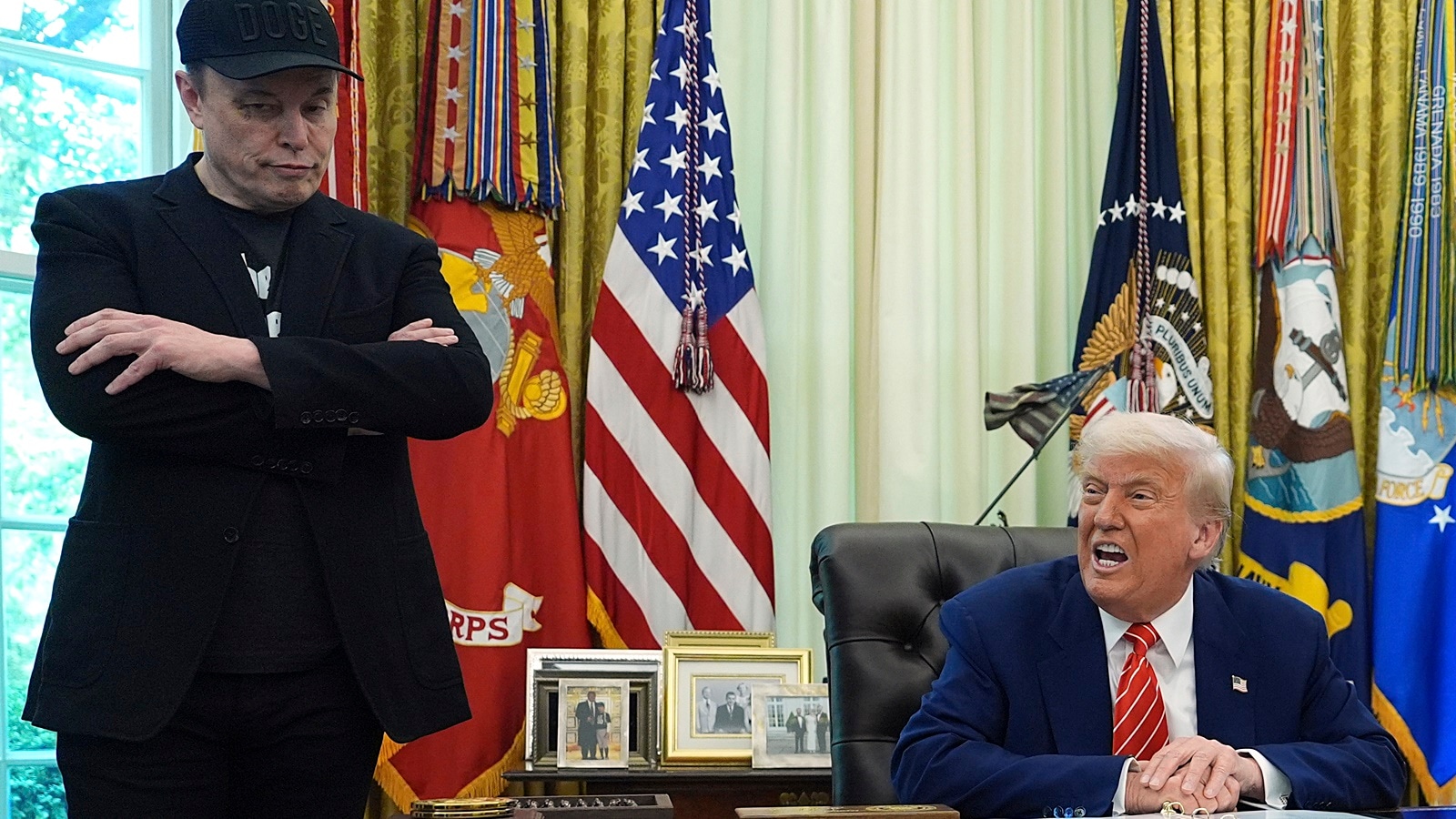
Elon Musk did not merely write checks. He fundamentally altered the physics of participation. When the world’s most prominent technologist pivoted his considerable resources, his personal brand, and his digital megaphone toward the political battlefield of the 2026 midterms, he wasn't just buying ad space. He was purchasing momentum.
There is a profound disconnect between the people who build systems and the people who live under their laws. For decades, traditional political donors operated behind velvet curtains. They were Wall Street executives, legacy industrialists, and ideological dynasties who preferred the shadows. They gave their millions to committees with obscure, patriotic-sounding names, keeping a polite distance from the daily mudslinging of campaign strategy.
Musk operates differently. His approach is public, volatile, and deeply personalized. When you tie political funding to a charismatic, controversial tech titan who commands the attention of hundreds of millions of followers on a single platform, the dynamics shift from institutional loyalty to a form of digital tribalism. Voters are no longer just choosing between a red tie and a blue tie; they are picking sides in a high-stakes cultural struggle between old-guard institutions and Silicon Valley libertarianism.
This is where the human element gets lost in the spreadsheets.
Every time a multi-million-dollar war chest descends upon a competitive congressional district, ordinary citizens experience a strange alienation. They feel like extras in a movie directed by people they will never meet. Their local issues—potholes, failing rural hospitals, the cost of insulin—get drowned out by nationalized culture wars beamed directly into their living rooms.
Yet, to dismiss this unprecedented spending as mere manipulation is to miss a deeper, more unsettling truth. Citizens are hungry for disruption. When trust in traditional media, congressional leadership, and institutional governance hits historic lows, an outsider with a checkbook looks less like a threat and more like a wrecking ball. And for millions of Americans frustrated by stagnation, a wrecking ball is precisely what they think the system needs.
Think about the psychological mechanics at play. We live in an era of profound institutional fatigue. People are tired of polite compromises that change nothing. When a figure like Musk deploys three hundred and sixty-six million dollars to reshape the political map, it sends a visceral message: the old rules are dead. Money has always talked in American politics, but rarely has it spoken with such unfiltered, techno-futuristic audacity.
The danger, of course, is what happens to the collateral damage of political disruption. Democracy is not software. You cannot simply move fast and break things without destroying the fragile human lives caught in the debris. When elections become billion-dollar tech-fueled proxy wars, the voices of everyday communities are compressed into focus groups and algorithmic micro-targeting data.
We are standing at a strange crossroads in political history. The boundary line between technological innovation and political governance has completely dissolved. The same algorithms designed to keep us scrolling on social media feeds are now being deployed to polarize our civic choices, supercharged by fortunes that rival the GDPs of small nations.
When the dust settles on the midterm results, the signs of this transformation will remain etched into the political landscape. Candidates will have learned a new playbook. Future campaigns will no longer be measured by grassroots door-knocking alone, but by the digital infrastructure and private capital backing them from the shadows of Silicon Valley and the boardrooms of tech empires.
We must ask ourselves what remains of the democratic ideal when the loudest megaphone belongs to the person with the deepest digital pockets. It is a question that does not fit neatly into a partisan box. It touches something much deeper about who we are as a society, what we value, and whether our collective future is something we still get to choose, or something we simply buy.
The hum of the cables continues. The servers never sleep. And somewhere in the quiet dark, the next calculation is already being made.