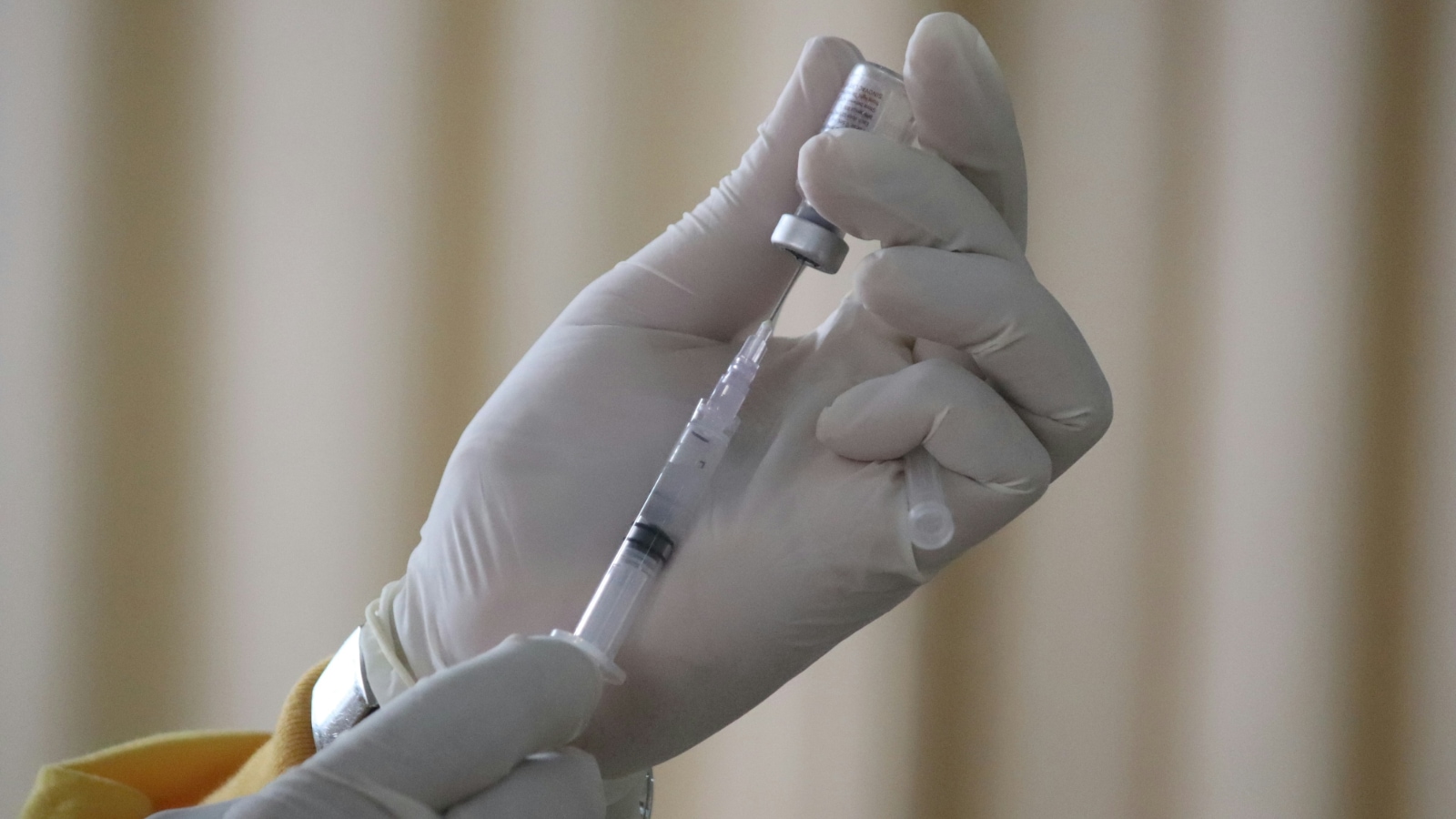
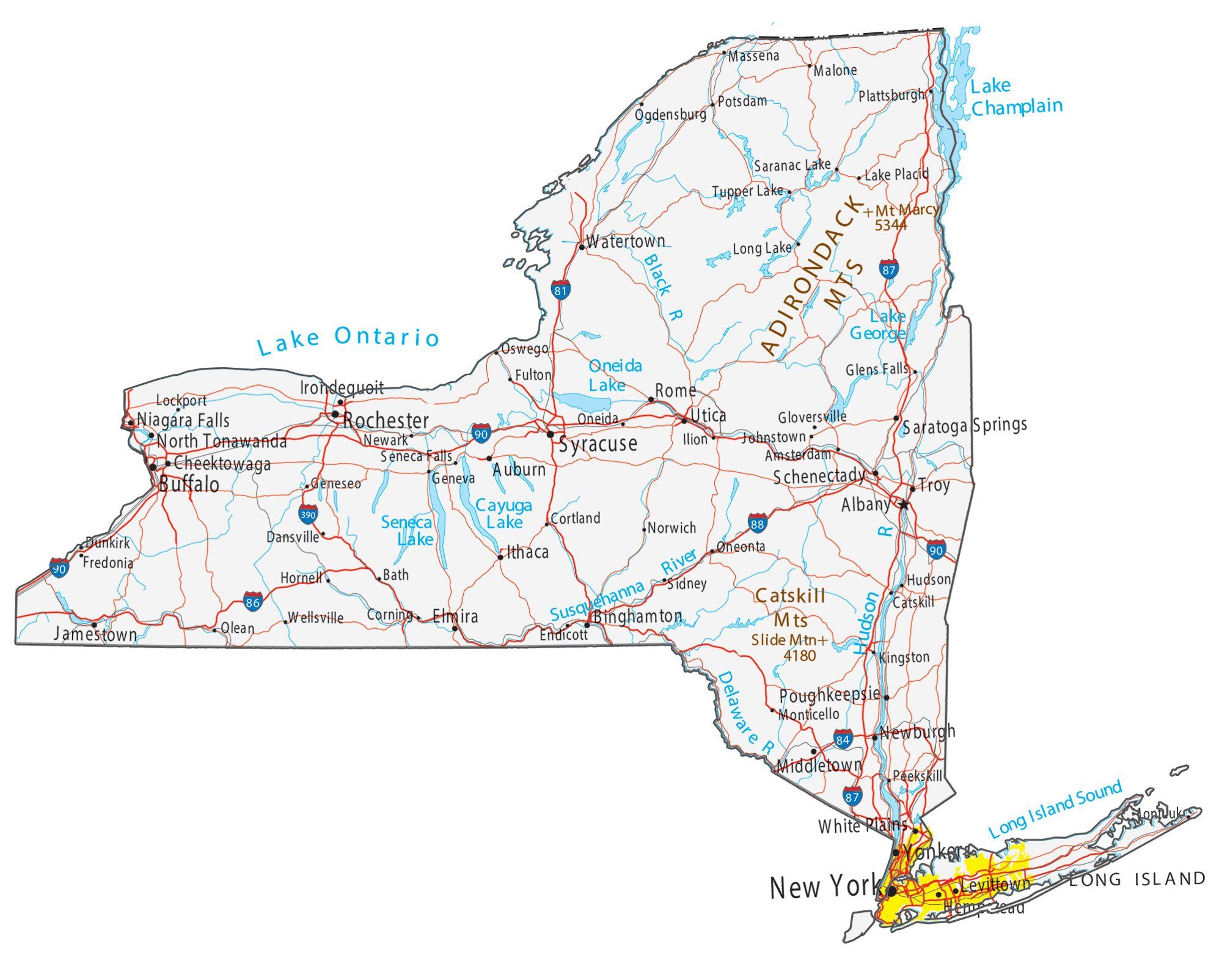
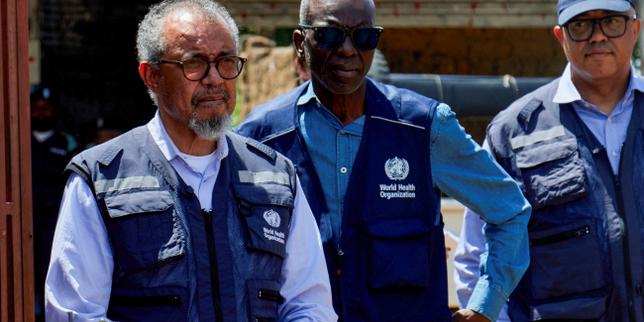
The rain in Mubende does not fall; it heavy-drops from a bruised sky, turning the red Ugandan earth into a thick, clutching clay. Inside a makeshift isolation tent, the only sound is the rhythmic, plastic rustle of personal protective equipment. A health worker breathes heavily behind a fogged visor. Beneath her, a patient shifts. The movement is slight, but it carries the terrifying weight of a disease that dissolves a body from the within.
This is not a abstract data point. This is the frontline of the Sudan ebolavirus outbreak.
When a virus like Ebola strikes, the world tends to look at the scoreboard. We count the infections. We tally the dead. We watch the graphs tick upward with a detached sense of dread. But a virus does not care about charts. It operates in the space between human connections—a handshake at a funeral, a mother wiping her child’s fevered brow, a local doctor doing his best with a shortage of gloves.
The standard news reports will tell you that the World Health Organization and the Africa Centres for Disease Control and Prevention have launched a $518 million response plan. They will tell you the death toll is rising. They will give you the cold anatomy of a crisis. What they miss is the terrifying calculus of containment, and the sheer human effort required to stop a microscopic killer before it hitches a ride on a bus to Kampala, or boards a flight out of Entebbe.
The Ghost in the Serum
To understand why this specific outbreak causes sleepless nights from Geneva to Nairobi, you have to understand the monster itself. This isn't the Zaire strain of Ebola—the one we fought in West Africa, the one for which we successfully engineered highly effective vaccines like Ervebo.
This is the Sudan strain.
Against the Sudan variant, our existing medical armory is largely empty. There is no approved vaccine ready to ship by the millions. There is no standard therapeutic cure waiting on pharmacy shelves. When it enters a community, doctors are forced to rely on supportive care—hydration, managing blood pressure, treating secondary infections—while the patient's own immune system fights a desperate, chaotic war.
Imagine standing on a battlefield where your most advanced weapons suddenly do not work, and you are forced to fight with whatever you can find on the ground. That is the reality for Ugandan medical teams.
The stakes are personal. Consider a hypothetical local clinician named Dr. Robert. He knows the science. He understands transmission vectors. But when a neighbor shows up at his clinic vomiting and weak, the clinical distance evaporates. In small towns, anonymity is a luxury nobody possesses. To isolate a patient is to remove them from their family at the moment they are most terrified. To trace a contact is to label a household, sometimes inviting stigma from a community driven by fear.
The disease fractures the very fabric of how people live and grieve. In many communities along the Ebola belt, traditional burial practices involve washing and kissing the body of the deceased. It is a final, profound act of love. But Ebola fills a corpse with a viral load so high that touching the skin is an act of unintended suicide. Containment requires health workers in white hazmat suits to take the body away in zipped bags, denying families their final goodbyes. The pain of this loss is a quiet, parallel epidemic.
The Half-Dollar War
The $518 million joint initiative by the WHO and the Africa CDC sounds like an astronomical sum. It is easy to view it as a massive wall of cash thrown at a problem. But break that number down into the dirt and sweat of reality, and the illusion of wealth disappears.
Where does that money actually go?
It goes to the unglamorous, exhausting infrastructure of survival. It buys fuel for ambulances that must navigate roads turned to soup by the rains. It pays for plastic sheeting to build triage zones so a child with malaria isn't accidentally placed next to a person shedding Ebola. It funds the training of burial teams who must learn to handle dead bodies with the precision of bomb disposal experts.
But the most critical allocation is for contact tracing.
When a single case is confirmed, an invisible clock starts ticking. A team must track down every single person that patient interacted with over the past three weeks. Did they take a motorcycle taxi? Who sat next to them? Did they go to the market? Who sold them the cassava?
A single missed contact can spark a brand-new chain of transmission twenty miles away. Contact tracers are detectives in a race against an enemy that leaves no footprints until it is too late. They walk for miles, knocking on doors, asking questions, managing anger, soothing panic. They are the true barrier between a contained outbreak and a continental catastrophe.
The Risk of Looking Away
There is a historical amnesia that settles over the global north whenever an outbreak occurs in Africa. The prevailing attitude is often one of distant pity, seasoned with a comfortable assumption that the problem is contained by geography.
This is a dangerous delusion.
The modern world is hyper-connected by veins of asphalt and flight paths. Mubende is connected to Kampala by a major highway, a bustling artery of trade and travel. From Kampala, the rest of East Africa is just a drive away. From there, the world. An infection in a rural village can become an international emergency within forty-eight hours.
The investment of $518 million is not an act of charity. It is an act of collective self-preservation.
When the Africa CDC steps up to lead alongside the WHO, it represents a crucial shift in how global health operates. For decades, the model was paternalistic—Western experts flying in to save the day, then flying out when the cameras left. That model failed. True containment relies on local leadership, institutional memory, and trust. A villager may not trust a foreign doctor speaking through an interpreter, but they will listen to a local elder or a community health worker who grew up in the next valley.
The current strategy focuses heavily on strengthening the defense systems of Uganda’s neighbors. Kenya, South Sudan, Rwanda, and the Democratic Republic of Congo are all on high alert. Screening points at borders are tightening. Thermometers are aimed at foreheads; health declaration forms are scrutinized. The goal is to build a ring of fire around the affected zones, keeping the virus boxed in while medical teams smother it at the source.
The Human Ledger
Behind the press releases and the diplomatic briefings, the death toll continues its quiet climb. Each number added to the official tally is a ruined home. It is a farmer who will never harvest his crops; it is a schoolteacher whose classroom sits empty.
The real tragedy of Ebola is that it weaponizes human kindness. It takes our deepest, most noble instincts—the urge to nurse a sick child, to comfort a dying parent, to honor the dead—and uses them as a bridge to destroy the next victim. To defeat it, communities must learn to distance themselves temporarily from the people they love most. They must treat their neighbors with a clinical suspicion that goes against every grain of human nature.
The rain eventually stops in Mubende, leaving the air thick, hot, and heavy. In the silence of the evening, the red dirt begins to dry. The health workers peel off their suits, drenched in sweat, their faces marked with the deep, red indentations of their goggles. They will rest for a few hours, and then they will put the suits back on.
The $518 million plan is a blueprint on paper, signed in carpeted rooms in Geneva and Addis Ababa. But its success or failure is being decided right now, in the mud, by people whose names we will never know, fighting a ghost we cannot see.