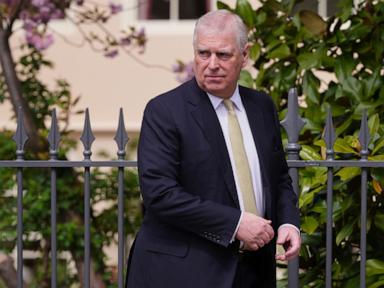
Prince Andrew has launched a high-stakes legal offensive to dismantle the search warrants that triggered a massive law enforcement sweep, marking another chapter in a relentless downward spiral for the disgraced royal. Former Prince Andrew filed legal action to quash warrants that led to searches, signaling a fierce attempt by the Duke of York to claw back whatever remains of his privacy and legal standing. This move is not merely a procedural quarrel over bureaucratic technicalities. It is an aggressive pushback from an isolated figure attempting to halt an investigative momentum that threatens to expose further vulnerabilities.
For years, the inner workings of royal accountability operated behind a velvet curtain of institutional protection. That curtain has been systematically shredded. When law enforcement agencies execute searches tied to high-profile figures, the paperwork behind those operations must withstand intense judicial scrutiny. By challenging the validity of these warrants, Andrew's legal team is betting everything on a technical knockout. If a judge rules the warrants defective, the evidence gathered during those searches could be deemed inadmissible, severely blunting the offensive capability of investigators.
Yet, this strategy carries immense political and public relations risk. Dragging these disputes back into open court ensures that the name Andrew Mountbatten-Windsor remains permanently linked to controversy. The public is weary of institutional shielding, and every motion filed in this case acts as a fresh reminder of past scandals that the British monarchy desperately wants to bury.
The Anatomy Of A Royal Subpoena
Understanding why this legal challenge matters requires looking closely at how search warrants are secured against prominent individuals. Law enforcement cannot simply knock on a gatehouse door with a generic suspicion. They must satisfy a magistrate that tangible, compelling evidence exists within the targeted premises. The threshold for raiding property associated with senior aristocracy historically involved layers of cautious diplomacy. Those days are gone.
When investigators secured the green light for the recent searches, they crossed a profound threshold. The legal apparatus demonstrated a willingness to treat royal residences with the same standard applied to any other citizen under suspicion. This shift explains the urgency behind the current legal action. Andrew's lawyers are not just fighting for documents or digital devices; they are fighting for the principle of royal exceptionalism. If the warrants stand, it establishes a dangerous precedent for anyone accustomed to administrative immunity.
The specific grounds for the challenge center on the scope and execution of the search orders. Defense filings frequently argue over breadth, claiming that investigators engaged in a fishing expedition rather than a targeted retrieval of specified items. This is a standard defense playbook. However, applying it to a member of the British royal family transforms a standard procedural hearing into a constitutional spectacle.
The Institutional Distance
Behind the scenes, Buckingham Palace continues its aggressive strategy of enforced distancing. The separation is absolute. Financial support has dried up, security details have been drastically scaled back, and every public association has been meticulously severed. When Andrew files these motions, he does so as a private citizen possessing a historic title, completely divorced from official royal machinery.
This institutional abandonment creates a fascinating dynamic. Without the protective cushion of state-funded legal teams and palace public relations advisors, the Duke is forced to rely on private counsel navigating uncharted waters. The cost alone is staggering, but the reputational toll is irreversible. Every memorandum submitted to the court is dissected by global media outlets, laying bare the defense strategy in real-time.
The monarchy under King Charles III has made it abundantly clear that modernization requires radical transparency and the removal of toxic liabilities. Allowing Andrew to fight his legal battles independently is not just a personal punishment; it is a structural necessity for the survival of the institution's public trust. The crown cannot afford to be stained by proxy.
Beyond The Courtroom Drama
While the legal briefs focus on the technicalities of probable cause and judicial authorization, the broader implications stretch far across the British legal landscape. This case tests whether the equality before the law principle applies with absolute force when the subject is born into supreme privilege.
If the courts dismiss Andrew's challenge, the investigation will press forward with the material seized during the contested raids. That material could open entirely new avenues of inquiry, transforming a localized legal dispute into a much broader reckoning. Conversely, a successful quashing of the warrants would represent a rare legal victory for the Duke, offering a temporary shield against further erosion of his personal security.
The narrative surrounding Prince Andrew has long transcended mere gossip. It is a slow-motion collision between traditional aristocratic privilege and modern accountability. As the judges weigh the arguments, the outcome will dictate not only the immediate fate of the Duke's personal effects and legal defenses, but also the enduring standard of how justice is administered to those who once stood above ordinary scrutiny. The gavel falls, and the remaining walls of silence crack just a little bit more.