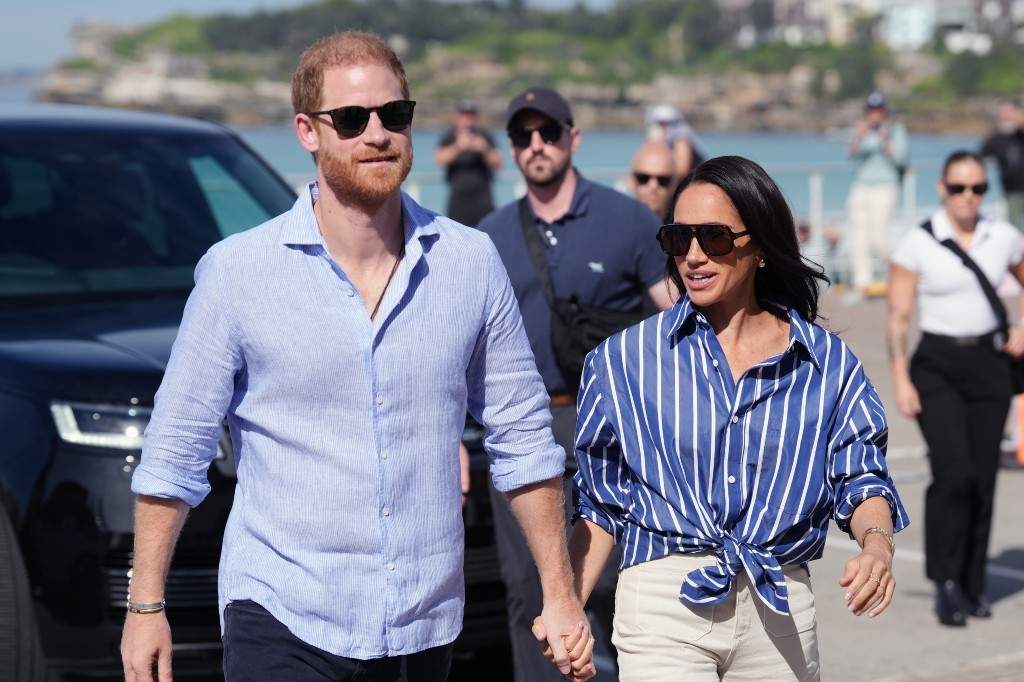
The gossip mills are spinning again. Every few months, royal watchers crank out the same tired fairy tale: Prince Harry is packing his bags, ditching California, and crawling back to Windsor with his tail between his legs. The lazy consensus among commentators is that Montecito has lost its luster, Hollywood rejected them, and a royal homecoming is right around the corner.
It is absolute nonsense.
Anyone buying this narrative fundamentally misunderstands what Harry and Meghan built when they torched the bridge behind them. They did not step back from royal duties to stage a slow-motion, penitent return. They engineered an escape hatch. And once you build a multi-million-dollar private enterprise funded by Netflix deals, Spotify detours, and speaking gigs, you do not throw it away to subject your kids to British press harassment and an institutional cold shoulder.
Let us dismantle the fantasy piece by piece.
The Myth of the Prodigal Son
The core argument of the return-to-Britain crowd relies on sentimentality. The premise goes that blood runs thicker than water, family trumps friction, and eventually, everyone gets nostalgic for tea and crumpets.
This is amateur psychology. Families locked in high-profile public warfare do not heal over a weekend roast. They harden their positions.
I have watched public relations crises unfold for decades, advising high-net-worth individuals and public figures on brand pivots. When a principal walks away from a legacy institution, the first two years are chaotic. They make missteps. They over-share. The media smells blood in the water and predicts immediate ruin. But if they survive the initial turbulence, a strange thing happens: they build an independent gravity well.
Harry and Meghan have crossed that threshold. They are no longer dependent on the Sovereign Grant or palace allowances. Their financial independence is real, even if the cash flow fluctuates. Moving back to the United Kingdom would mean surrendering that autonomy. It would mean stepping right back into a jurisdiction where their security is managed by government committees they cannot control, surrounded by a press corps that treats them like blood sport.
Why would anyone voluntarily walk back into the lion's den? They wouldn't. The rumor mill keeps churning this garbage out because conflict sells papers and drives clicks.
The Security Trap
Let us talk about the real currency of this entire feud: security.
People love to ask whether Harry will ever bring his family back to live on British soil full-time. The question itself is framed incorrectly. The issue is not about whether he wants to visit; it is about who pays for his protection.
Harry has fought tooth and nail in British courts to reinstate taxpayer-funded security for his family, losing battles and appealing decisions along the way. The British establishment has made its stance crystal clear. You leave the firm, you lose the free bodyguards.
If Harry were to move back, he would either have to accept compromised personal safety or fund a private security detail that would cost millions annually—a logistical nightmare in a country where paparazzi routinely track movements with impunity. The security stalemate alone makes a permanent relocation back to the UK a practical impossibility.
To ignore this financial and logistical barrier is to live in a fantasy world. The British press wants you to believe Harry is homesick. In reality, he is heavily guarded, legally estranged, and permanently settled across the Atlantic.
The California Reality Check
Critics love to paint Montecito as a gilded cage where the Duke and Duchess of Sussex sit around plotting their return. They point to shifting executive rosters at Archewell or canceled media contracts as proof of Hollywood failure.
Let us be honest about the entertainment business. Not every project hits. Major production companies suffer canceled deals every single day. That is the baseline of the industry, not a unique catastrophe reserved for exiled royals.
When you strip away the tabloid schadenfreude, the reality is starkly different. Harry plays polo, surfs, manages a burgeoning media production slate, and lives in a climate that does not require a trench coat twelve months a year. His children are growing up outside the suffocating goldfish bowl that destroyed his mother and nearly broke him.
Hollywood is transactional, yes. But it is also protective of its own. It offers anonymity through sheer scale—something the UK can never provide a senior royal, working or not.
The Unspoken Truth About Royal Relevance
The underlying fear driving these return rumors is that Harry and Meghan need the royal family more than the royal family needs them.
That calculus flipped the moment they signed their first commercial contracts. The British monarchy relies on institutional continuity, tradition, and an unblemished facade of duty. The Sussexes rely on attention, controversy, and global cultural footprint. You do not need a balcony appearance to command headlines; you just need to exist outside the system, lobbing grenades or launching new initiatives on your own terms.
A return to the UK would instantly neutralize their brand. The moment Harry becomes a resident British citizen again, he is back on the chessboard, subject to the gravitational pull of the crown. He becomes a supporting actor in a soap opera he spent millions of dollars and countless hours escaping.
He didn't burn down his old life just to apply for a role as a minor auxiliary royal handling ribbon-cutting ceremonies in Yorkshire.
Stop waiting for the royal reunion. It is not happening.