You don't wake up one morning and decide to stop trusting the water coming out of your kitchen sink. It's a slow burn. It starts when the stream turns a suspicious shade of brown after a heavy tropical downpour. It continues when the pressure drops to a pathetic trickle for three days straight, followed by months of intermittent service.
When mandatory water rationing hits the headlines, mainstream reports act like it's a sudden emergency caused strictly by the latest drought. That narrative misses the mark entirely. For the people living through it, trust in Puerto Rico's tap water evaporated long before officials started locking valves and rolling out water schedules. Recently making headlines recently: The Brutal Truth Behind Iran’s Dangerous Shift Toward Offensive War.
The Reality Behind the Pipe Network
The numbers tell a grim story about public utility management on the island. The Puerto Rico Aqueduct and Sewer Authority, known locally as PRASA or AAA, operates a system that loses roughly sixty percent of its treated water before it ever reaches a residential tap. Think about that. More than half of the clean, treated water pumped out of treatment plants leaks into the ground through cracked pipes, broken valves, and neglected infrastructure.
When you have a distribution network that leaks like a rusted sieve, water pressure drops constantly. And whenever pressure drops in a municipal water system, the risk of backflow and contamination skyrockets. Residents learned this the hard way years ago. Families living in San Juan and surrounding municipalities didn't need a government notice to tell them their water was unreliable; they had already spent months counting dry days, cleaning out sediment-clogged filters, and lugging heavy jugs just to cook dinner. Additional information regarding the matter are covered by Al Jazeera.
The Shadow of Hurricane Maria and Ongoing Neglect
Catastrophic storms like Hurricane Maria in 2017 exposed just how fragile the island's utilities really were. Parts of the interior went months without dependable service, and for many rural communities, the temporary fixes became permanent band-aids. Mountainous areas dependent on small, volunteer-run community water systems often operate entirely outside standard safety oversight, leaving thousands vulnerable to contamination and sudden shortages.
Even in urban centers, the crisis is systemic. Historical federal consent decrees and multi-million dollar fines against PRASA for Clean Water Act violations didn't happen in a vacuum. They were the legal fallout of decades of underinvestment, political mismanagement, and infrastructure decay that left consumers holding the bag.
Living With the Bottled Water Routine
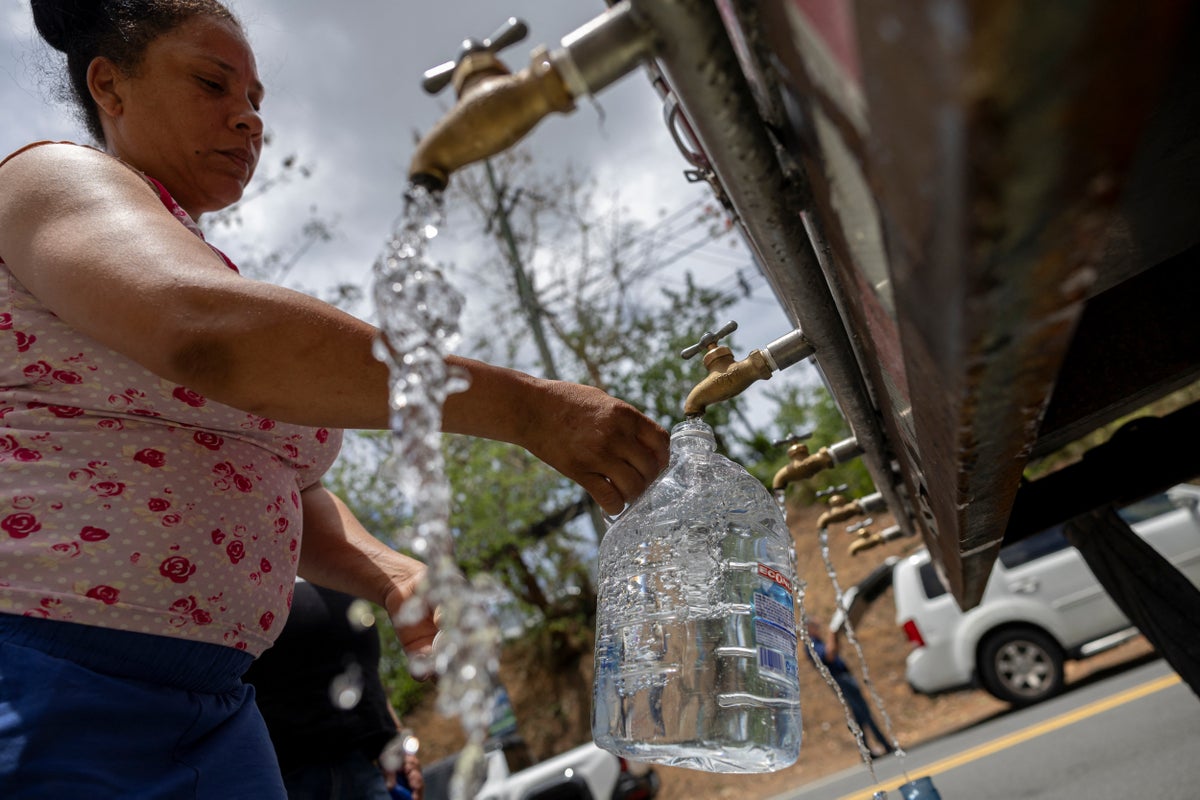
Ask any local resident about their kitchen setup, and you won't hear about fancy filtration pitchers meant for taste. You'll hear about stacks of heavy five-gallon jugs, emergency storage drums tucked into corners, and a strict mental calculation of how many bottles are left in the pantry. Buying bottled water isn't a luxury choice on the island; it's a fixed monthly utility bill just to stay hydrated and cook safely.
When rationing measures are officially declared—limiting service to every third day or cutting hours entirely—it merely formalizes a reality that communities have navigated informally for years. The rationing schedules announced by authorities often mean little to neighborhoods that have already been dry for weeks.
Fixing this crisis requires massive structural overhauls, billions in sustained infrastructure funding, and aggressive leak detection. Until those pipes are actually replaced and accountability becomes the standard, no press conference or drought management plan will convince residents to drink straight from the tap.
For a closer look at how broken infrastructure and severe drought collide on the island, you can watch this report on Puerto Rico's water crisis reporting.
/LouvresengchyeteoGettyImages-5a14669aaad52b00370c599e.jpg)