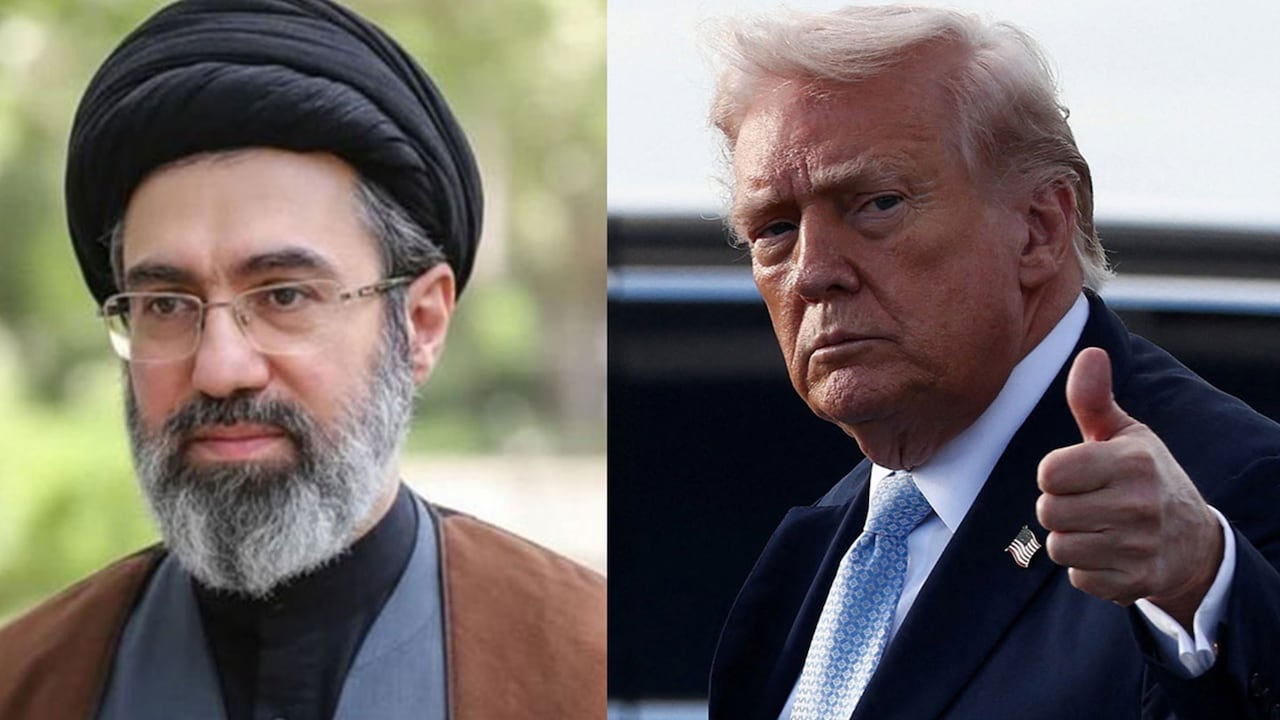
Mainstream media is collectively gasping at the news that the United States and Iran have agreed to halt fighting "for now" to debate a maritime plan for the Strait of Hormuz in Qatar. The commentators are already spinning tales of a diplomatic breakthrough, hinting at long-term regional stability and breathing a sigh of relief for global energy markets.
They are fundamentally misreading the board.
This isn't a breakthrough. It is a tactical pause disguised as progress, engineered by two adversaries who have realized that open conflict is temporarily bad for business, but for whom perpetual tension is highly profitable. The consensus view treats this "ceasefire" as the beginning of an end to hostilities. In reality, it is a recalibration of the theater. The Strait of Hormuz is not a problem to be solved; it is a permanent lever of global economic leverage that neither side intends to surrender.
The Flawed Premise of the Qatar Negotiations
Every major outlet is asking variations of the same naive question: "Will the Qatar talks finally secure the Strait of Hormuz?"
The premise itself is broken. Secure it for whom?
The Western policy establishment operates under the delusion that international waters want to be free and stable. They assume Iran wants a seat at the global table under standard rules. Decades of observing maritime friction in the Persian Gulf show otherwise. For Tehran, the ability to choke or threaten the Strait of Hormuz is its primary asymmetric asset. It is the only reason Washington takes their diplomats seriously. The moment Iran signs a permanent, ironclad agreement that genuinely neutralizes their threat to the shipping lanes, they lose 90% of their international relevance. They are not going to trade that leverage for vague promises of sanctions relief that any future US administration can rip up on day one.
Meanwhile, the US political apparatus benefits immensely from a controlled, low-boil crisis. It justifies a massive naval presence, solidifies military alliances with Gulf cooperation countries, and keeps domestic energy producers highly profitable by maintaining a geopolitical risk premium on crude oil prices.
Imagine a scenario where the Strait of Hormuz is completely depoliticized. Oil volatility drops. The massive risk premium vanishes. The justification for billions in weapon sales to the region evaporates. Neither Washington nor Tehran actually wants the absolute stability that the talking heads are celebrating. They want a predictable level of instability. Qatar is simply the venue where they negotiate the thermostat setting.
The Myth of the Energy Chokepoint Collapse
Let's look at the hard data that the standard reporting ignores. The panic surrounding the Strait of Hormuz always centers on the claim that a closure would instantly collapse the global economy by blocking 20% of the world's petroleum liquids.
This is a gross oversimplification.
First, a total blockade is logistically impossible for Iran to sustain against a modern navy for more than a few days, and they know it. Second, the global energy architecture has adapted. The rise of American shale, expanded pipeline infrastructure bypassing the strait—such as Saudi Arabia’s East-West Pipeline and the UAE's Habshan-Fujairah line—and strategic petroleum reserves mean the world can buffer short-term shocks far better than it could during the tanker wars of the 1980s.
The real game isn't about physical barrels of oil being trapped; it is about paper trading and insurance premiums. When a commercial vessel is targeted, the Lloyd’s Market Association Joint War Committee adjusts its breach areas, and war risk insurance premiums skyrocket. This cost is passed down the line. The current talks in Qatar aren't about international law or peace; they are an economic negotiation between state actors trying to manage the cost of shipping insurance and sovereign risk profiles.
The Downside of Disruption
Taking a contrarian view requires admitting the risks. If you accept that this ceasefire is a farce, the alternative is bracing for inevitable, localized flare-ups. Investors and shipping conglomerates cannot rely on diplomatic headlines to plan their routes or hedge their positions. The downside of acknowledging that peace is not the goal means accepting that maritime security in the Middle East is now a permanent operational expense, not a temporary crisis to wait out.
I have watched maritime logistics firms burn through millions of dollars waiting for "diplomatic resolutions" that never materialize. They hold ships in port, pay exorbitant demurrage fees, and gamble on political rhetoric. The operators who survive and thrive are those who assume the rhetoric is noise, price in the chaos, and treat the Strait of Hormuz as a permanently volatile zone, regardless of what smiling diplomats say on a balcony in Doha.
The Deception of "For Now"
When two nations agree to stop shooting "for now," it means they have run out of immediate resources, domestic political support, or strategic justification for the current round of violence. It does not mean they have changed their mind about each other.
The upcoming discussions in Qatar regarding the Hormuz plan will likely yield a highly publicized, incredibly vague memorandum of understanding. It will be hailed as a triumph of mediation. Do not buy the hype. The underlying structural drivers of the conflict—Iran's regional proxy strategy and the United States' insistence on enforcing a unipolar security framework—remain untouched.
Stop looking at the Qatar talks as a step toward peace. Start looking at them as a corporate restructuring of a long-standing joint venture in geopolitical risk. The theater is simply moving from the high seas to the air-conditioned conference rooms of Doha, but the script remains exactly the same.

:max_bytes(150000):strip_icc()/parts-of-a-swamp-cooler-2718628-a477e6f0787b4f8bb62ddf2def31d495.png)