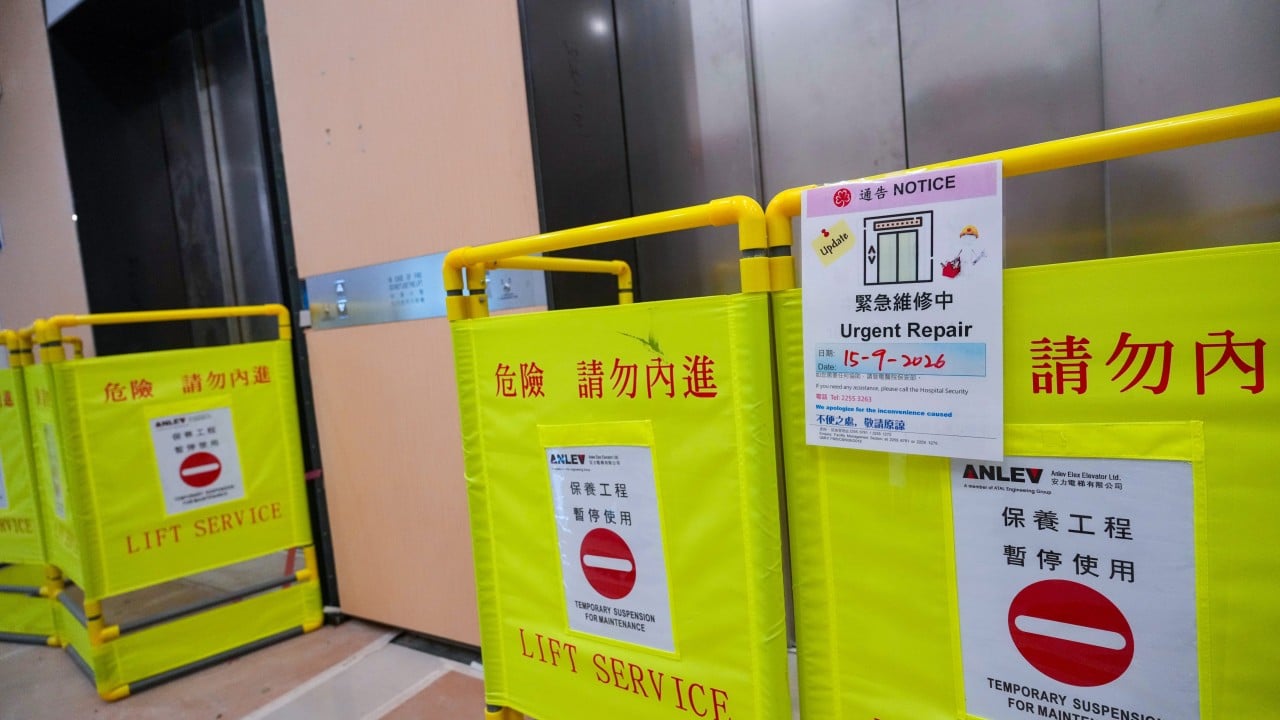
When a court hands down a light penalty for a major infrastructure scandal, public outrage usually follows close behind. That is precisely what happened when a registered lift engineer walked away with just 160 hours of community service after improperly issuing safety certificates for dozens of elevators. Now, legal authorities are pushing back hard against that leniency.
The core issue centers around the brand-new clinical block at Queen Mary Hospital, where out of 28 lifts installed, an alarming number suffered from severe operational defects, erratic starts, and door failures. Instead of thoroughly inspecting the machinery as mandated by the Lifts and Escalators Ordinance, the responsible engineer submitted false or misleading documents to push the systems through. When someone cuts corners on vertical transportation inside a major medical facility, patient safety is put directly on the line.
The Breakdown of Accountability in Major Public Works
Public infrastructure projects are supposed to have layers of oversight. Multiple government departments and private contractors share the burden of making sure buildings are safe before doors open to patients. Yet, the Queen Mary Hospital fiasco exposed a systemic failure where checks were skipped and red flags were completely ignored.
The engineer in question, Law Wing-chai, was convicted of issuing improper safety certificates and submitting misleading paperwork. While his professional registration faced revocation, the initial sentence of community service felt like a slap on the wrist given the scale of the crisis. Legal experts and government prosecutors argue that non-custodial sentences fail to deter professional negligence in critical public construction projects.
Why Legal Authorities Are Pursuing an Appeal
When sentences do not match the gravity of an offense, prosecutors step in to protect public trust. Allowing professionals to falsify safety declarations without facing real prison time creates a dangerous precedent. If engineers believe they can bypass rigorous testing on hospital elevators and escape with community service, safety standards across the entire construction industry will collapse.
The push to appeal this lenient sentence is about establishing a clear boundary. Hospitals are high-stakes environments. Stalled lifts, misaligned doors, and sudden drops disrupt emergency patient transfers and threaten lives. Prosecutors want the appellate court to recognize that endangering public health through fraudulent engineering sign-offs demands a custodial sentence.
Fixing the System Beyond the Courtroom
Punishing one engineer won't fix a broken procurement and oversight chain. Government departments, including the Architectural Services Department, have faced heavy scrutiny for failing to check mandatory works checklists. Letting departments shift blame onto subordinates or individual contractors is no longer acceptable.
Real reform requires strict enforcement of safety laws, independent audits of contractor work, and zero tolerance for falsified paperwork. If you ignore the root causes of shoddy workmanship, similar scandals will keep happening in future public developments.
Take a close look at how regulatory bodies handle this appeal. The final ruling will set the benchmark for engineering accountability for years to come.