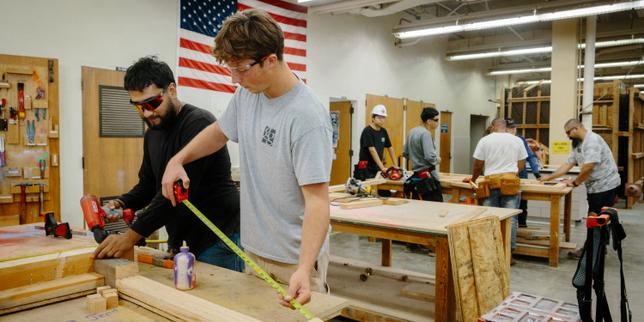
The fluorescent lights in a small textile workshop in Tiruppur buzz with a low, persistent hum. It is 3:00 AM, and the air smells faintly of cotton dust, machine oil, and strong cardamom tea. Let us call the man standing beside the cutting table Rajesh—a hypothetical composite of thousands of mid-sized Indian exporters who spend their lives staring at shipping manifests and currency exchange rates.
For twenty years, Rajesh has watched his finest organic cotton shirts travel six thousand miles to Rotterdam, only to hit a wall at the European border. That wall is not made of brick. It is made of a twelve percent import tariff. By the time his shirts reach a boutique in Paris or Munich, that invisible tax has priced him out of the market, handing the shelf space to competitors from Bangladesh or Vietnam who enjoy zero-duty access.
Four thousand miles away, in a precision-engineering plant outside Stuttgart, a hypothetical manager named Elena faces the mirror image of Rajesh’s frustration. Her company builds high-efficiency industrial turbines. India’s booming manufacturing sector desperately needs her technology, yet steep Indian customs duties—sometimes climbing past thirty percent—make her machines prohibitively expensive for the very factories trying to modernize.
Both Rajesh and Elena have been trapped in the same diplomatic purgatory for nearly two decades.
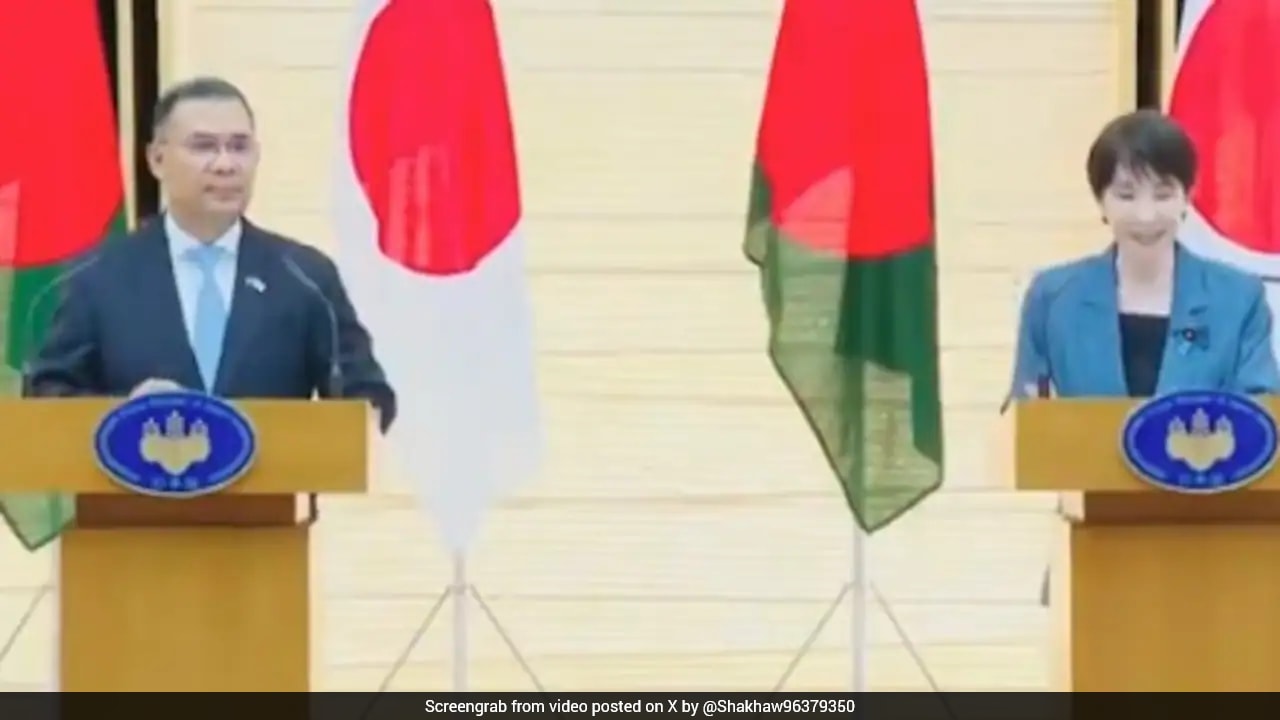
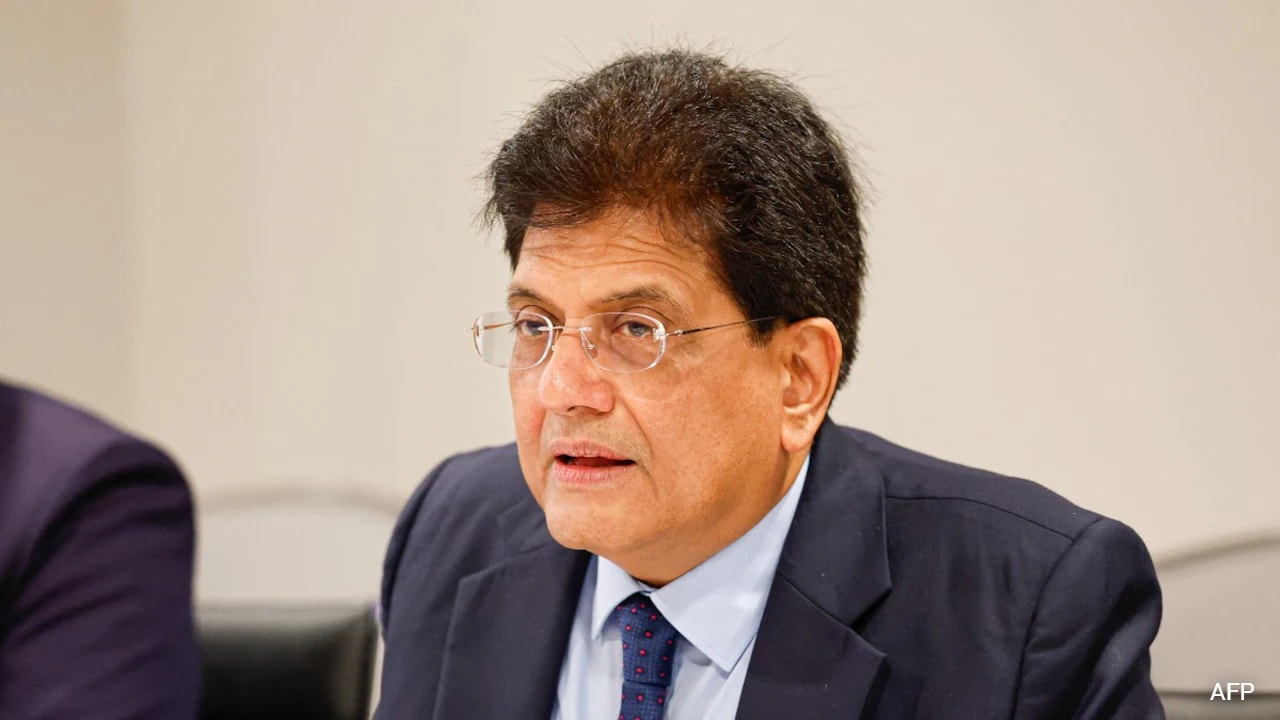
When India’s Commerce and Industry Minister, Piyush Goyal, recently described the long-awaited India-European Union Free Trade Agreement as a "win-win for all," the headlines treated it like another dry bureaucratic milestone. Reporters quoted tariff percentages, bilateral trade volumes, and negotiation rounds. They missed the pulse entirely. Behind the sterile language of international trade policy lies one of the most consequential economic shifts of the twenty-first century—a pact uniting two billion people and nearly a quarter of the global economy.
To understand why this handshake matters, you have to strip away the diplomat-speak and look at what happens when two massive, stubbornly protective economic engines finally decide to lower their drawbridges.
The Architecture of a Twenty-Year Stalemate
Trade deals rarely fail because of malice; they fail because of fear. Since negotiations first sputtered to life in 2007, Brussels and New Delhi talked past each other like two strangers speaking different dialects of capitalism.
I remember walking through the crowded trade fairs in Pragati Maidan years ago, listening to Indian manufacturers talk about European trade negotiators with a mixture of suspicion and exhaustion. To them, Europe looked like a fortress disguised as a free market—a bloc eager to sell luxury cars and Scotch whisky to India’s growing middle class while locking Indian pharmaceuticals, textiles, and software engineers behind endless regulatory red tape.
Europeans held their own anxieties. Brussels worried about flooding its markets with low-cost Indian agricultural goods and generics, while demanding ironclad intellectual property protections and strict environmental standards that Indian small businesses simply could not afford overnight. Negotiations froze entirely in 2013. For almost ten years, the file gathered dust.
Then the world broke.
A global pandemic shattered supply chains that had taken forty years to build. Geopolitical fractures turned single-source manufacturing into a dangerous liability. Suddenly, relying on a single workshop floor in East Asia looked less like efficiency and more like vulnerability. Europe needed a trusted, democratic counterweight to diversify its supply lines. India needed massive capital investment, advanced green technology, and open export markets to absorb millions of young workers entering its labor force every year.
Necessity did what diplomacy alone never could. When talks relaunched in 2022, the tone had shifted from suspicion to urgency.
Think of Tariffs Like Friction in an Engine
If you have never worked in customs brokerage or international logistics, trade agreements can feel impossibly abstract. Why should an ordinary consumer in Chicago, Berlin, or Bengaluru care about Harmonized System codes and rules of origin?
Think of tariffs as sand poured into the gears of a global engine. Every time a shipping container crosses a border and gets slapped with a ten, twenty, or fifty percent duty, that cost does not vanish into thin air. It gets baked into the price of your morning coffee, the medicine in your cabinet, the car in your driveway, and the wages paid to the person who assembled your smartphone.
When Piyush Goyal calls the India-EU pact a "win-win," he is pointing to a rare structural complementarity. Unlike trade deals between two economies that make the exact same things—where one country’s gain almost always means another’s factory closure—India and the European Union largely make what the other lacks.
Consider what happens when the sand is washed out of those gears:
- The Labor-Intensive Surge: India excels at sectors that employ millions of people—textiles, garments, leather goods, gems, jewelry, and marine products. Under existing EU rules, Indian exporters have bled market share to countries with preferential trade status. Eliminating those duties immediately restores price competitiveness for millions of workers across Tiruppur, Surat, and Kanpur.
- The High-Tech Transfer: Europe is an engineering powerhouse. From German machine tools and French aerospace components to Danish wind-turbine technology, European firms hold the exact hardware India needs to build out its infrastructure and meet its clean-energy targets. Lowering Indian import duties makes modernizing an Indian factory dramatically cheaper.
- The Services Lifeline: India is the back office and R&D lab of the modern world. Yet Indian IT professionals, architects, and engineers have long struggled with a patchwork of twenty-seven different European visa regimes and qualification rules. A comprehensive pact opens pathways for seamless movement of skilled talent, allowing Indian software firms to integrate directly into European digital transformations.
It sounds effortless on paper. On the factory floor, the reality is far messier.
The Invisible Friction Behind the Headlines
Let us be honest about the fine print, because blind optimism is the enemy of good business. Even when tariffs drop to zero, trade is never completely frictionless.
Ask any exporter who has tried to ship mangoes or generic drugs into Rotterdam, and they will tell you that tariffs are only half the battle. The real hurdle lies in non-tariff barriers—the labyrinth of sanitary inspections, carbon border taxes, and technical certifications that Europe enforces with religious zeal.
Take the European Union’s Carbon Border Adjustment Mechanism, known in trade circles as CBAM. Beginning in earnest this year, Europe has started taxing imported steel, aluminum, and cement based on the carbon emitted during their production. For an Indian steelmaker relying on coal-fired power, a zero-tariff trade deal means very little if a green border tax slaps a twenty-five percent penalty right back onto the shipment.
And what about India’s dairy farmers and wine producers? New Delhi has fought tooth and nail to keep sensitive agricultural sectors—especially dairy—walled off from subsidized European conglomerates that could wipe out millions of rural livelihoods in a single season. Meanwhile, European winemakers and automakers have demanded steep cuts to India’s triple-digit import taxes on luxury spirits and vehicles.
Every trade deal is a high-wire act of political pain. You trade away protection for one domestic lobby in exchange for market access for another. Minister Goyal’s insistence on a "fair, equitable, and balanced" agreement is code for a brutal truth: India will not sacrifice its small farmers or its generic pharmaceutical industry—the pharmacy of the developing world—just to sell more shirts in Milan.
Why This Matters Far Beyond Brussels and New Delhi
Step back from the bilateral ledger for a moment and look at the map. The global trading system is fracturing into regional blocs. Protectionism is back in fashion from Washington to Beijing, and the World Trade Organization has spent years paralyzed by disputes.
Against that backdrop, an agreement connecting the world’s largest single market with the world’s most populous democracy sends an unmistakable signal. It proves that massive, complex economies can still negotiate rules-based trade without resorting to trade wars or economic coercion.
For global supply chains, the implications are immediate. Multinational companies looking to build a "China-plus-one" manufacturing strategy have often hesitated to commit billions to India because shipping finished goods out of Indian ports into Western markets carried tariff penalties. With European market access locked in, India suddenly becomes an infinitely more attractive hub for global electronics, automotive components, and specialty chemicals.
More importantly, it changes the psychological calculus for entrepreneurs on both sides.
Return for a moment to that humming workshop in Tiruppur. When Rajesh looks at his order book next season, he will no longer have to shave his profit margins to the bone just to offset a twelve percent border tax in Antwerp. He can afford to upgrade his looms, pay his pattern-makers a little more, and compete on the quality of his weave rather than the desperation of his pricing. And in Stuttgart, Elena can finally bid on tenders for India’s expanding high-speed rail and renewable energy grids without watching her proposals die on a customs calculator.
History rarely announces its turning points with trumpets. Usually, they arrive in the form of dense legal texts, signed in quiet rooms by tired negotiators drinking lukewarm coffee, before rippling outward into workshops, ports, and kitchen tables across two continents.
The ink is barely dry, and the hardest work of implementation still lies ahead—written in the thousands of shipping containers currently resting on the docks of Mumbai and Hamburg, waiting for the cranes to lift them into a slightly more open world.