Diplomacy is rarely a matter of grand, sweeping gestures shouted from marble balconies. More often, it sounds like the dull click of a leather briefcase closing in a quiet office, or the steady scratching of a fountain pen against heavy cotton paper. It lives in the subtle tilt of a head across a mahogany negotiating table, the careful choice of an adjective in a joint communiqué, and the unspoken weight of history sitting heavy on the shoulders of two neighboring nations whose fates are inextricably, sometimes painfully, bound together.
When a career diplomat prepares to pack up a lifetime of accumulated memories, porcelain teacups, and classified briefing folders to take up a new post, the world outside usually keeps turning without missing a beat. Commuters rush through damp morning air; tea stalls hiss with boiling milk and cardamom; border gates swing open and shut to the rhythm of customs stamps. Yet, beneath that ordinary surface, gears shift.
Consider what happens when the diplomatic baton changes hands in the capital of South Asia’s most complex geopolitical corridor.
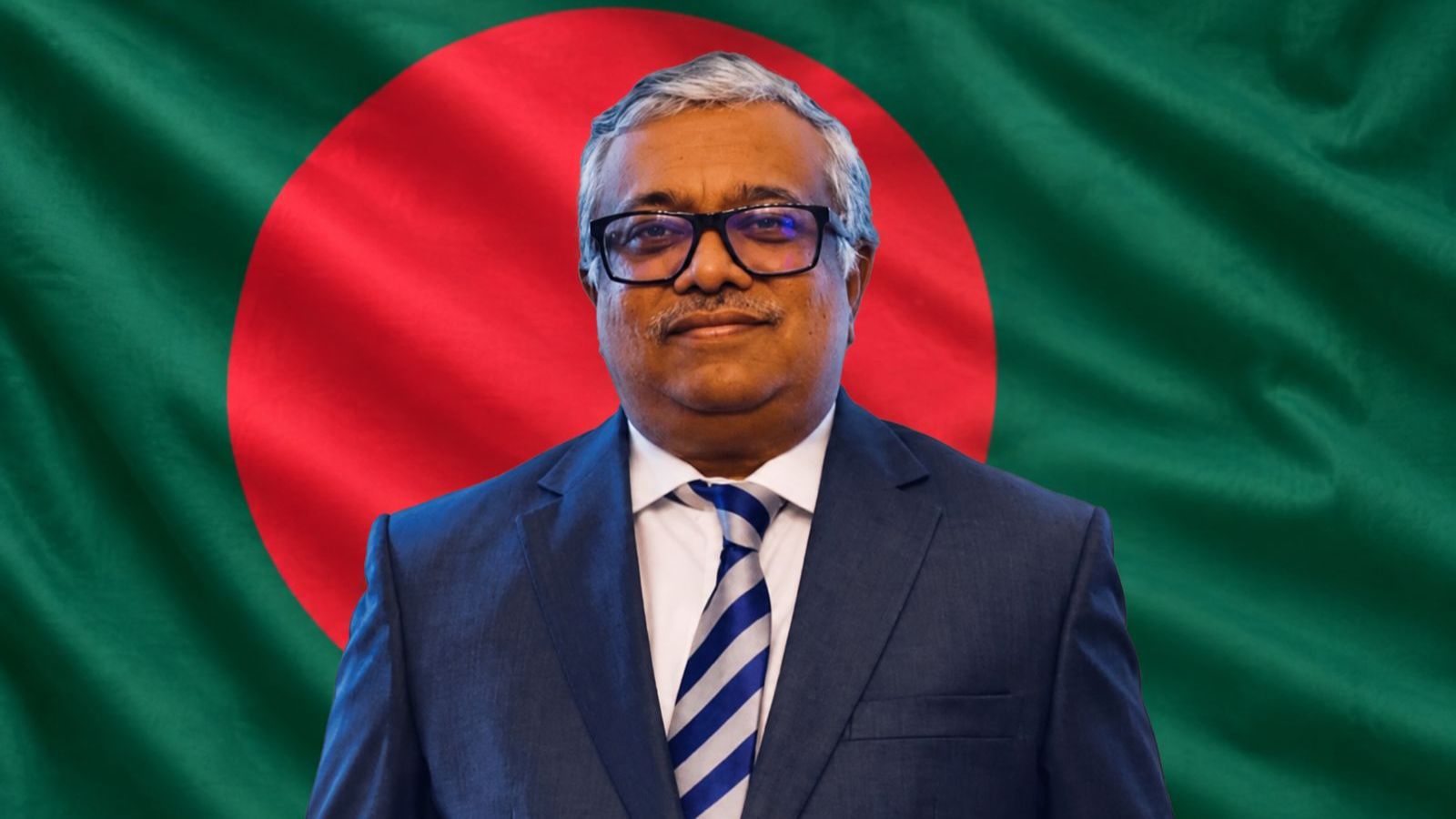
Asad Alam Siam is stepping into one of the most sensitive, high-pressure roles in modern South Asian foreign service: the new envoy representing Bangladesh in New Delhi. To reduce this transition to a dry bureaucratic appointment—a mere line item in a government gazette—is to miss the entire heartbeat of modern international relations. This is not just about credentials presented on polished parquet floors. It is about the management of a living, breathing border shared by millions, a relationship where a single misspoken word can ripple through stock markets, editorial boards, and village marketplaces alike.
The Weight of a Quiet Room
To understand why this matters, you have to step away from the satellite maps and look at the human scale of statecraft.
Picture a room in Dhaka where late-afternoon sunlight cuts through the dust motes, illuminating stacks of briefing notes detailing water-sharing treaties, transit logistics, trade deficits, and regional security protocols. Across the desk sits a diplomat who has spent decades watching the weather patterns of international politics. Every diplomatic posting is a crucible. You arrive as a stranger carrying the hopes of your homeland; you leave either as an architect of enduring peace or a footnote in a strained archive.
The relationship between Dhaka and New Delhi is unlike almost any other on the map. It is intimate, complicated, and intensely emotional. Families have roots that stretch across borders drawn by hurried men with cartography pens decades ago. Cultural affinities run deep—shared literature, shared music, shared culinary arguments over the exact composition of a proper fish curry or the best way to brew tea.
Yet, proximity breeds friction. Trade imbalances, border management issues, transit rights, and geopolitical currents swirling from distant superpowers all press down on the bilateral desk.
This is where Asad Alam Siam finds himself now.
The Anatomy of an Envoy
What makes a good ambassador in a pressure cooker? It is rarely theatrical brilliance. More often, it is the quiet art of listening.
In diplomatic corridors, an envoy is essentially a human bridge. If the bridge is too rigid, it snaps under the weight of political tremors. If it is too flexible, it sways uncontrollably with every gust of domestic populism. The ideal diplomat possesses a rare psychological dual citizenship: fiercely loyal to the capital they represent, yet empathetic enough to understand the domestic pressures, fears, and strategic imperatives of the host nation.
When a new High Commissioner is named, observers in both capitals immediately scan their CVs for clues. They look at past postings, crisis management track records, and personal temperament. Is this a person who prefers the safety of protocol-bound receptions, or someone willing to pick up the phone at two in the morning to de-escalate a brewing misunderstanding?
Asad Alam Siam arrives in New Delhi with a reputation forged through years of navigating intricate multilateral and bilateral currents. His previous assignments have tested his capacity for nuance. But New Delhi is a different beast. It is a sprawling, hyper-cautious, intellectually ferocious diplomatic hub where every whisper is amplified and every gesture is scrutinized by think tanks, intelligence agencies, and voracious newsrooms.
The Invisible Stakes on the Ground
Walk along the borderlands in western Bangladesh or eastern India, and you will feel the reality behind the diplomatic titles.
Here, fences meet fertile agricultural fields. Border guards share nods across the line while villagers farm plots separated by a few strands of concertina wire. Trucks rumble across land ports, carrying garments, machinery, food grains, and raw materials that feed the economic engines of both countries. When relations are warm and communication channels are clear, commerce flows smoothly, and the border feels porous in the best possible way—a meeting place rather than a barrier.
When diplomatic channels freeze or mutual suspicion takes root, those same border crossings become bottlenecks of anxiety. Delays mount. Visa processing slows to a crawl. Fishermen straying across maritime or riverine boundaries find themselves caught in bureaucratic limbo.
This is the human cost of diplomacy. It is not measured in abstract GDP percentages or strategic communiqués. It is measured in whether a student can get a medical visa in time for life-saving surgery across the border. It is measured in whether a textile exporter can clear customs before their seasonal window closes. It is measured in the quiet peace of mind of millions who simply want to live alongside their neighbors without the constant hum of political hostility.
The Art of the Long View
Foreign policy is an exercise in patience. It requires planting trees under whose shade you may never sit.
As Siam steps into his new role, the geopolitical chessboard is more volatile than it has been in decades. Global powers vie for influence across the Indo-Pacific. Economic headwinds test domestic stability across South Asia. Navigating these turbulent waters requires an uncommon blend of strategic clarity and diplomatic dexterity.
Yet, the most enduring successes are often built on mundane foundations. It is the unglamorous work of smoothing out minor trade friction before it festers into a trade war. It is the steady cultivation of back-channel trust so that when a crisis hits, leaders do not have to shout at each other through megaphones.
The transition of an envoy is a moment to pause and reflect on this machinery of peace. It reminds us that behind every headline about regional alliances and summit meetings are flesh-and-blood individuals sitting across from one another, drinking tea, measuring words, and deciding whether tomorrow will be a little safer than today.
The leather briefcase closes. The flight is booked. The welcoming committee in the foreign capital prepares its reception lines. And somewhere out there, along the winding rivers and crowded rail lines connecting two proud nations, the quiet, daily work of living together continues.


