The closure of the Rafah crossing is not merely a logistical bottleneck in a localized conflict. It is a strategic lever being pulled in a much larger, more dangerous game involving Jerusalem, Tehran, and Washington. While official statements often cite security imperatives or immediate tactical threats, the reality is that the movement of goods and people at this specific border point has become a barometer for the entire Middle East’s stability. When the gates at Rafah swing shut, it is frequently a precursor to, or a direct consequence of, shifts in the shadow war between Israel and Iran.
To understand why this matters now, one must look past the immediate headlines. The crossing serves as the primary artery for civilian life in Gaza, but for military planners, it is a point of extreme vulnerability and immense political pressure. By shutting it down during periods of heightened tension with Iran, Israel is signaling a total theater posture. This is a message that the border is no longer just about managing a local insurgency; it is about securing a perimeter in anticipation of a wider, multi-front confrontation.
The Geography of Pressure
Rafah is unique because it is the only exit from the Gaza Strip that does not lead directly into Israel. It leads to Egypt. This makes it a diplomatic minefield. For decades, the crossing has been a point of contention involving the Palestinian Authority, Hamas, Egypt, and Israel. However, the current closure represents a departure from the historical norm. In the past, closures were usually responses to specific tunnel discoveries or suicide bombings. Today, the timing suggests a broader defensive "turtle" maneuver.
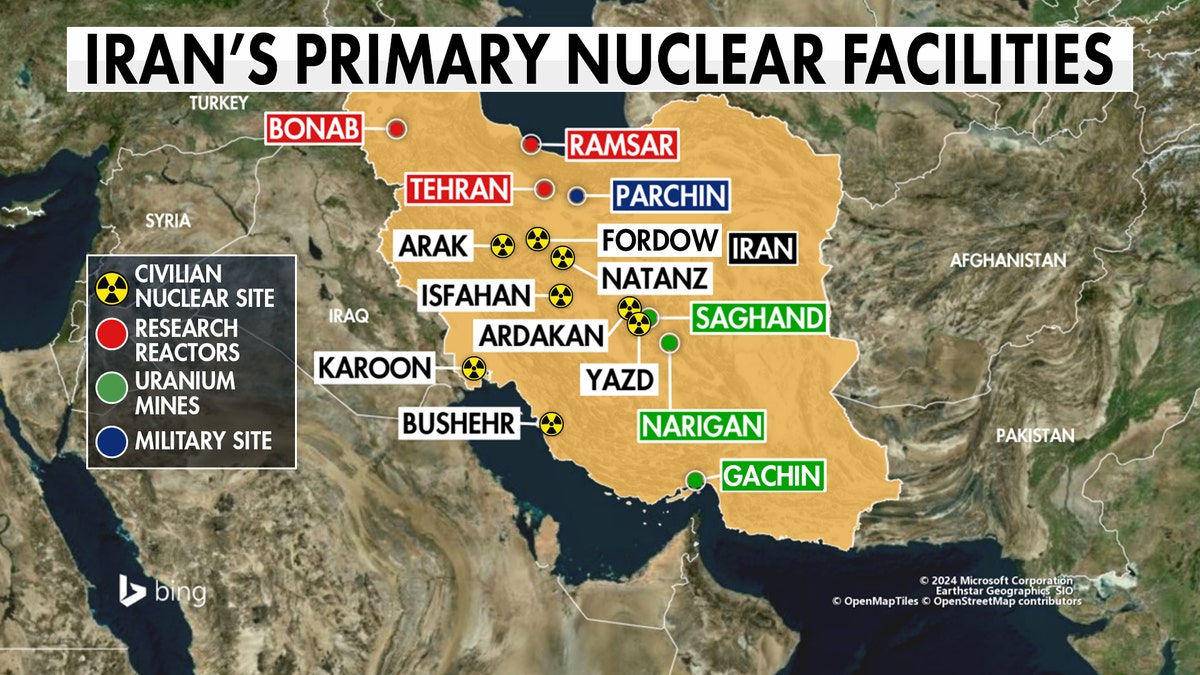
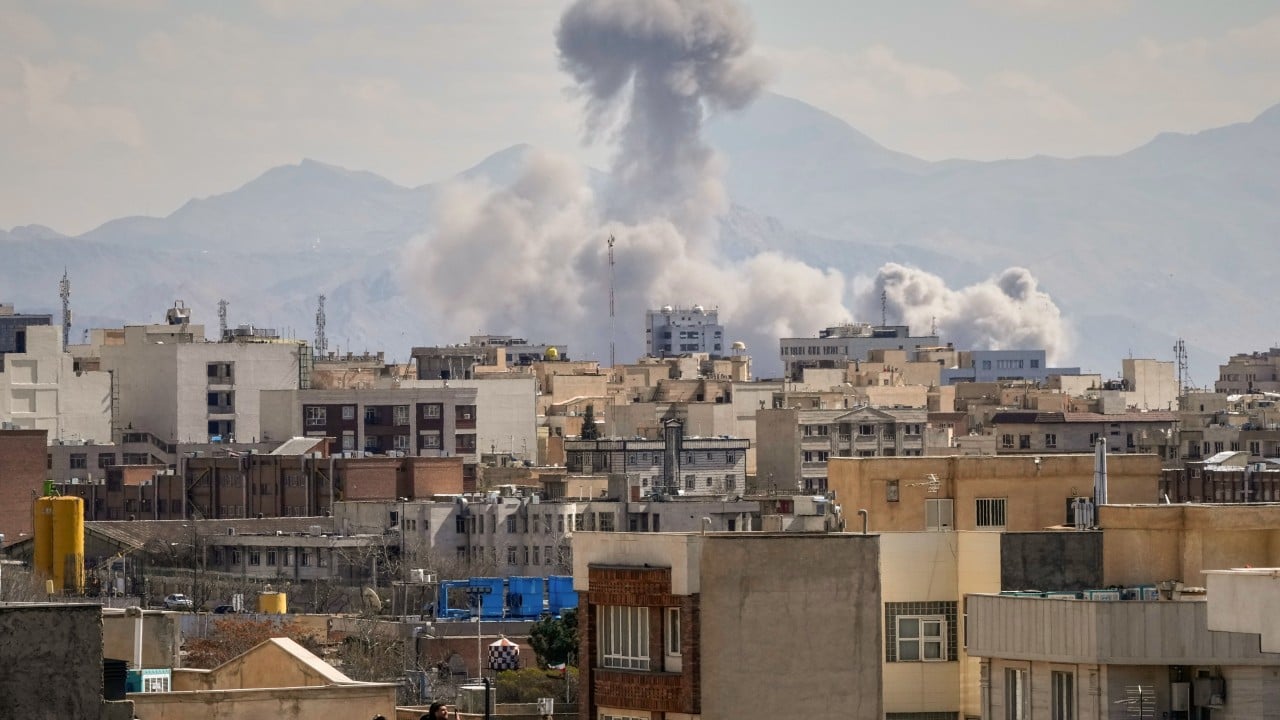
When Israel conducts strikes against Iranian assets—whether those are drone manufacturing sites in Isfahan or logistical hubs in Syria—the immediate concern is the "ring of fire." This refers to the network of Iranian-backed proxies surrounding the Israeli state. Gaza is a critical piece of that ring. By sealing Rafah, the Israeli Defense Forces (IDF) aim to freeze the board. They are attempting to prevent any potential influx of advanced weaponry or the exit of high-value targets while the military’s primary focus is redirected toward the north or the east.
It is a brutal form of risk management. The humanitarian cost is immense, as the crossing is the lifeblood for food, medicine, and fuel. Yet, from a purely military standpoint, an open border during a potential regional war is seen as an unacceptable gap in the armor.
The Tehran Connection
The "why" behind these simultaneous events—attacks on Iranian infrastructure and the sealing of Gaza—lies in the concept of unified fronts. Tehran has long sought to coordinate its "Axis of Resistance" so that a strike on one is met with a response from all. Israel’s strategy is the inverse. They seek to isolate each theater.
Shutting down Rafah is an attempt to de-couple Gaza from the Iranian equation. If the crossing remains open, there is a perceived risk of intelligence leakage or the movement of specialized fighters who could coordinate a more sophisticated diversionary attack while Israel is busy dealing with long-range missile threats from the Iranian heartland.
This isn't just about what is going into Gaza; it is about the optics of control. Israel is demonstrating that it can and will paralyze the movement of its neighbors if it senses a coordinated threat. This creates a massive headache for Cairo. Egypt finds itself squeezed between its peace treaty with Israel and the mounting domestic pressure to alleviate the suffering of Palestinians. Every day the crossing stays closed, the risk of a diplomatic rupture between Israel and Egypt increases.
Logistics as a Weapon
In modern warfare, supply lines are as important as ammunition. Rafah is the ultimate supply line. By controlling its flow, Israel exercises a form of "grey zone" warfare. This involves using non-military means to achieve military ends. You don't need to drop a bomb on a convoy if you can simply lock the gate through which that convoy must pass.
- Intelligence Gathering: During closures, human intelligence (HUMINT) often spikes. People desperate to move are more likely to provide information in exchange for passage.
- Resource Depletion: A closed border forces Hamas to dip into its own stockpiles, potentially exposing the locations of hidden bunkers or depots as they move supplies internally.
- Political Leverage: The closure puts immense pressure on the civilian population, which in theory, creates friction between the governing bodies in Gaza and the people they lead.
However, this strategy is double-edged. Prolonged closures often radicalize the undecided. When a father cannot get insulin for his child because the border is closed due to a strike in a country a thousand miles away, he doesn't blame Tehran. He blames the hands on the gate.
The Intelligence Failure Paradox
There is a nagging question that veteran analysts keep asking: if the intelligence is good enough to hit a specific building in Iran, why is it necessary to punish an entire civilian crossing in Gaza? This points to a deeper insecurity within the Israeli security apparatus. Despite their high-tech surveillance, there is a lingering fear of the unknown.
The closure is an admission that they do not have total eyes on every crate and every vehicle. It is a blunt instrument used because the surgical tools are not always enough. This is the paradox of modern intelligence. You can see the license plate of a car in Tehran from a satellite, but you might not know what is hidden in a double-walled truck in Rafah.
The Role of the United States
Washington remains the silent partner in this theater. While the U.S. publicly calls for the crossing to remain open for humanitarian reasons, it rarely exerts the kind of hard pressure that would force a reopening. This is because the U.S. is also invested in the containment of Iran.
The Biden administration—and any subsequent administration—faces a choice between humanitarian optics and the strategic necessity of supporting its primary ally in the region. By allowing the closure to persist, the U.S. is tacitly agreeing that the "Iran threat" outweighs the immediate needs of the Gazan population. It is a grim calculation, and one that is rarely discussed in the polite company of televised press briefings.
Economic Aftershocks
The closure isn't just a military or humanitarian event; it’s an economic death sentence for the local markets. Gaza’s economy is fragile at the best of times. When Rafah shuts down, prices for basic goods skyrocket. This creates a black market that often benefits the very entities the closure is meant to weaken.
Smuggling becomes the only viable business model. This creates a perverse incentive structure where the most radical elements of society become the only ones capable of providing basic necessities. It turns the border into a profit center for the corrupt and the desperate.
The Multi-Front Reality
We are no longer in an era where conflicts are contained within borders. The strike in Iran and the gate in Rafah are two ends of the same string. When you pull one, the other moves. Israel is preparing for a reality where it must fight on three or four sides simultaneously. This includes Hezbollah in the north, militias in Syria, the Iranian military itself, and the factions within Gaza and the West Bank.
In such a scenario, Rafah is more than a crossing. It is a pressure valve. If Israel feels it is winning on the regional stage, it might crack the valve open to ease international pressure. If it feels it is losing or under threat of a coordinated surge, it will weld the valve shut.
The current closure suggests that the security establishment in Tel Aviv is not convinced the "Iran problem" is settled. It indicates they expect further retaliation or are planning further escalations themselves. The crossing is the tell. Watch the gate, and you will see the next six months of Middle Eastern history written in the dust of the Sinai.
A Cycle of Calculated Misery
The international community often treats these events as separate incidents. They see a "border issue" and a "missile issue." They are wrong. They are part of a singular, integrated strategy of containment and counter-escalation. The tragedy is that this high-level chess game is played with the lives of people who have no seat at the table.
There is no "fix" for the Rafah crossing that doesn't involve a broader regional settlement with Iran. As long as Gaza is viewed as a proxy battlefield, its borders will remain at the mercy of events in Tehran, Damascus, and Isfahan. The crossing is a victim of geography and a hostage to history.
Governments must recognize that using humanitarian corridors as strategic leverage only works in the short term. Eventually, the pressure builds until the valve bursts. If the goal is long-term stability, the logic of the closure must be challenged. You cannot starve a population into peace while simultaneously fighting a high-tech war on the horizon. The two strategies are fundamentally at odds.
For those watching the region, the metric for success isn't the number of missiles intercepted or the number of targets hit. It is the status of the gate. As long as it remains closed, the war is not over; it is simply expanding. The next step for international observers is to stop looking at Rafah as a Gaza problem and start seeing it as the front line of the Iranian conflict. Only then will the true stakes of this closure become clear to the world.