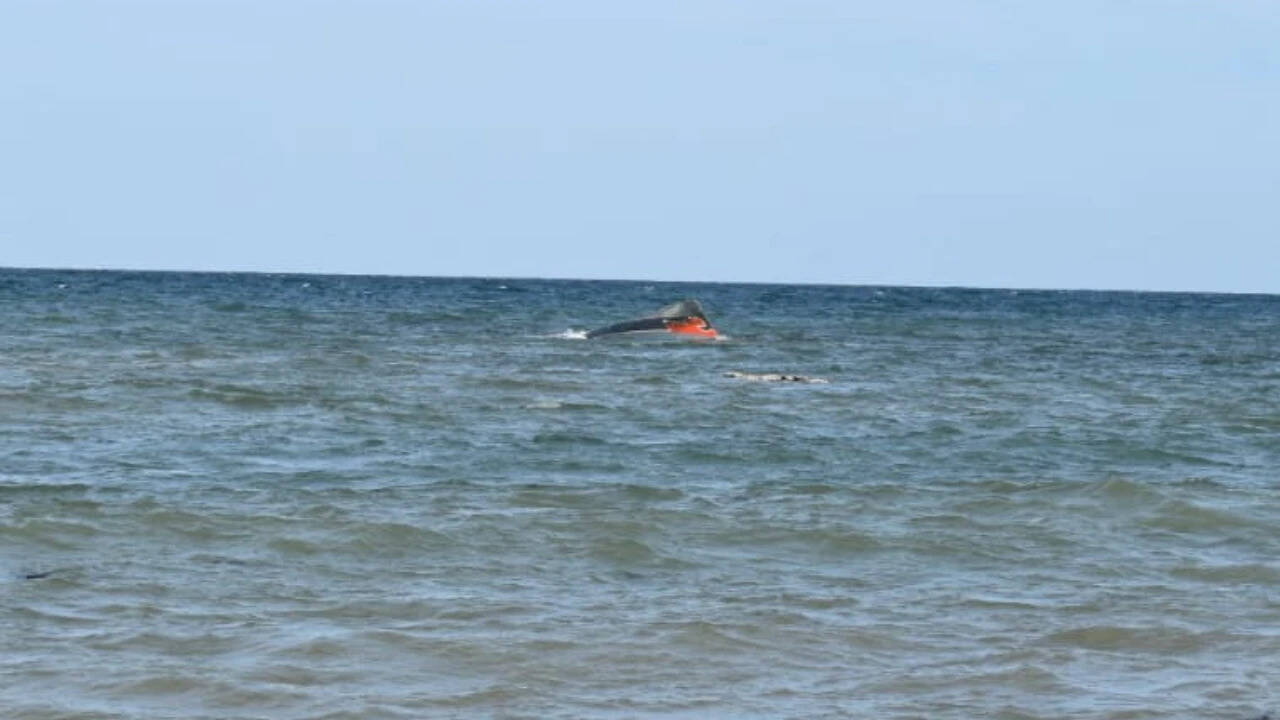
When a boat starts to sink backwards, the human instinct to survive turns into absolute panic. That terrifying detail emerged from survivors after an overcrowded vessel capsized off the coast of Djibouti, leaving at least 139 people dead. Among the victims were 15 children. This wasn't just a sudden accident on the open water. It was an entirely predictable tragedy born of desperation, exploitation, and global indifference.
The numbers are staggering. The vessel carried more than 300 people, packed tightly into a flimsy boat meant for a fraction of that weight. Over 80 survivors, all Ethiopian nationals, managed to make it ashore or were pulled from the water by local authorities and teams from the International Organization for Migration (IOM). Yet, dozens more remained missing.
The Anatomy of the Eastern Migration Route
Most people think migrant crises only happen across the Mediterranean Sea. They do not realize that the Eastern Route from the Horn of Africa toward the Arabian Peninsula is one of the busiest and most lethal pathways on earth.
Thousands of young men, women, and children leave Ethiopia every month. They flee extreme poverty, climate shocks, and regional conflict. Their immediate goal is simple: reach Djibouti, board a smugg
The Deadly Route Off Djibouti That Nobody Is Talking About
news
Boats shouldn't sink backwards. When a vessel tips from the stern, it means weight is catastrophic, water is rushing into the engine or the lowest point, and physics takes over with terrifying speed.
That is exactly what happened off the coast of Djibouti when a migrant boat carrying dozens of desperate people went down. At least 139 people lost their lives in the disaster. Survivors reported the vessel starting to sink backwards into the dark water, leaving them with seconds to choose between drowning in the cabin or fighting the open sea. It is a tragedy that exposes a brutal truth about migration routes across the Red Sea and the Gulf of Aden. People are still dying in the shadows, and the global response remains entirely inadequate.
The Eastern Route Reality
Most discussions about migrant crossings focus on the Mediterranean. Television screens constantly broadcast scenes from Italy, Greece, and Spain. But the Eastern Route running from the Horn of Africa toward the Arabian Peninsula is just as lethal, and it receives a fraction of the attention.
Young men, women, and children leave drought-stricken areas in Ethiopia and Somalia. They walk for weeks. They face extortion, violence, and starvation before they even reach the coast of Djibouti or Yemen. Their goal is simple. They want to reach Gulf states to find work and send money home to starving families.
Yet the crossing itself is run by criminal smuggling networks who care nothing for human life. They pack wooden boats past any reasonable safety limit. They charge exorbitant fees for a ticket straight into mortal danger. When survivors talk about boats sinking backwards, they are describing structural overload. Too many bodies pushed to the rear, or an engine failure that tipped the balance. The International Organization for Migration has documented thousands of deaths along this specific corridor over the past decade. It's a slaughterhouse disguised as a transit route.
Why Djibouti Remains a Crucial Chokepoint
Djibouti is tiny. It sits strategically at the southern entrance to the Red Sea, bordered by Eritrea, Ethiopia, and Somalia. Because of its location, it functions as a primary springboard for migrants trying to cross the Bab-el-Mandeb strait to Yemen.
From Yemen, many try to make the treacherous overland journey into Saudi Arabia. Think about that for a second. Migrants are trading an active war zone at sea for an active civil war on land. Yemen is torn apart by conflict, lacking a functioning central government to protect refugees. Yet the pull factor of employment in wealthier Gulf nations remains so strong that thousands take the gamble every single month.
Local authorities and international organizations in Djibouti try to provide humanitarian aid. They run transit centers, hand out food, and offer medical assistance. But their resources are stretched to the breaking point. Smugglers simply adapt. They move their departure points to remote beaches, dodging maritime patrols and launching unseaworthy skiffs in the middle of the night.
The Economics of Desperation
Why do people keep boarding these floating coffins? To understand this, you have to look at the domestic realities of Ethiopia and parts of East Africa. Climate change has devastated traditional pastoralist lifestyles. Consecutive failed rainy seasons have destroyed livestock and crops. When your children have nothing to eat, the risk of drowning in the Gulf of Aden starts to look like a rational gamble.
Smugglers know this. They exploit desperation with ruthless precision. They operate like logistics companies, advertising services on social media apps, collecting fees through informal hawala networks, and coordinating with corrupt local actors to avoid checkpoints.
When a boat capsizes and 139 people drown, headlines spike for forty-eight hours. Politicians issue standard statements expressing deep sadness. Then the news cycle moves on. The boats keep sailing. The smugglers keep collecting cash.
Stopping this cycle requires more than coast guard patrols and rescue operations. It demands genuine economic investment in the countries of origin, cracking down on the financial networks funding the smugglers, and creating safe, legal pathways for labor migration. Until leaders address the root causes driving people onto those overcrowded wooden hulls, boats will keep sinking backwards into the dark, and more human lives will vanish beneath the waves.