When a Hollywood star strips down to sell a sports prediction market app, the ensuing collision between celebrity culture and professional athletics is rarely subtle. Actress Sydney Sweeney found herself at the center of an international firestorm after starring in a commercial for Novig, appearing topless or strategically draped behind athletic equipment while repeating the word sports.
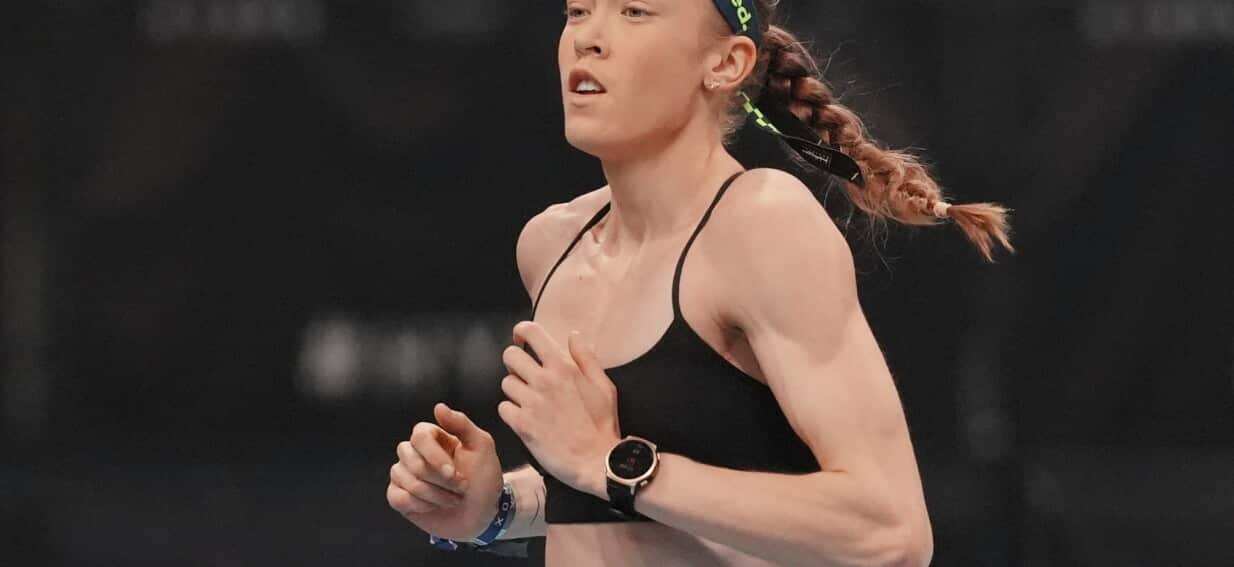
The backlash from Olympians and world-class competitors was swift, sharp, and uncompromising. British sprinter Amy Hunt, Australian swimmer Ariarne Titmus, and a wave of elite female athletes rejected the premise that female participation in the athletic sphere requires ornamental sexualization. They took to social media to showcase raw training footage, bruises, and muscular physiques with a unified declaration: This is what women in sport look like.
The core grievance extends far beyond a single provocative advertisement. For decades, female athletes have fought an uphill battle for institutional funding, media coverage, and cultural respect based entirely on their competitive output rather than their physical appeal. When a multi-million-dollar marketing campaign bypasses actual sportswomen to position a non-athlete as the face of an athletic enterprise through the lens of the male gaze, it reactivates old wounds. It signals to young girls that athletic competence is secondary to traditional standards of visual compliance.
Novig executives defended the campaign as a stroke of genius designed to force the brand into the national discourse. They achieved that goal. But the calculus of shock-value marketing often misjudges the collateral damage. By leveraging the explosive growth of women's sports interest while simultaneously subverting the dignity of the athletes driving that growth, the campaign exposed a cynical corporate disconnect.
The episode highlights a widening chasm in modern media. On one side sits the algorithmic machinery of attention economics, where controversy and skin-bearing shock value buy immediate engagement. On the other side stand professionals who spend decades breaking down physical limits in obscurity, only to watch commercial entities hand the cultural microphone to an outsider for the sake of viral provocation.
Athletes are no longer willing to quietly accept being sidelined in their own domain. The pushback against the Novig commercial is a calculated assertion of ownership. Women's sports have fought too hard and too long to be treated as a backdrop for a late-night punchline or a betting app's shortcut to consumer acquisition.
The noise of the viral cycle will fade, but the economic and cultural tension remains entirely unresolved.