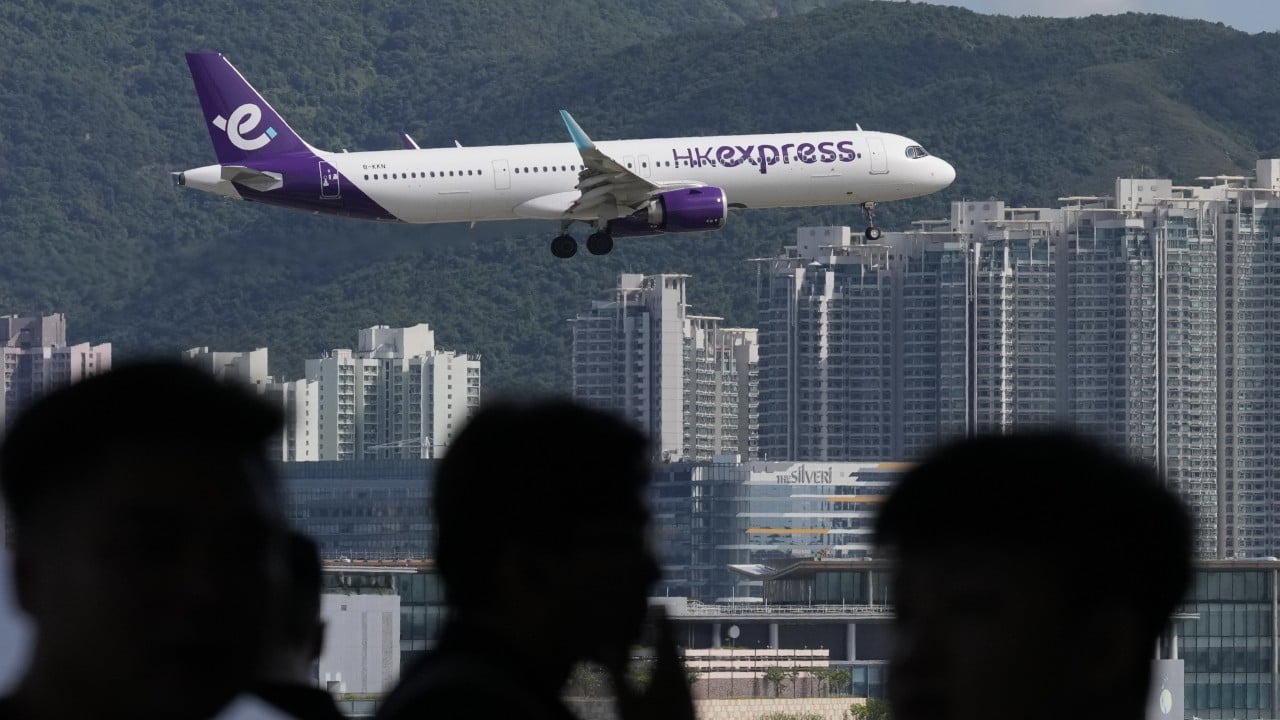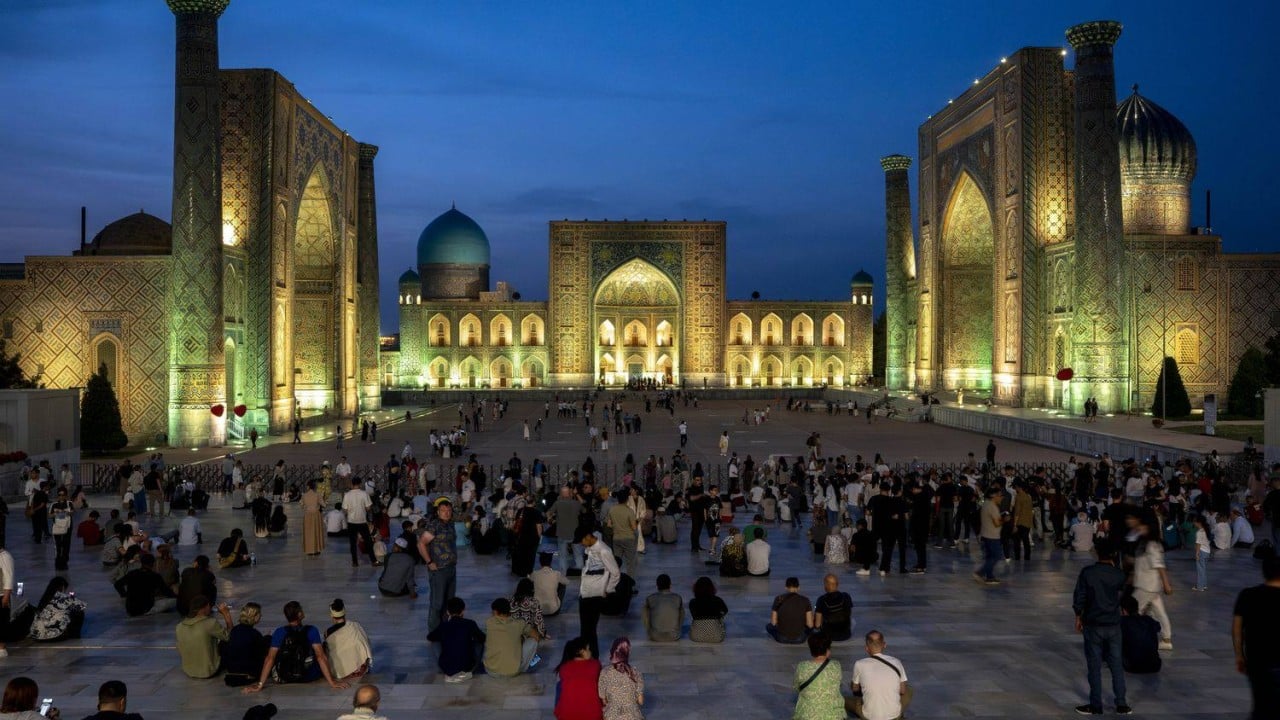
Hong Kong outbound tourism is undergoing a major structural shift as local travelers look beyond traditional holiday destinations like Japan or Western Europe, choosing instead to explore the ancient trade routes of Central Asia. Driven by a mix of direct flight expansions, strategic visa waivers, and shifting lifestyle priorities that favor cultural depth over consumer shopping, outbound bookings from the city to destinations like Uzbekistan and Kazakhstan have experienced rapid growth. Local travel agencies report that group tour registrations and bespoke itinerary requests for the region have climbed substantially, transforming what was once a highly niche, rugged expedition market into a mainstream choice for affluent, experience-driven urbanites.
To view this strictly as a sudden curiosity about the "mysterious" East, however, is to miss the deeper economic and geopolitical machinery at play. The sudden accessibility of Tashkent, Samarkand, and Almaty is the direct byproduct of infrastructure pipelines and state-backed diplomatic alignment, moving a massive wave of capital and curious travelers along paths carved out by changing trade relationships. For an alternative look, read: this related article.
Moving Past Retail Therapy
For decades, the standard blueprint for a high-end vacation in Hong Kong was remarkably predictable. It involved checking into a luxury boutique hotel in London or Paris, standing in a queue outside an boutique fashion house, and flying home with luggage filled with designer goods. Alternatively, it meant catching a flight to Tokyo or Osaka for seasonal dining and cosmetics shopping.
The modern consumer market in Hong Kong has changed. Wealthier residents, particularly professionals who have spent years navigating dense, hyper-commercialized urban environments, are experiencing retail fatigue. A luxury shopping mall in Milan looks and feels remarkably similar to a luxury shopping mall in Central or Tsim Sha Tsui. The incentive to spend thousands of dollars on long-haul flights simply to buy goods that can be delivered to one's doorstep via an app has collapsed. Similar reporting on this matter has been provided by AFAR.
Instead, the premium travel market now values cultural distinction, open geography, and historical preservation. Central Asia delivers exactly what the dense streets of Hong Kong lack, offering vast mountain ranges, ancient Silk Road brickwork, and cities that have not been overhauled by global commercial franchises.
Local travel operators note that their highest-earning clients are no longer asking for restaurant reservations in Manhattan or Paris. They want to see the tile work of the Registan in Samarkand, sleep in a high-end desert yurt camp in Kyrgyzstan, or witness the stark architecture of Almaty against a backdrop of snow-capped peaks. It is an intentional rejection of predictable, over-touristed spaces in favor of locations that offer a genuine sense of intellectual exploration.
The Logistics of the Silk Road
A shift in traveler preferences means very little if getting to a destination requires a complex, multi-stop flight path that burns three days of annual leave. The surge in interest across Central Asia is deeply linked to a dramatic overhaul in regional aviation infrastructure and aggressive policy changes.
Central Asia Outbound Surge: Key Driving Factors

┌────────────────────────┐     ┌────────────────────────┐     ┌────────────────────────┐
│   Aviation Expansion   │ ──> │   Mutual Visa Waivers  │ ──> │   Changing Demographics│
│ Direct flights from    │     │ Hassle-free entry for  │     │ High-yield professionals│
│ regional hubs cut      │     │ HKSAR passport holders │     │ swapping luxury retail │
│ transit times in half. │     │ removes bureaucracy.   │     │ for cultural depth.    │
└────────────────────────┘     └────────────────────────┘     └────────────────────────┘
Aviation networks have responded aggressively to this demand. Major regional carriers, including Kazakhstan’s flag carrier Air Astana, have significantly ramped up frequencies and added direct connections to economic hubs in southern China. These new routes mean that travelers can skip the exhausting layovers in Doha or Dubai that used to define a trip to the region. Total travel time has dropped from a tedious fifteen-hour multi-leg journey to a manageable, single-flight experience.
Simultaneously, the bureaucratic barriers that historically kept Central Asia isolated from casual leisure travelers have been systematically dismantled. Key destinations have introduced mutual visa-free entry agreements for Hong Kong Special Administrative Region (HKSAR) passport holders:
- Uzbekistan: Grants visa-free entry for stays up to 30 days, opening up immediate access to its ancient cities.
- Kazakhstan: Allows visa-free visits for up to 14 days, streamlining access to its financial hubs and natural parks.
- Kyrgyzstan: Features streamlined entry systems aimed at attracting alpine and adventure tourists.
This lack of friction is a massive competitive advantage. When a traveler can book a flight to Tashkent with the same bureaucratic ease as a flight to Bangkok, the psychological barrier to exploring an unfamiliar territory disappears.
Geopolitics as an Economic Engine
The growth of tourism in this corridor cannot be analyzed in a vacuum. It is deeply connected to broader geopolitical realities. Under the umbrella of regional trade frameworks, massive capital investments have poured into Central Asian infrastructure over the past decade. High-speed rail networks, modernized airport terminals, and international hotel developments have sprouted across the region, heavily funded by cross-border trade initiatives.
This infrastructure was built primarily to facilitate corporate travel, logistics, and resource management. Yet, a side effect of building high-speed rail lines to transport engineers and executives is that it becomes remarkably easy for leisure travelers to move between historic cities. The Afrosiyob high-speed train, which connects Tashkent, Samarkand, and Bukhara, runs with an efficiency that rivals western European rail networks, keeping transit smooth and highly reliable.
Corporate Infrastructure Spillover
┌────────────────────────────────────────────────────────┐
│  State-backed Industrial & Logistics Investments       │
└───────────────────────────┬────────────────────────────┘
                            │
                            ▼
┌────────────────────────────────────────────────────────┐
│  Modernized Airports, Roads, & High-Speed Rail Links   │
└───────────────────────────┬────────────────────────────┘
                            │
                            ▼
┌────────────────────────────────────────────────────────┐
│  Reduced Transit Friction for International Tourists   │
└────────────────────────────────────────────────────────┘
Furthermore, this alignment provides a level of stability that alternative destinations currently lack. At a time when European travel is complicated by soaring hotel costs, labor strikes, and social friction surrounding over-tourism, Central Asian nations are actively rolling out the red carpet. The political stability of the region, combined with its relative safety and insulation from Western inflationary pressures, makes it an incredibly practical alternative for risk-averse travelers.
Redefining Luxury on the Steppe
The profile of the traveler heading to the steppe is vastly different from the backpackers who dominated the region twenty years ago. Today's travelers demand high standards of comfort, and the local hospitality market is shifting rapidly to accommodate them.
Major international luxury hotel brands are opening properties across Almaty and Tashkent. Fine dining establishments are reinventing traditional Silk Road cuisine, fusing nomadic culinary heritage with modern gastronomic techniques to appeal to global palates. Local travel agencies are capitalizing on this by offering curated, small-group journeys that combine deep historical immersion with premium logistics.
These premium itineraries regularly feature private viewings of museum archives, exclusive musical performances in historic madrasahs, and dedicated charter transport across remote mountain passes. The focus is on providing friction-free access to environments that feel entirely wild and untouched.
The economic reality is simple: Hong Kong travelers possess high purchasing power but suffer from severe time poverty. They are entirely willing to pay premium rates for holidays that are seamlessly organized, deeply informative, and completely distinct from the predictable Western vacation circuit. As long as regional carriers keep adding routes and local infrastructure continues to mature, this migration across the ancient trade routes will continue to reshape the outbound travel market.