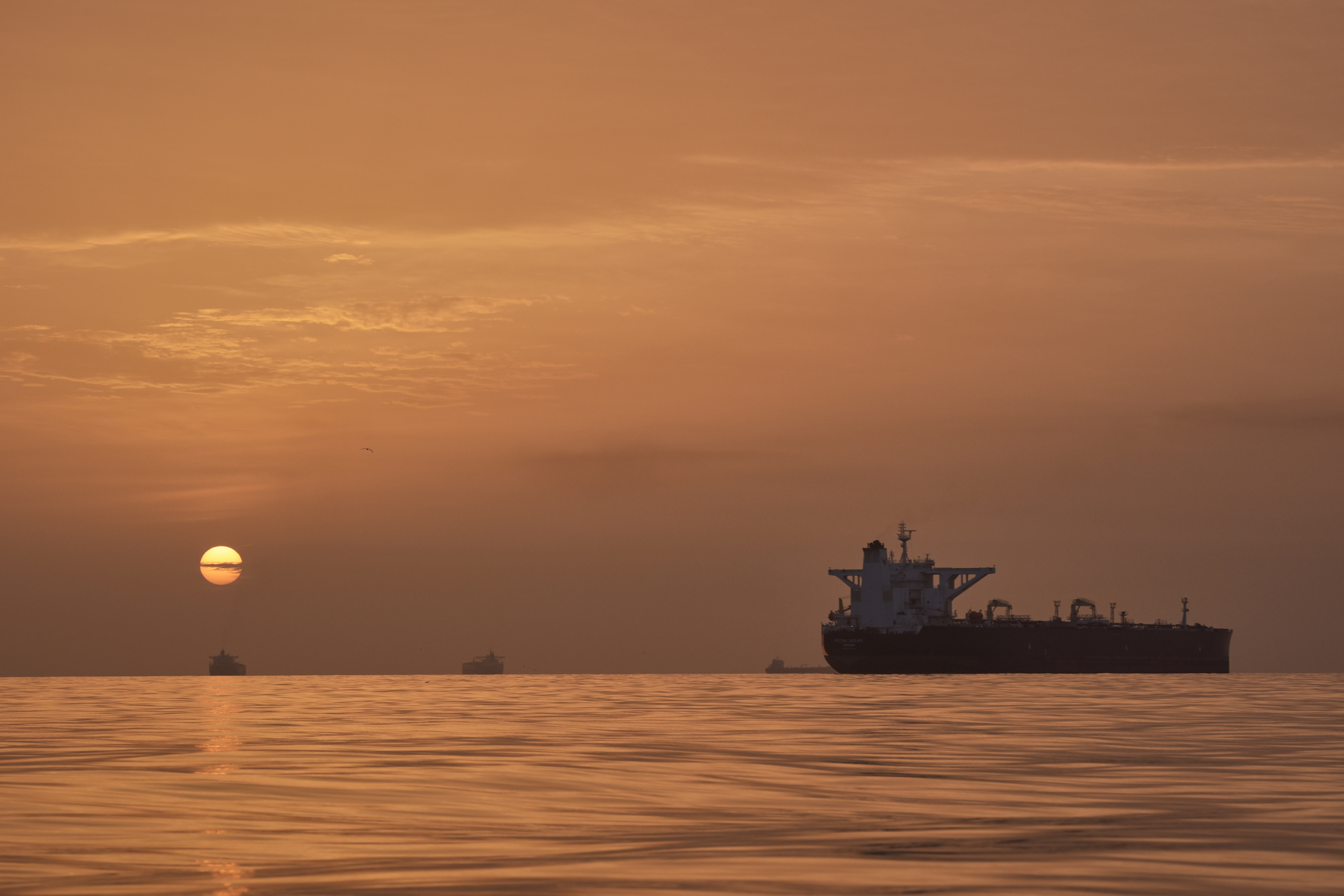
The seizure of the Iranian-flagged container ship Touska by the U.S. Navy on Sunday was not a routine enforcement of maritime law. It was a calculated kinetic strike designed to shatter the nerves of Iranian negotiators before they set foot in Islamabad. By firing directly into the vessel’s engine room to disable it, the USS Spruance signaled that the current two-week ceasefire is, for all practical purposes, dead. This escalation has effectively paralyzed the mediation efforts in Pakistan, leaving the global energy market and regional stability hanging by a thread as the Wednesday deadline for the truce looms.
The Kinetic Shift in the Gulf
For the first time since the blockade of Iranian ports began last week, the U.S. military has moved from passive surveillance to active seizure of non-military cargo vessels. This is a significant departure from previous operations. The Touska, a 294-meter vessel, was intercepted in the Gulf of Oman while attempting to transit toward Bandar Abbas.
According to U.S. Central Command, the decision to use "disabling fire" came after a six-hour standoff. While the White House frames this as a necessary measure to uphold sanctions and the blockade, the reality is far messier. Iranian state media and the Khatam al-Anbiya Central Headquarters have labeled the move "armed piracy," citing the presence of crew family members on board as a reason they did not immediately retaliate. That restraint is unlikely to last.
The Islamabad Deadlock
Pakistan has spent weeks positioning itself as the indispensable mediator, leveraging its unique geostrategic ties with both Washington and Tehran. However, the diplomatic theater in Islamabad is collapsing.
- Trust Deficit: Iranian Foreign Ministry spokesperson Esmaeil Baghaei stated Monday that Tehran has no plans to send negotiators to the upcoming round of talks. The seizure of the Touska is viewed in Tehran not as an isolated incident, but as a violation of the ceasefire established on April 8.
- The Nuclear Sticking Point: Sources close to the previous rounds of negotiations indicate that the "Islamabad Peace Talks" have consistently hit a wall over Iran’s nuclear program. Washington demands a total suspension; Tehran demands the lifting of the naval blockade first.
- Economic Fury: The U.S. is reportedly operating under a strategy dubbed "Economic Fury," designed to squeeze the Iranian economy until the leadership has no choice but to concede. The blockade is the centerpiece of this strategy, yet it has only succeeded in skyrocketing global oil prices and hardening the resolve of the Iranian hardliners.
Why the Blockade is a Tactical Trap
The U.S. Navy’s 5th Fleet is currently tasked with an impossible mission: seal off a nation with over 1,500 miles of coastline while avoiding a full-scale shooting war. The seizure of the Touska proves that Iran will continue to test the perimeter. Each successful interception like this one provides a short-term tactical "win" for the White House but deepens the long-term strategic crisis.
If the U.S. continues to board and seize vessels in international waters, it risks a symmetric response. The Strait of Hormuz is the world's most sensitive chokepoint. Iran has already hinted that if its ships cannot pass, no one’s ships will. The Speaker of the Iranian Parliament, Mohammad Bagher Ghalibaf, made this clear: the security of the strait is a "two-way street."
The Cost of Failed Diplomacy
The human and economic toll of this standoff is already staggering. Since the conflict escalated in late February, more than 3,000 people have died in Iran, and over 2,300 in Lebanon. Israel has seen its own share of casualties, and 13 U.S. service members have been killed in various skirmishes.
The strategy of using military force to compel diplomatic concessions is backfiring. Instead of bringing Iran to the table in Pakistan, the strike on the Touska has given Tehran the perfect justification to walk away. The "cautious optimism" previously held by Pakistani officials has evaporated, replaced by the grim reality that both sides are now preparing for what happens when the clock hits zero on Wednesday.
Washington’s negotiators, including Steve Witkoff and Jared Kushner, may still arrive in Islamabad, but they will likely find an empty chair across the table. When diplomacy is conducted through the barrel of a naval gun, the language of compromise is the first thing to be lost. The U.S. military is now preparing to expand this "Economic Fury" to Iranian-linked vessels globally. This isn't just about one ship or one ceasefire; it is the beginning of a maritime campaign that could redefine international trade and warfare for the next decade.
The engine room of the Touska is cold, and the diplomatic process is just as stagnant.