The ultimatum expires on Wednesday. In the high-stakes theater of global diplomacy, President Donald Trump has signaled that a "great deal" to end the 2026 Iran war is within reach, asserting that Tehran has "no choice" but to capitulate. Yet, on the ground in Islamabad and the darkened corridors of Tehran, the reality is far more fractured. While the White House projects an image of inevitable victory, the Iranian leadership—shattered by the assassination of Supreme Leader Ali Khamenei and reeling from 12 days of devastating strikes—remains paralyzed by a internal power struggle that makes a unified signature almost impossible.
Washington is betting on the "maximum pressure" of 2026, a campaign that has moved beyond sanctions into direct kinetic warfare. The core premise is simple: destroy enough infrastructure and eliminate enough leaders, and the survivors will "cry uncle." But this strategy overlooks the structural DNA of the Islamic Republic. The regime is not a monolith that collapses into a single point of surrender; it is a complex web of competing factions that often find more survival value in defiant martyrdom than in a compromise that could trigger a domestic coup. Building on this topic, you can find more in: Donald Trump and the Persian Gulf Shipping Crisis Explained.
The Ghost at the Table
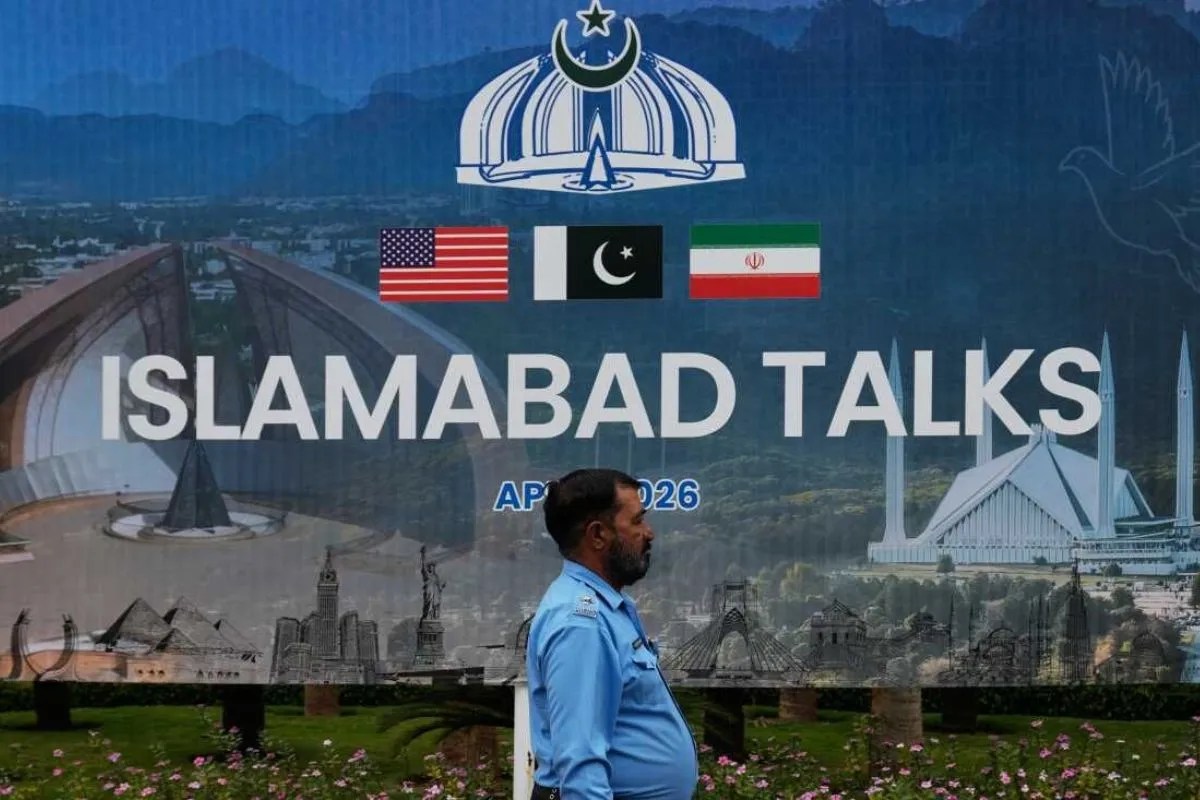
Negotiations in Pakistan were supposed to be the climax of a two-week ceasefire. Vice President JD Vance was dispatched to lead the American team, but his counterpart remains a moving target. The assassination of Khamenei in late February created a massive power vacuum. In his wake, the "deep state" within the Islamic Revolutionary Guard Corps (IRGC) has adopted a tactic of intentional chaos.
They are deliberately sending contradictory signals to buy time. One faction, led by surviving advisors like Ali Shamkhani, hints at a willingness to halt uranium enrichment. Simultaneously, IRGC media outlets broadcast threats to permanently close the Strait of Hormuz, a move that has already sent global oil prices screaming past $110 per barrel. This is not just a refusal to negotiate; it is a sophisticated defense mechanism. By ensuring no single official has the authority to agree to Trump’s terms—which include the permanent end of all enrichment and the total dismantling of regional proxies—the regime prevents a definitive "surrender" that would delegitimize the revolutionary cause. Analysts at BBC News have also weighed in on this situation.
The Permanence Trap
A primary sticking point in the Islamabad talks is the duration of nuclear restrictions. The Trump administration is demanding permanent prohibitions, a "forever deal" that goes far beyond the 10 or 15-year sunsets of previous agreements. The logic is that anything temporary is merely a "pause button" for a future bomb.
From the Iranian perspective, a permanent ban is a non-starter because it strips them of their "nuclear leverage"—the only currency they believe prevents total regime change. Even the most pragmatic elements remaining in the Iranian Foreign Ministry argue that they cannot sign away a right granted to other nations under the Nuclear Non-Proliferation Treaty (NPT) without facing an immediate uprising from their own hardline base.
The Economic Mirage
President Trump has frequently stated that the Iranian economy is "finished" and that the regime is desperate for the return of oil revenues. While it is true that the 2026 protests were fueled by economic misery and crumbling infrastructure, the assumption that "money for peace" is a winning formula ignores the shadow economy the IRGC has built over decades.
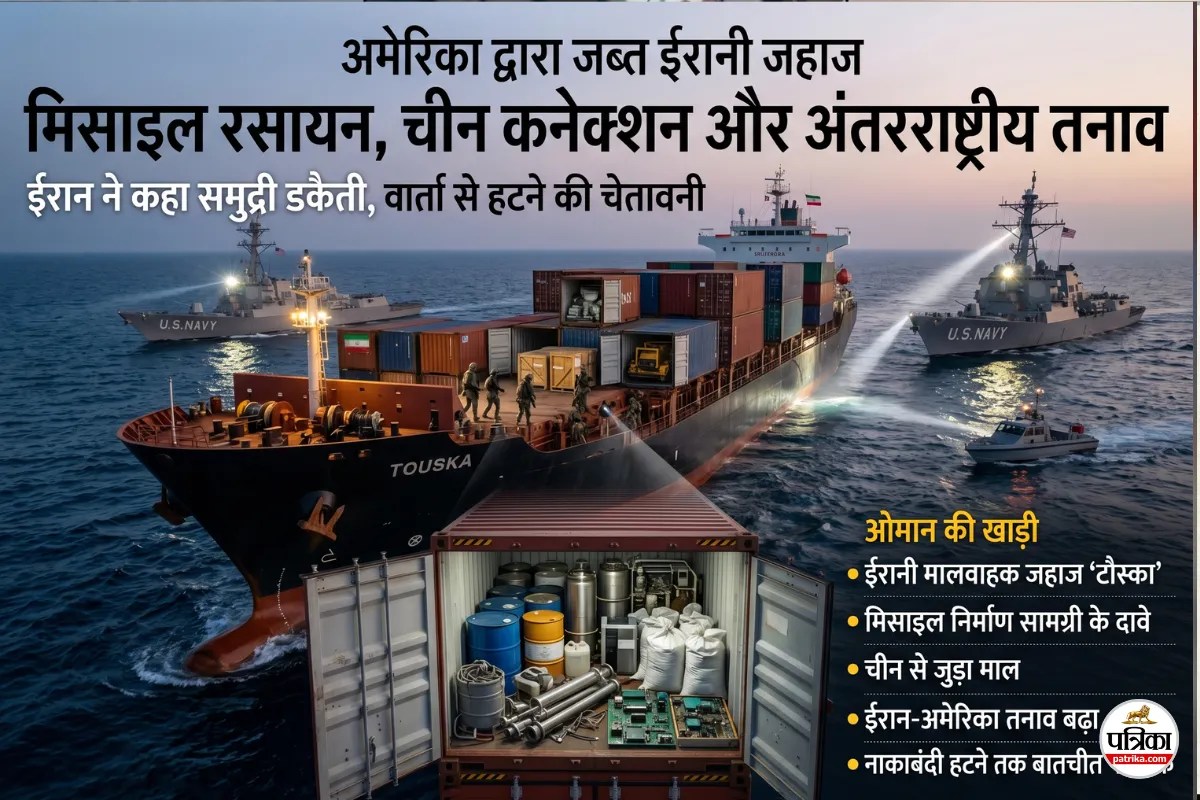
The regime has spent years perfecting "sanctions busting" through illicit networks and deepened ties with a few defiant global partners. While the average Iranian citizen suffers under the weight of $110 oil they cannot benefit from, the elite military structures have secured their own supply lines. They are prepared to preside over a "fortress economy," betting that they can outlast the political patience of the American electorate.
The Regional Wildcard
The war has not been contained within Iranian borders. The 2026 conflict has seen counter-strikes against US bases in Qatar and Bahrain, and the deployment of the RAF in a defensive capacity across the Gulf. This regionalization of the conflict serves Tehran's strategy. By making the war painful for the entire world—specifically through the energy shock—they hope to force international pressure on Washington to soften its "unconditional surrender" demands.
The Lebanese government has attempted to sideline Hezbollah, but the group remains a potent, if weakened, extension of Iranian influence. As long as these proxies can still launch rockets or disrupt shipping, Tehran feels it has cards left to play. They aren't looking for a "great deal"; they are looking for a way to survive the current storm without losing their ability to start the next one.
Why the Wednesday Deadline Might Not Matter
The "ultimatum" is a classic Trumpian tactic designed to force a decision. However, in a country where the Supreme Leader has been replaced by a fragmented council of clerics and generals, there is no one who can make a decision of this magnitude in 48 hours.
The most likely outcome of the Islamabad talks is not a grand peace treaty, but a series of "mini-extensions" of the ceasefire. Both sides have reasons to avoid a return to full-scale kinetic war:
- For Washington: The desire to stabilize global energy markets before the domestic political cycle heats up.
- For Tehran: The desperate need to repair energy infrastructure that QatarEnergy estimates will take three to five years to fix.
The tragedy of the current diplomatic track is the disconnect between the two parties' objectives. Washington wants a definitive conclusion to a forty-year rivalry. Tehran wants a tactical pause to ensure the rivalry continues for another forty.
Until the US acknowledges that the "chaos" in the Iranian delegation is a feature, not a bug, of their negotiating style, these high-profile summits will continue to produce more headlines than results. The peace deal isn't failing because of a lack of pressure; it's failing because the pressure has broken the very mechanism required to sign it.
Watch the Strait of Hormuz on Wednesday morning. If the tankers don't move, the talks haven't just stalled—they've collapsed.