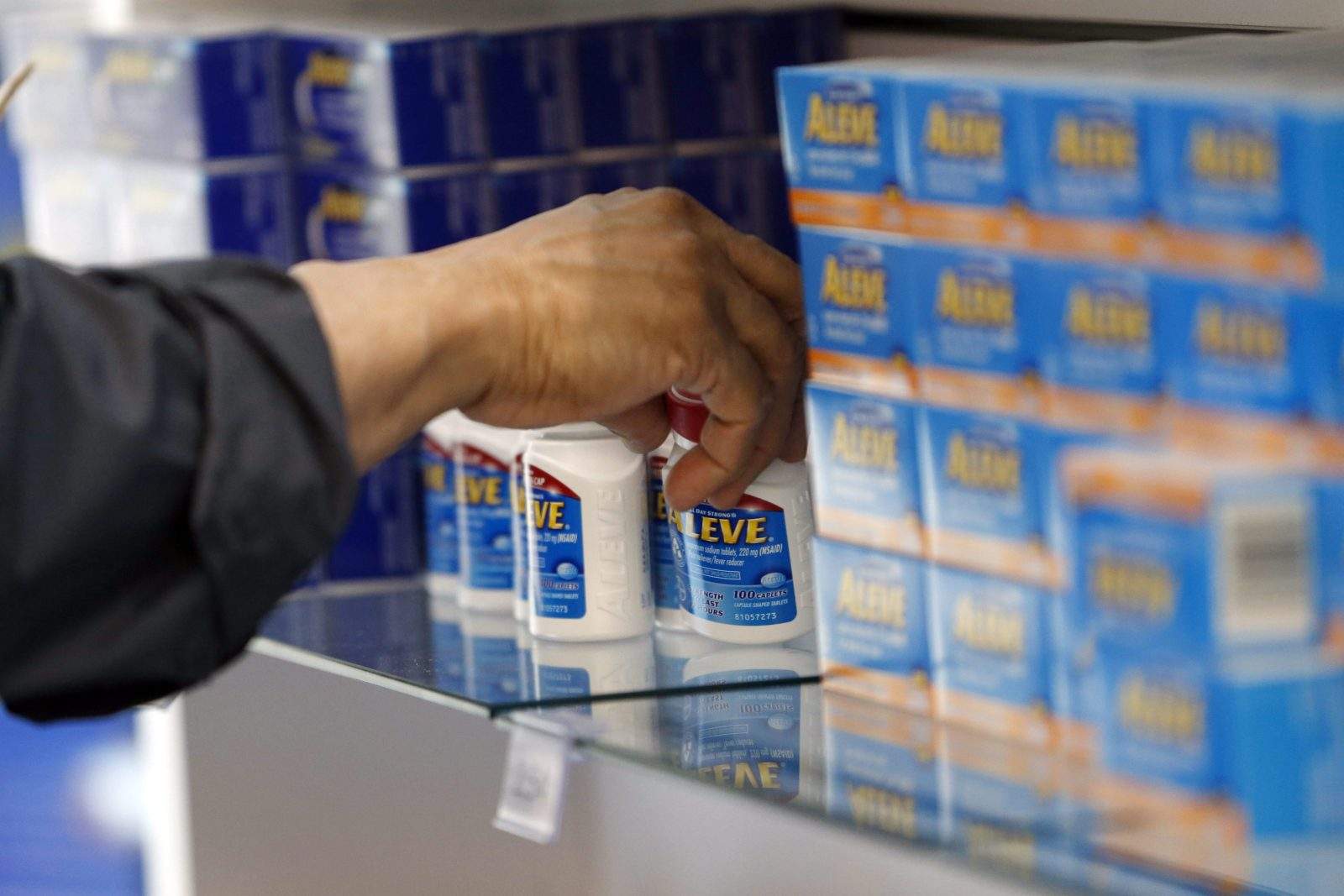
On October 15, 2026, Health Canada posted recall notices covering three household staples from Bayer Inc.. Flintstones Complete Multivitamins and Minerals, 10 mg Claritin Allergy Tablets, and 200 mg Aleve tablets were all pulled back at the wholesale level due to a distribution error.
Nothing was wrong with the pills when they left the factory. The real problem happened afterward, when customer-returned products were mistakenly put back into saleable inventory and pushed into wholesale distribution channels. Don't miss our earlier article on this related article.
Headline summaries make a recall like this sound like a sudden contamination scare. It was not. Health Canada classified all three actions as Type III recalls, the lowest risk tier, meaning exposure to the affected items is unlikely to cause adverse health consequences. Still, watching a children's multivitamin, an antihistamine, and a nonsteroidal anti-inflammatory drug get swept up in the same reverse-logistics slip exposes a sore spot in consumer healthcare. Once a bottle leaves controlled custody, nobody outside the warehouse can verify where it sat, how hot it got, or whether a seal was tampered with before it came back.
How a Routine Return Turns Into a Recall
Reverse logistics rarely makes front-page news until a pallet goes the wrong way. In high-volume consumer health warehouses, thousands of cases move in and out every week. Some come back from retail accounts because of overstocking, damaged outer cartons, billing disputes, or customer returns. To read more about the context here, WebMD provides an informative breakdown.
When a box lands on a receiving dock, warehouse staff have to separate saleable stock from quarantined or non-saleable returns. Under Good Manufacturing Practices, returned goods should sit in a clearly segregated holding area until quality assurance teams inspect them and make a documented disposition decision.
Errors creep in through boring, everyday friction. A mislabeled pallet gets scanned into a standard put-away queue. A temporary worker treats a neat, unopened-looking return carton like regular replenishment stock. A warehouse management system updates inventory counts faster than physical labels get checked.
Once a returned bottle crosses back into active wholesale stock, the chain of custody is broken. Even if the tablets inside look completely normal, a manufacturer cannot vouch for the storage history of a unit that already left its controlled environment.
Why Type III Still Matters to Households and Pharmacies
Regulatory tiers exist to match response urgency to clinical risk. Health Canada separates recalls into three categories:
- Type I applies where use may cause serious adverse health consequences or death.
- Type II applies where use may cause temporary or medically reversible adverse health consequences.
- Type III applies where use is not likely to cause any adverse health consequence.
That distinction calms the immediate clinical alarm, yet it does not erase practical questions for families and buyers. Health Canada's recall notices focused on the wholesale level, meaning the primary pull-back targeted distributors rather than clearing every retail shelf nationwide.
Even so, wholesale stock feeds pharmacies, grocery chains, and smaller retailers. A single leaky handoff can leave questions hanging over medicine cabinets and backroom shelves alike.
| Recall Detail | What Health Canada Recorded | Practical Takeaway |
|---|---|---|
| Products Affected | Flintstones Complete Multivitamins and Minerals, Claritin Allergy Tablets (10 mg), and Aleve (200 mg) | Covers a pediatric vitamin, an allergy medicine, and a pain reliever |
| Manufacturer | Bayer Inc. | Single company behind all three consumer health lines |
| Recall Depth | Wholesalers | Focused upstream in distribution, though downstream visibility still matters |
| Risk Classification | Type III | Unlikely to cause adverse health consequences |
| Core Cause | Customer-returned items mistakenly reintroduced into saleable inventory | A returns-handling failure rather than a formulation flaw |
The Blind Spot Between Factory Quality and Shelf Trust
Pharmaceutical manufacturing gets scrutinized down to parts per million and tablet hardness. Reverse logistics gets far less glamour, even though it sits right between a trusted brand and a paying customer.
Think of a hypothetical example: a small independent pharmacy returns a case of over-the-counter allergy tablets to a distributor because seasonal demand slowed down. If a warehouse routine fails to quarantine that return and logs it straight back into active wholesale bins, the next buyer gets a bottle that took a detour outside standard distribution control.
The tablets themselves might be fine. Or they might have spent weeks in a hot delivery van during a summer heatwave. Without strict quarantine discipline, you are asking people to trust a paperwork trail that just proved it had a hole in it.
What Consumers and Buyers Often Overlook
Quick recall coverage usually stops at naming the brands and repeating standard agency advice. That leaves out the subtle trade-offs people actually face at home or behind a pharmacy counter.
First, not every recall is a reason to panic-toss medicine. Stopping a regular pain reliever, allergy tablet, or daily supplement abruptly without checking with a doctor or pharmacist can create its own headache, especially if someone relies on steady symptom control. Health Canada specifically advises checking whether a product is affected and consulting a healthcare provider before discontinuing use or if health concerns come up.
Second, a Type III label does not mean zero gray area. Regulators assign risk based on likelihood of harm, not perfection in warehouse accounting. A returns-control slip is a warning light on a process. The same dock workflow that lets a low-risk return slip into saleable stock today can fail on a more temperature-sensitive item tomorrow if procedures stay loose.
Third, retailers and wholesalers carry real operational weight here. When a recall is listed at the wholesale level, smaller shops and pharmacies still benefit from checking stock, setting matching items aside, and confirming instructions with their suppliers rather than assuming the problem stops at a warehouse door.
How to Check Your Medicine Cabinet Without Guesswork
If you keep Flintstones vitamins, Aleve, or Claritin at home, start by looking at the packaging rather than relying on memory. Check the lot number and expiry date printed on the bottle or carton, and compare them against the official Health Canada recall notice.
Keep the bottle intact if you want to verify details with a pharmacist or contact Bayer Inc. directly. Taking a clear photo of the label and lot code saves time if you need guidance on whether your specific package is involved.
If you notice any unusual packaging condition or experience an unexpected reaction after taking an over-the-counter product, speak with a healthcare professional and report side effects or safety complaints through Health Canada. One distribution error does not turn an entire medicine cabinet into a hazard, yet a quick two-minute label check gives you real facts instead of guesswork.