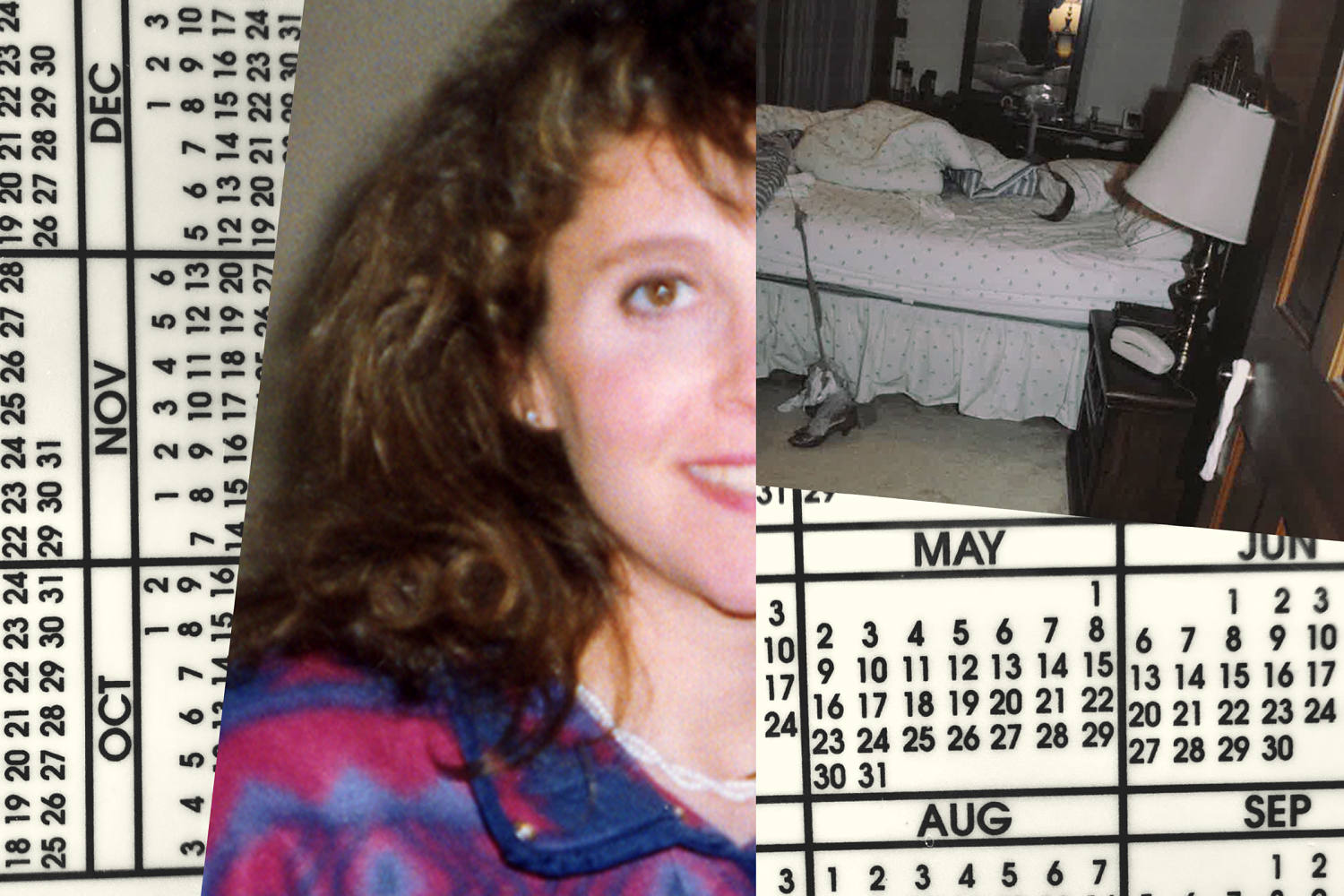
The death penalty doesn't just stop at a lethal injection room; sometimes, it collapses entirely under the weight of human error and systemic failure. On September 30, 2026, the state of Tennessee attempted to execute Christa Pike, the only woman on its death row, at the Riverbend Maximum Security Institution. What followed was not a swift, orderly sentence carried out by the book, but a chaotic, hours-long medical disaster that left Pike hospitalized, unconscious, and fighting for her life.
If you've been following capital punishment debates, the sheer brutality of botched executions isn't entirely new, but the specific timeline and aftermath of Pike's case expose deep flaws in how states carry out these procedures. Let's look at what actually went down behind closed doors, why her defense team stepped in, and what this means for the broader future of capital punishment. Read more on a similar topic: this related article.
The Anatomy of a Botched Execution
The timeline of September 30, 2026, paints a grim picture of administrative and medical breakdown. Witnesses entered the execution chamber at 6:41 p.m., but the blinds didn't open until 7:26 p.m. By that time, prison staff had already spent over an hour struggling to establish an intravenous line, using at least seven needles across multiple sites on Pike's arms.
According to legal filings and witness observations, execution team members allegedly ignored warnings that her veins had ruptured or blown out. Instead of pausing to reassess, they administered the lethal dose of pentobarbital while the IV lines were improperly placed. More journalism by BBC News delves into related views on this issue.
Pike remained conscious well into the procedure. Witnesses reported her speaking, singing with her spiritual adviser, complaining that her arm felt like it was "about to bust," and eventually kicking off her covers and lifting her head. Even after a second dose was administered per protocol, she was still breathing and snoring more than an hour after the initial drugs were pushed. Her attorneys rushed to file emergency stays, pointing out that the state was effectively torturing her.
From the Gurney to the ICU
Pike was quickly pulled from public view as the execution was halted, and she was transported to an outside hospital. Initial reports from her legal team confirmed she was placed on a ventilator, fighting pneumonia, and unable to move her arms or swallow. Her arms were reportedly burned and blistered from the chemical infiltration caused by the blown veins.
For weeks, her exact prognosis remained heavily guarded, drawing sharp condemnation from human rights organizations and even raising questions among staunch supporters of the death penalty who demand institutional competence. By October 10, Pike was discharged from the hospital and returned to the prison's rehabilitation center, though her recovery was far from complete. Later that month, she released her first public statement, noting that she woke up confused, in immense pain, and questioning why she survived that night.
Why This Case Changes the Conversation
Christa Pike's path to death row began back in 1996 when she was sentenced to death for a murder committed when she was just 18 years old. Her defense teams have consistently pointed to severe childhood trauma, extreme abuse, and mental health diagnoses like PTSD and bipolar disorder as context for her past actions. Yet, the public discourse around her 2026 execution attempt centers squarely on state competence and constitutional protections against cruel and unusual punishment.
Governor Bill Lee responded to the fiasco by halting scheduled executions for the remainder of the year and calling for a comprehensive review of the state's protocols. Critics note that relying on single-drug lethal injection protocols has repeatedly led to catastrophic failures across multiple states when execution teams lack proper medical training or struggle with compromised venous access.
The legal battle over Pike's future is far from over. Her lawyers successfully moved to preserve all physical evidence from the chamber to hold the state accountable, leaving courts to decide whether the state deserves a second chance to execute a prisoner after a failed first attempt.
The systemic breakdown on September 30 exposed the fragile line between judicial execution and administrative chaos. Whether this forces a permanent rethink of capital punishment in Tennessee or simply leads to a rushed rewrite of execution guidelines, the case remains a dark milestone in the modern history of American justice.