Commercial aviation relies on a rigid system of trust, locked doors, and strict protocols. You expect the people upfront to be working as a team. But what happens when that security barrier turns into a battleground?
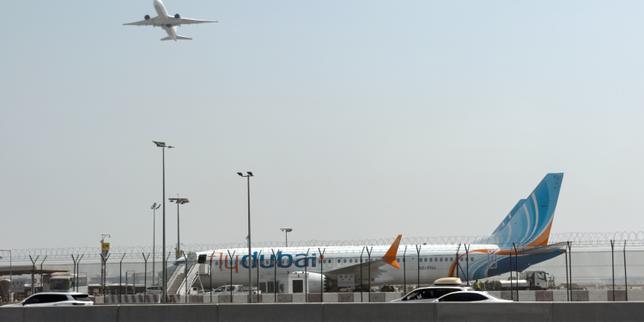
On September 30, 2026, flydubai Flight 1073 changed everything we thought we knew about modern flight deck safety. Traveling from Dubai International Airport to Ben Gurion Airport near Tel Aviv, a Boeing 737 MAX 8 carrying 174 passengers and crew became the center of a terrifying mid-air crisis.
The Plunge and the Cockpit Attack
The flight started like any other routine three-and-a-half-hour journey across the Middle East. Roughly an hour before its scheduled landing, chaos erupted inside the flight deck. According to official reports and passenger accounts, first officer Hamam al-Hammami launched a sudden attack on the aircraft’s captain, Smit Machchhar, using a cockpit crash axe.
The assault was brutal. Captain Machchhar suffered serious upper-body wounds while fighting for control. As the struggle unfolded, the aircraft was forced into a terrifying, rapid descent, plunging from approximately 34,000 feet down to 17,000 feet in less than a minute. The plane reached an estimated speed of 600 miles per hour, generating intense G-forces that terrified passengers and stripped away most of the aircraft's outer rudder due to overspeed structural stress.
Inside the cabin, passengers heard the commotion and screams echoing from the front. Realizing something was catastrophically wrong, brave passengers and deadheading pilots who happened to be on board sprang into action. The injured captain managed to crack open the cockpit door, allowing passengers to rush inside and physically overpower the co-pilot.
How Quick Thinking Saved Flight 1073
When the co-pilot allegedly tried to disable flight instruments and send the aircraft into a fatal dive, standard flight deck isolation protocols were put to the ultimate test. Passengers like Idan Hayoun stepped up, placing the attacker in a chokehold and dragging him out of the cockpit.
With the captain severely injured and the co-pilot restrained with cable ties and headphone wires, the flight faced a massive operational crisis. Fortunately, other flydubai pilots who were traveling as passengers stepped forward. They entered the flight deck to take over the controls, stabilize the erratic aircraft, and program an emergency diversion.
The flight squawked emergency code 7700, followed briefly by code 7500 indicating unlawful interference. Fighter jets were scrambled as the plane crossed regional airspaces, but the makeshift flight crew successfully navigated away from congested zones. They executed an emergency landing at Prince Sultan bin Abdulaziz Airport in Tabuk, northwestern Saudi Arabia.
Ground Realities and Immediate Aftermath
Landing in Saudi Arabia presented a complex diplomatic and security scenario. Diplomatic ties between the United Arab Emirates and Israel had expanded significantly following the 2020 Abraham Accords, but an emergency landing involving an Israel-bound flight triggered immediate international scrutiny.
Saudi authorities acted swiftly, securing the aircraft on the tarmac in Tabuk, deploying ambulances, and taking the attacker into custody. Medical personnel treated the wounded captain on the ground, with attending physicians noting that any delay in landing would have cost him his life.
Passengers were provided immediate medical care and food before being safely transferred back to Israel. Meanwhile, flydubai temporarily suspended its routes to Israel as aviation regulators from multiple nations launched sweeping security probes. Investigators later examined the co-pilot's background, uncovering extremist online footprints that pointed toward a targeted intent to cause a mass casualty event.
This incident has forced global aviation authorities to re-evaluate cockpit security protocols. Questions are now being raised about how airlines screen flight crew psychological stability, vet social media footprints, and handle the physical security of the flight deck door when the internal barrier itself becomes the point of failure.