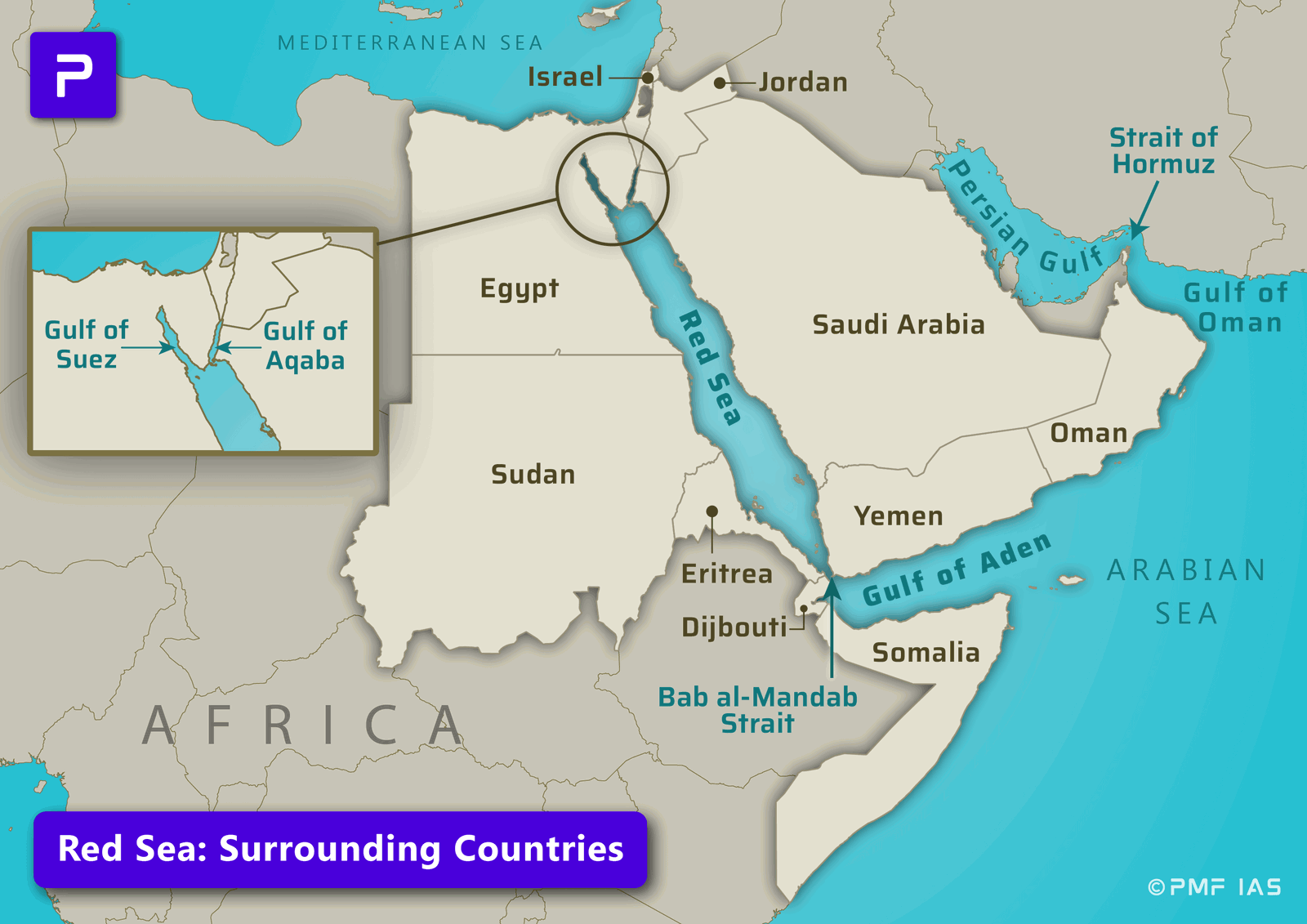
The maritime situation in the Red Sea is turning into a persistent, high-stakes military theater. When you hear about ballistic missiles striking a Saudi military landing ship and its escort boats off the coast of Mocha, don't write it off as a localized, isolated incident. This is a calculated shift in how regional actors are handling blockades and power dynamics in one of the world's most critical transit corridors.
Since August 9, the port of Mocha—a key government-held hub near the Bab al-Mandab Strait—has been hammered by more than 25 missiles. If you’ve followed the conflict in Yemen, you know that this strait isn't just a map coordinate. It’s a literal lifeline for global shipping. When that area becomes a target, every major economy feels the tremor in their supply chains.
Understanding the Houthi "Siege for Siege" Strategy
The Houthi movement has explicitly framed these recent strikes as a policy of "siege for siege." Basically, they are responding to what they describe as a Saudi-led blockade on Yemen by taking the fight to Saudi military assets at sea and on land.
I’ve looked closely at the recent claims from Houthi military spokesperson Yahya Saree. He described the latest operation as "direct and precise," resulting in a Saudi landing ship catching fire and multiple escort vessels either sinking or burning. While we always have to treat militant claims with skepticism until they are independently verified, the pattern here is undeniable. We aren't just talking about nuisance drones anymore; we're talking about ballistic weaponry being used to directly challenge state-level naval power.
Why does this matter to you? Because the tactical threshold has been crossed. Using ballistic missiles against naval targets requires a level of intelligence, targeting capability, and logistics that signals an evolution in Houthi strike proficiency. This isn't just about localized skirmishes; it's about holding the Bab al-Mandab Strait hostage to force political concessions.
The Human and Economic Cost
We often get lost in the military jargon—"ballistic missiles," "escort boats," "chokepoints." But the reality on the ground is much grimmer.
- Casualties are mounting: Recent reports from the area indicate that dozens have been killed or wounded in and around Mocha since the escalation intensified in early August.
- Infrastructure is crumbling: The port director of Mocha recently confirmed that commercial and maritime operations have been effectively suspended. We’re talking about an estimated $16 million in direct losses just from recent port damage.
- Regional instability: Beyond the ships, we’re seeing simultaneous strikes on infrastructure like the Sahn al-Jin camp in Marib. This indicates a multi-front campaign, not just a maritime harassment effort.
If you’re wondering why this keeps happening, look at the lack of a formal, binding ceasefire. The UN-brokered truce that started in 2022 expired, and while a fragile state of non-combat existed for a while, it’s clearly over. The current environment is effectively a return to active, high-intensity conflict.
What Happens When Chokepoints Become Battlefields
The Bab al-Mandab Strait is one of the world's most critical maritime chokepoints. Any prolonged disruption here forces shipping companies to reconsider their routes, driving up insurance premiums and freight costs globally.
If you're paying attention to the logistics or energy sectors, this is the metric that actually matters. When the Houthis declare the Red Sea a war zone for Saudi-aligned vessels, they aren't just targeting the ships; they are targeting the entire economic framework that allows those ships to move safely.
Saudi Arabia, a primary backer of the internationally recognized Yemeni government, finds itself in a tough spot. They need to protect their assets without getting dragged into a wider, more costly naval conflict that could spiral out of control.
How to Track This Situation Responsibly
Don't rely solely on the sensationalist headlines that pop up every time a new missile claim hits social media. If you want to understand where this is heading, keep your eyes on a few specific indicators:
- Commercial shipping insurance rates: Changes in how Lloyd’s of London or similar firms treat the Red Sea corridor will tell you more about the perceived risk than any press release from either side of the conflict.
- Port operational status: Keep checking the status of Mocha and other smaller ports. If these smaller hubs remain closed, the pressure on the larger ports like Aden and Hodeidah will grow, potentially leading to bottlenecks that disrupt regional trade.
- Official responses from Riyadh: Look for evidence of a coordinated military response or new security protocols being established for Saudi vessels.
The situation is fluid, and honestly, the risk of miscalculation is higher than it’s been in years. You’re seeing a tactical evolution in how non-state actors engage state navies, and the ripple effects will be felt far beyond the Yemeni coastline. Stay focused on the movement of assets and the reality of port operations, rather than the political rhetoric. That is where the truth of the conflict lives.


