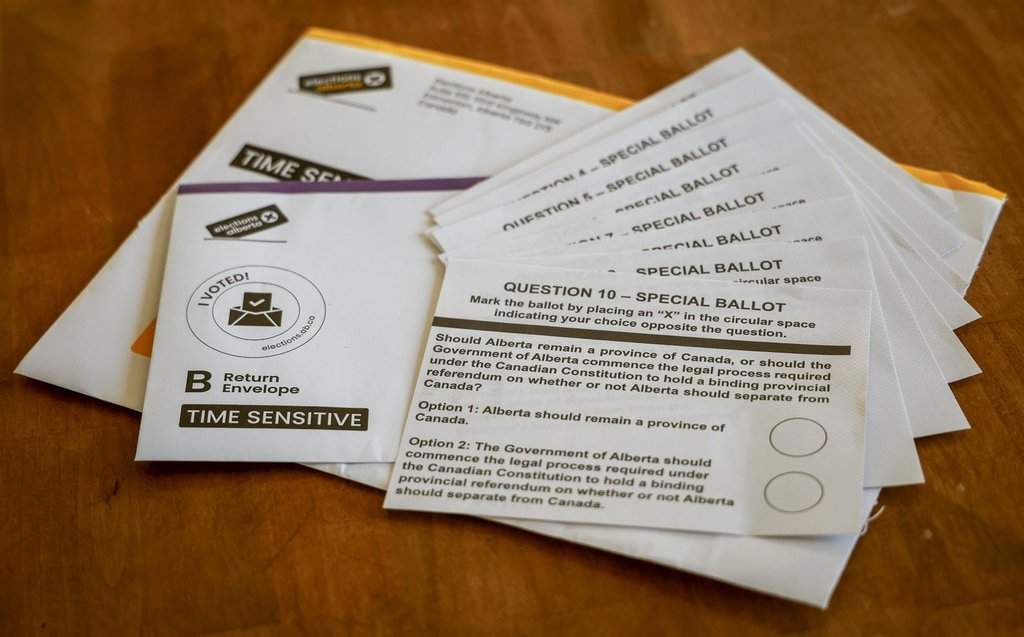
Paper rustles in the dim light of a Tuesday evening. Outside, the rain taps against the glass with a steady, monotonous persistence. Inside, Elena holds a blue pen hovering over a ballot package that arrived in the mail three hours ago. Her kitchen table is buried under bills, school flyers, and half-drunk coffee mugs.
She reads the referendum question. Then she reads it again.
Something is wrong.
The box she meant to check for the municipal transit expansion is paired with an obscure phrasing that sounds suspiciously like a double negative. Her heart performs a familiar, sinking stutter. It is the cold dread of a citizen who suspects she has been locked out of her own voice by a bureaucratic ghost.
In a pristine, theoretical universe, ballots are printed in heaven. They emerge from printing presses untouched by human weariness, delivered by angels wearing postal badges, filled out with absolute, algorithmic clarity. Every instruction is an epiphany. Every box is an open door.
We do not live in that universe. We live in a world of ink smudges, tired election workers pulling double shifts, midnight formatting errors, and mail carriers navigating sleet. We live in a democracy built by humans, which means it is permanently, beautifully, and dangerously prone to mistakes.
When news broke that thousands of referendum ballot packages across Alberta contained errors—mislabeled questions, missing return envelopes, transposed identification numbers—the knee-jerk instinct of the modern commentariat was outrage. The television pundits leaned into their microphones with practiced solemnity. Headlines flickered across screens like warning flares. System failure. Crisis of confidence. Proof that the machinery is rotting from the inside out.
Except the machinery did something unexpected.
It stopped. It looked at the mistake. And then, it fixed it.
Consider what happens next in the quiet backrooms of election offices when panic gives way to logistics. Boxes are quarantined. Software patches are pushed. Corrected packages are bundled into trucks before the dawn breaks over the Rockies. Officials step up to podiums not to hide the blemish beneath layers of polished spin, but to hold it up to the light.
Here is the error. Here is how it happened. Here is how we are fixing it before your voice is stolen.
Alberta Premier Danielle Smith pointed to this frantic, messy remediation not as a sign of institutional collapse, but as the exact opposite. The ability to catch an error, own it publicly, and rewrite the instructions before the ink dries is not a symptom of a broken system. It is the heartbeat of a functional one.
Think about that for a second. Perfection is a static monument. It does not learn because it cannot move. A system that claims it never makes mistakes is a fragile glass house waiting for a single stone. But a system that trips, catches its balance, and admits its stumble in front of four million people? That is a living organism.
We have inherited a cultural addiction to absolute infallibility. We expect our smartphones to never drop a call, our navigation apps to predict traffic down to the microsecond, and our civic institutions to execute complex democratic rituals with the chilling precision of a Swiss watch. When reality inevitably intrudes—when a comma is misplaced or a reference number gets scrambled—we treat it as a moral betrayal.
That is a dangerous delusion.
Democracy was never designed to be a vending machine where you insert a coin and receive a pristine, error-free outcome. It is an argument. It is a negotiation between millions of tired, distracted, brilliant, and flawed human beings trying to share the same patch of earth. It requires grease, sweat, and the occasional frantic scramble to reprint fifty thousand ballot packages because someone in the graphics department used last year's template.
Imagine Elena standing at her kitchen table. She didn't know about the ballot errors when she first opened the envelope. She only knew that the instructions felt like a puzzle designed to keep her silent. When an automated alert or a radio broadcast later tells her that the error was caught, that a replacement is on the way, or that her vote will not be counted in a corrupted pool, something shifts inside her.
That shift is called trust.
Trust is not the naive belief that authority figures are flawless. Trust is the hard-earned realization that when those authorities screw up, they will look you in the eye and fix it rather than burying the evidence beneath a mountain of press releases.
Transparency is messy. Accountability smells like stale coffee and printing toner at two in the morning. It looks like exhausted clerks drinking lukewarm tea while hand-checking serial numbers. It looks like an administration taking a political hit to ensure that a suburban mother's vote on transit funding actually counts.
We spend an enormous amount of energy demanding a frictionless society. We want every interaction with the state to glide past us like water on a polished stone. But friction is where democracy lives. The moment we demand absolute, effortless perfection from our democratic machinery, we invite autocracy. Because only an autocrat can pretend that no mistakes were made. Only a tyrant can silence the printing press and declare that the flawed document is the law of the land.
The corrected ballot packages in Alberta arrived at thousands of doors a few days later. They weren't magical. They didn't solve the housing crisis or lower inflation or heal social divides. But they carried something infinitely more valuable than perfection.
They carried honesty.
Elena sat down at her kitchen table once more. The rain had stopped. The house was quiet. She opened the new envelope, smoothed out the crisp, corrected paper, and picked up her blue pen. This time, the box was right where it needed to be. Not because the system is infallible, but because when it broke, we demanded it mend itself in the light of day.


