Salt crusts on the windshield before the sun even clears the horizon. Down here, off the coast of Mocha, the water does not look like water. It looks like a sheet of hammered tin, bruised purple and silver under an unforgiving sky.
I remember the hum of the engine. It is a low, chest-vibrating thrum that you stop hearing after three weeks at sea, until the silence breaks.
Silence at sea is never peaceful. It is a vacuum waiting to be filled.
On that morning, the horizon held a secret. To the casual observer tracking global shipping lanes from a desk in Geneva or Singapore, the Bab el-Mandeb strait is just a blue line on a monitor—a narrow bottleneck connecting the Red Sea to the Gulf of Aden, where twelve percent of global trade squeezes through every single day.
To the men standing on the bridge of a Saudi vessel cutting through those swells, it is a narrow corridor of exposure.
Then came the flash.
Not a cinematic explosion with rolling orange fireballs like Hollywood manufactures, but a sharp, blinding crack of light against the port side. A concussive slap that travels up the steel deck and into the soles of your boots.
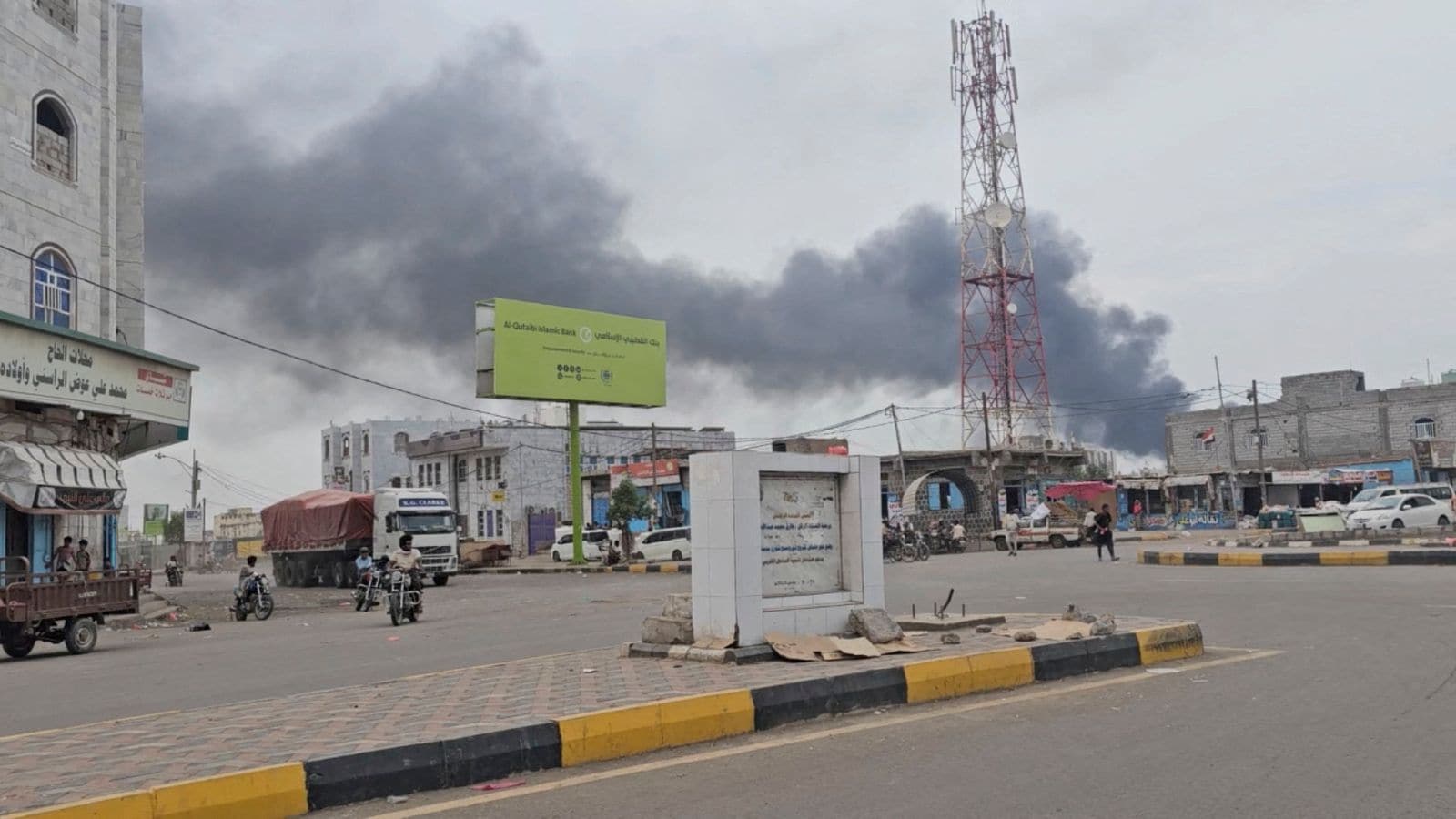
The Houthis claimed it later, delivering the news with the cold certainty of a communique. They said they had struck Saudi vessels off the coast of Yemen. Behind the dry bureaucratic language of that claim lay a terrifying reality: the ancient geography of Yemen's coast was once again rewriting the economic survival of distant nations.
Consider what happens when a single missile finds its mark in water this narrow.
The shockwave does not just dent a hull. It ripples instantly across commodity markets six thousand miles away. Insurance premiums for cargo ships triple before the smoke clears. Grain shipments slow down. The price of fuel ticks upward by fractions of a cent, then whole cents, until the single mother in London or the factory worker in Chicago feels the squeeze in their weekly grocery bill.
We talk about geopolitics as if it were a game of chess played by men in suits who have never smelled diesel exhaust or tasted salt spray on their lips. We draw arrows on maps. We analyze strategy in air-conditioned television studios.
We forget the grease. We forget the fear.
I once spoke with an engineer who spent twenty years keeping oil tankers moving through these volatile shipping lanes. He told me about the psychology of the strait. You do not look at the radar screen for navigation alone; you look at it for ghosts. Every blip is a question mark. Every small fishing boat could be a delivery system for something catastrophic.
"You feel naked out there," he told me, staring into his coffee cup long after it had gone cold. "You are moving two hundred thousand tons of steel, and you realize how thin the shell really is between you and the bottom of the ocean."
The attack off Mocha was not an isolated incident in a vacuum. It was a calculated demonstration of asymmetric power. For years, the conflict in Yemen was framed as a localized civil war—a tragic humanitarian disaster trapped between regional ambitions and forgotten ceasefires. But the water does not care about borders. The Red Sea is a throat, and when someone squeezes it, the whole world coughs.
Think about the sheer audacity of it. On one side, multi-billion-dollar maritime empires relying on vast technological surveillance, satellite tracking, and armored escorts. On the other side, coastal insurgents utilizing low-cost agility, small craft, and repurposed munitions to alter the calculus of global trade.
It is David and Goliath, modernized, weaponized, and broadcast live to a world that would rather scroll past the headlines.
When the news broke that Saudi vessels had been targeted, the initial reaction from international maritime agencies was swift condemnation and calls for heightened security. Patrols increased. Destroyers repositioned themselves. Analysts produced white papers with neat bullet points about freedom of navigation and maritime security protocols.
Yet, none of those white papers could capture the smell of scorched paint on a steel bulkhead. None of them could measure the adrenaline spike of a sailor on night watch staring into the pitch-black darkness of the Yemeni coast, wondering if the next shadow on the water is a wave or a warning.
We live in an era that worships abstraction. We look at supply chain disruptions as software glitches. We view military strikes as statistics on a evening news ticker.
The antidote to abstraction is proximity.
Step onto that deck. Feel the humidity stick to your skin like a wet wool blanket. Hear the metallic groan of the ship's frame adjusting to a sudden evasive turn. Look out at the coastline of Mocha—ancient, sun-baked, indifferent to the cargo you carry or the hungry markets waiting for your arrival.
The Houthis achieved their objective that day, and it had very little to do with the physical damage inflicted upon the hulls of the target vessels. They achieved psychological saturation. They reminded the global economy that the arteries of modern civilization are astonishingly fragile, stitched together by fragile ships and human nerves.
Every time a captain charts a course through the Bab el-Mandeb now, they are carrying that invisible weight. The cargo holds are full of oil or grain or manufactured goods, but the air in the wheelhouse is heavy with something else entirely.
Uncertainty.
And as the sun dips below the horizon, turning the Red Sea from bruised silver to absolute black, the lights on the coast flicker in the distance. They look quiet. Almost peaceful.
Until the radar blips.