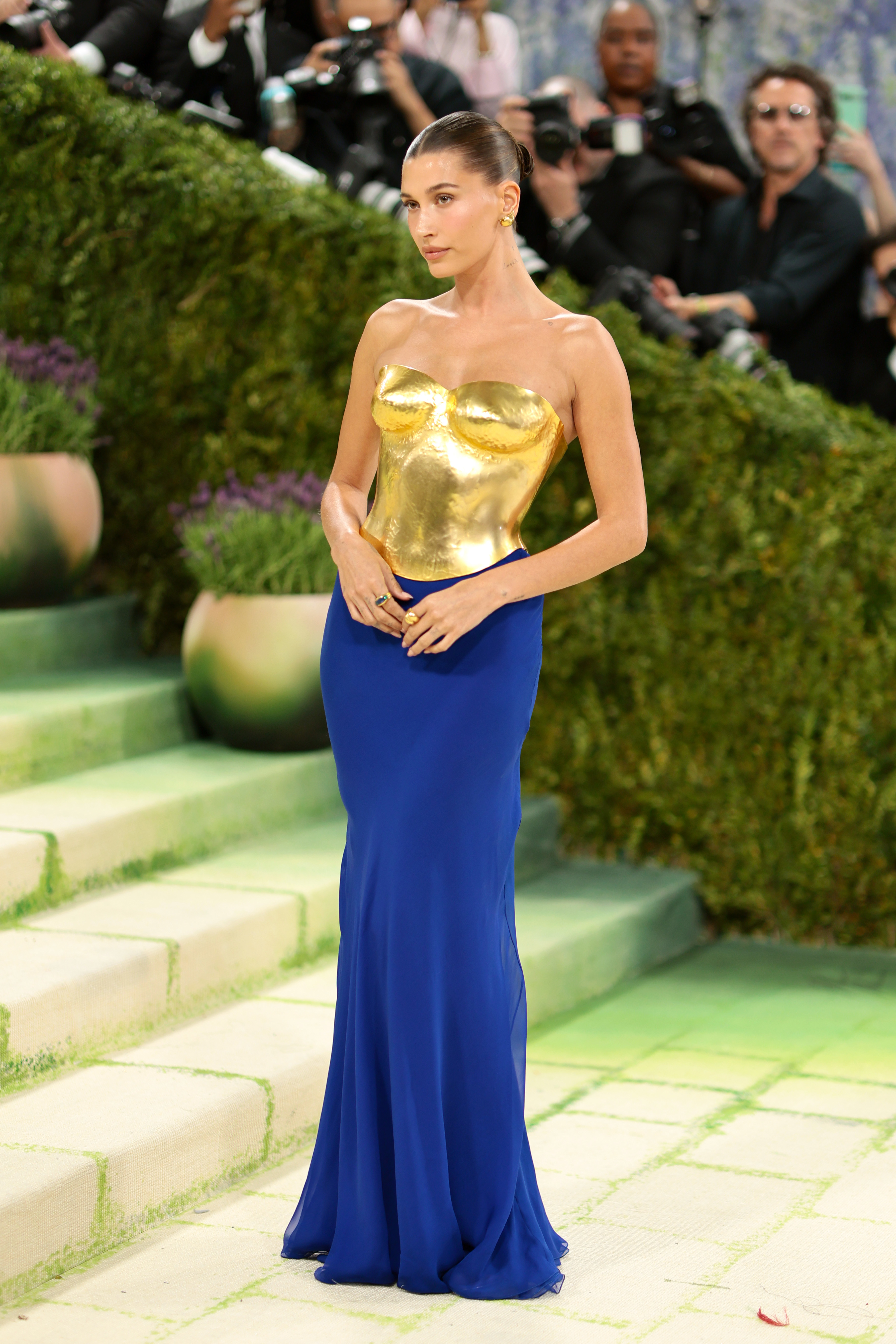
When Nicole Kidman stepped onto the carpet in a floor-length red sequin gown, the typical tabloid reaction was to catalog the sparkle and move on. They missed the machinery. A dress of that magnitude is never just a garment. It is a calculated deployment of capital, a multi-agency negotiation, and a masterclass in the preservation of a global brand. Kidman’s appearance serves as a stark reminder that in the high-stakes world of A-list visibility, the "dazzle" is merely the final product of a grueling industrial process.
The scarlet gown functions as a weapon of attention. In an era where digital feeds are saturated with short-form content and fleeting trends, the red sequin choice is a deliberate move to claim the center of the frame. It is high-contrast. It is light-reflective. Most importantly, it is expensive. To understand the gravity of this moment, one must look past the sequins and into the economics of the "Look."
The Industrial Logic of the Red Carpet
The red carpet has transitioned from a celebratory walkway to a high-density trade floor. When a star of Kidman’s caliber selects a specific designer, they are not just picking an outfit from a closet. They are entering into a symbiotic financial arrangement that affects stock prices and brand valuation. The red sequin gown is a billboard.
Designers often spend hundreds of hours on hand-sewing individual sequins, a labor-intensive process that justifies six-figure price tags. This isn't just about luxury. It is about creating a visual texture that cannot be easily replicated by fast-fashion algorithms. By wearing a garment that requires such immense human labor, Kidman reinforces her status as an elite figure in a world increasingly dominated by mass-produced aesthetics.
The Power of Primary Colors
Red is not a passive choice. Psychologically, it signals dominance, vitality, and urgency. In the context of a film premiere or an awards ceremony, wearing red is a claim to the throne. It forces the camera's sensors to work harder to capture the depth of the hue. It ensures that even in a wide shot of a hundred people, the eye is pulled toward the crimson silhouette.
Critics often dismiss these events as vanity projects, but that ignores the cold reality of the "Q Score." A celebrity's marketability is tied to their ability to generate "Earned Media Value" (EMV). One viral photo in a red sequin gown can generate millions of dollars in equivalent advertising spend for both the actress and the fashion house. This is a business transaction disguised as a party.
The Engineering of Glamour
A gown that fits like a second skin is an engineering marvel. Underneath the sequins lies a complex structure of boning, power mesh, and reinforced stitching designed to maintain a specific shape under the glare of thousands of high-intensity flashbulbs. This is the invisible architecture of fame.
Stardom at this level requires a physical discipline that is often overlooked. The weight of a fully sequined gown can be substantial, sometimes exceeding fifteen pounds. Carrying that weight while maintaining a graceful, effortless posture for hours is an athletic feat. The industry demands that the effort remains hidden. The goal is to project an image of "natural" perfection, despite the fact that every inch of the appearance has been curated by a team of stylists, tailors, and publicists.
The Lifecycle of a Viral Moment
The journey of the red gown starts months before the event. It begins with sketches and mood boards, followed by multiple fittings across different continents. By the time the public sees the photo on their phones, the gown has already fulfilled 90% of its purpose. The "dazzle" is the payoff of a long-term investment strategy.
We are seeing a shift in how these moments are consumed. It is no longer enough to be "best dressed" in a magazine. A look must now be "thumb-stopping." The red sequin texture is particularly effective for this because the way it interacts with light creates a sense of movement even in a static image. It creates a shimmer that mimics the flickering of a film projector, subconsciously linking the wearer back to the golden age of cinema.
The Survival of the Movie Star
There is a growing anxiety in Hollywood about the "death of the movie star." The democratization of fame through social media has diluted the mystique that once defined the elite. In this environment, Nicole Kidman’s red sequin appearance is an act of defiance. It is a reminder that there is still a level of glamour that cannot be achieved by an influencer with a ring light.
The gown represents a barrier to entry. It says that true stardom requires a level of craftsmanship, history, and institutional backing that a viral video cannot provide. By leaning into the classic tropes of Hollywood royalty—the bold color, the shimmering fabric, the statuesque pose—Kidman is protecting the value of the "Movie Star" as a distinct class of human.
The Environmental and Ethical Cost
While the spectacle is captivating, an investigative look must acknowledge the footprint of such excess. The production of petroleum-based sequins and the global logistics required to move a single dress for a four-hour event are part of a larger conversation about sustainability in fashion. High-end couture often claims a pass because of its "artistic value," but the sheer volume of gowns produced for a single awards season is staggering.
The industry is beginning to grapple with this. We are seeing more stars "archive dive," wearing vintage pieces to signal environmental consciousness. However, the pressure to deliver something "new" and "dazzling" usually wins out. The red sequin gown is a product of this tension—a desire for timelessness fueled by a system that demands constant novelty.
The Stylist as a Shadow Architect
Behind Kidman is a stylist who operates more like a talent agent or a political consultant. This individual manages the relationship between the actress and the fashion houses, navigating exclusive contracts and "first look" agreements. The choice of red sequins is often a strategic pivot. If the actress has recently played a serious, stripped-back role, the gown serves to reset the public’s perception, reminding the industry of her versatility and her ability to sell a dream.
The collaboration is a high-wire act. If the dress is too avant-garde, it alienates the general public. If it is too safe, it fails to generate the necessary EMV. The red sequin gown hits the "Goldilocks zone" of fashion—it is traditionally beautiful enough to be universally liked, yet bold enough to be memorable.
The Mirage of Accessibility
The fashion industry thrives on the illusion that this lifestyle is aspirational. Magazines provide "get the look" guides, suggesting affordable alternatives to the red sequine gown. This is the ultimate bait-and-switch. The "look" isn't just the dress; it is the $5,000-a-month skin regimen, the professional lighting, the expert tailoring, and the genetic lottery.
By focusing on the dress, the media helps maintain this mirage. It frames the "dazzle" as something that can be purchased, rather than the result of an immense, specialized infrastructure. This keeps the consumer engaged while ensuring the elite remain safely out of reach.
The Persistence of the Red Carpet
Despite various predictions of its demise, the red carpet remains the most effective marketing tool in the entertainment industry. It is a concentrated burst of visual information that bypasses the need for traditional trailers or press releases. A single image of Nicole Kidman in that gown tells a story of success, longevity, and power.
This is the real reason the "red sequin gown" headline exists. It isn't about the fashion; it's about the confirmation of status. In a world of fleeting digital noise, the heavy, shimmering, crimson weight of a couture gown is a physical anchor. It is proof that the old gods of Hollywood are still in the building, and they still know exactly how to hold our gaze.
The next time a headline tells you a star "dazzles," look for the seams. Look for the light placement. Look for the brand logos hiding in the captions. The gown is a masterpiece of distraction, designed to make you forget that you are looking at a highly optimized piece of corporate machinery.
Every sequin is a data point. Every flash of red is a signal in a crowded market. The dazzle is not an accident; it is an achievement of logistics and a cold, calculated bet on the enduring power of the spectacle. If the garment looks effortless, the mission is accomplished.