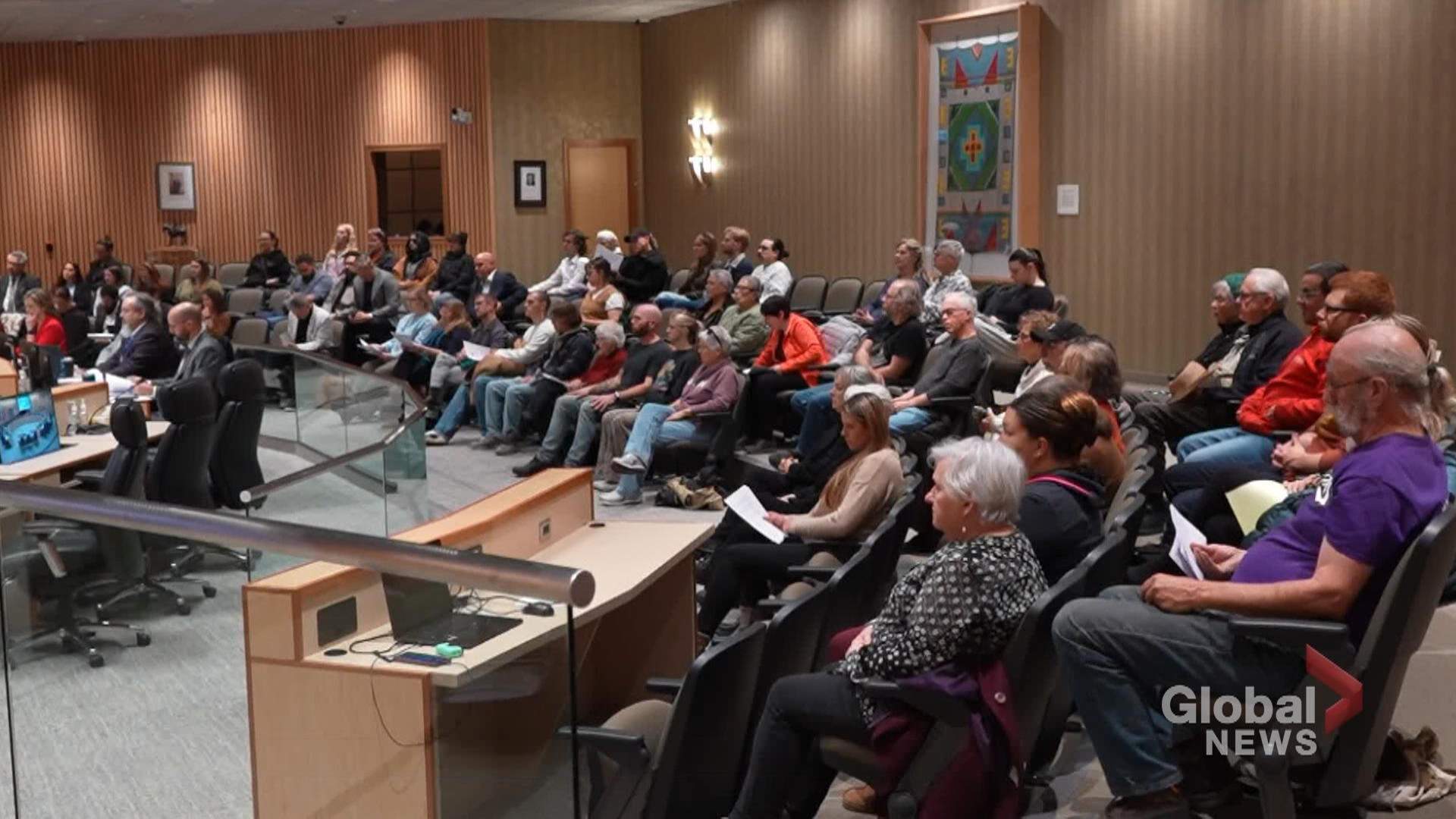
Regina City Council is stuck in a political squeeze over Bell’s massive AI data centre project—a facility sitting outside city limits yet pulling on resources every Regina household shares. In mid-October 2026, council narrowly voted 5-4 to direct city administration to report back on how the project affects residents. Just weeks later, the Rural Municipality of Sherwood approved zoning changes to let the expansion move forward, while Regina council itself shot down a planning rule tweak that would have given elected officials a direct say over similar developments.
If you live in Regina or follow prairie politics, the tension isn't hard to spot. Councillors are trying to figure out what authority they actually have when a multi-billion-dollar AI hub lands next door. Supporters see a rare shot at big-league tech investment and jobs. Critics see a power-hungry giant that could push up electricity bills, strain water supplies, and chew up prime farmland.
What Bell’s AI Data Centre Actually Looks Like on the Ground
Let's get the scale straight, because numbers get tossed around fast in these debates. Bell Canada announced the initial 300-megawatt data centre near Regina in March 2026 under its Bell AI Fabric push, backing it with roughly $1.7 billion in capital spending and naming CoreWeave and Cerebras as anchor compute tenants. Construction moved quickly once earthworks kicked off in April 2026, with structural steel rising on four phase-one buildings by autumn and early capacity targeted for the first half of 2027.
Then came the twist that turned a major local project into a full-blown provincial flashpoint. In September 2026, Bell and the Saskatchewan government announced plans to explore adding up to 900 megawatts of extra capacity through a non-binding memorandum of understanding, pointing toward a potential 1.2-gigawatt hub. Bell stated that the 900-megawatt expansion would rely on dedicated natural gas generation at a separate Saskatchewan site co-ordinated with SaskPower, SaskEnergy, and TransGas.
A 1.2-gigawatt data centre footprint isn't a small server room. SaskPower's total generating capacity sits around 5.9 gigawatts, so even a fraction of that demand changes the conversation about grid load and long-term planning.
Why Jurisdiction Trips Up Regina Councillors
Here's the catch that frustrates half the people in council chambers. The initial data centre site sits in the Rural Municipality of Sherwood rather than inside Regina's municipal boundaries. That means Regina council doesn't hold the primary zoning gavel over the RM of Sherwood site, even when residents pack delegations to talk about local impacts.
When councillors passed the 5-4 motion in October 2026 asking administration for information and reporting on resident impacts, they weren't stopping construction. They were trying to map out what the city knows, what agreements or regional ties exist, and where Regina actually has leverage. Later that month, council rejected a proposed planning amendment that would have required council approval for certain planning changes, underscoring just how messy local governance rules can get when big industrial or tech projects arrive.
Power Rates, Water, and Farmland Are the Real Flashpoints
In my experience watching municipal infrastructure fights, zoning technicalities are rarely what keep residents up at night. People care about their monthly bills, their tap water, and whether long-term trade-offs make sense for their neighbourhood.
Electricity Demand and Rate Worries
Power is front and centre in Saskatchewan's legislature and council discussions. Opposition lawmakers in the Saskatchewan NDP have pressed the provincial government on whether a 300-megawatt load—and potentially much more—could put upward pressure on power rates for regular customers. Bell has noted in investor materials that utility power costs for contracted capacity are structured as a pass-through to customers rather than absorbed by Bell, which still leaves everyday ratepayers and policy watchers asking how grid investments and generation costs are shared.
Water and Prime Agricultural Land
Water use comes up right alongside electricity whenever large data centres are proposed on the Prairies. Cooling servers at hyperscale requires serious water planning, and residents want clear numbers before assuming supply won't be pinched during dry stretches.
Farmland is the other nerve being hit hard. Criticism has mounted over converting productive Saskatchewan cropland for industrial and data centre footprints. Farmland Land Security Board records from January 2026 show the board initially declined an exemption for Bell's 300-megawatt project on prime agricultural land, pointing to other industrial and infrastructure-ready options in the Regina area while flagging power and water concerns. Provincial supporters counter that large-scale capital investment brings substantial construction work, permanent operational roles, and long-term economic spin-offs that Saskatchewan shouldn't hand to another jurisdiction.
What Supporters Get Right—and Where Skeptics Have a Point
Let's be honest about both sides instead of flattening the debate into slogans.
Supporters have a real argument when they talk about economic momentum and sovereign AI capacity. Building major compute infrastructure in Canada helps keep sensitive government, enterprise, and research data inside the country, while bringing hundreds of construction jobs and dozens of ongoing technical and operations positions to the region. For a mid-sized prairie city, landing a flagship project with a major telecom and recognized AI compute partners isn't an everyday event.
Skeptics aren't making up ghosts, either. When a project scales from 300 megawatts toward a possible 1.2 gigawatts, transparency matters. Public policy researchers at the University of Saskatchewan have raised fair questions about openness around water demand, power draw, and environmental impacts. Honestly, when public officials ask residents to trust a multi-billion-dollar vision, publishing clear environmental and utility numbers early does more to build credibility than defensive talking points ever will.
Practical Steps for Residents and Watchers Following the Vote
If you want to track what happens next without getting lost in rumour mill posts, focus on concrete records and public processes.
- Read the city administration reports: Look for the formal briefing documents requested by Regina city council following the October 2026 motion so you see staff findings rather than second-hand summaries.
- Track RM of Sherwood and provincial filings: Because key land-use approvals sit outside Regina city limits and utility generation involves provincial bodies and crown utilities, check RM of Sherwood council minutes and Saskatchewan legislative debates.
- Ask specific questions at public meetings: If you speak or write to a councillor or MLA, stick to measurable items—water allocation, grid capacity upgrades, emissions and gas-generation details, and regional servicing agreements—rather than vague complaints.
- Verify claims against primary sources: Cross-check social media claims against official releases from Bell Canada and coverage from outlets like CBC News Saskatchewan.