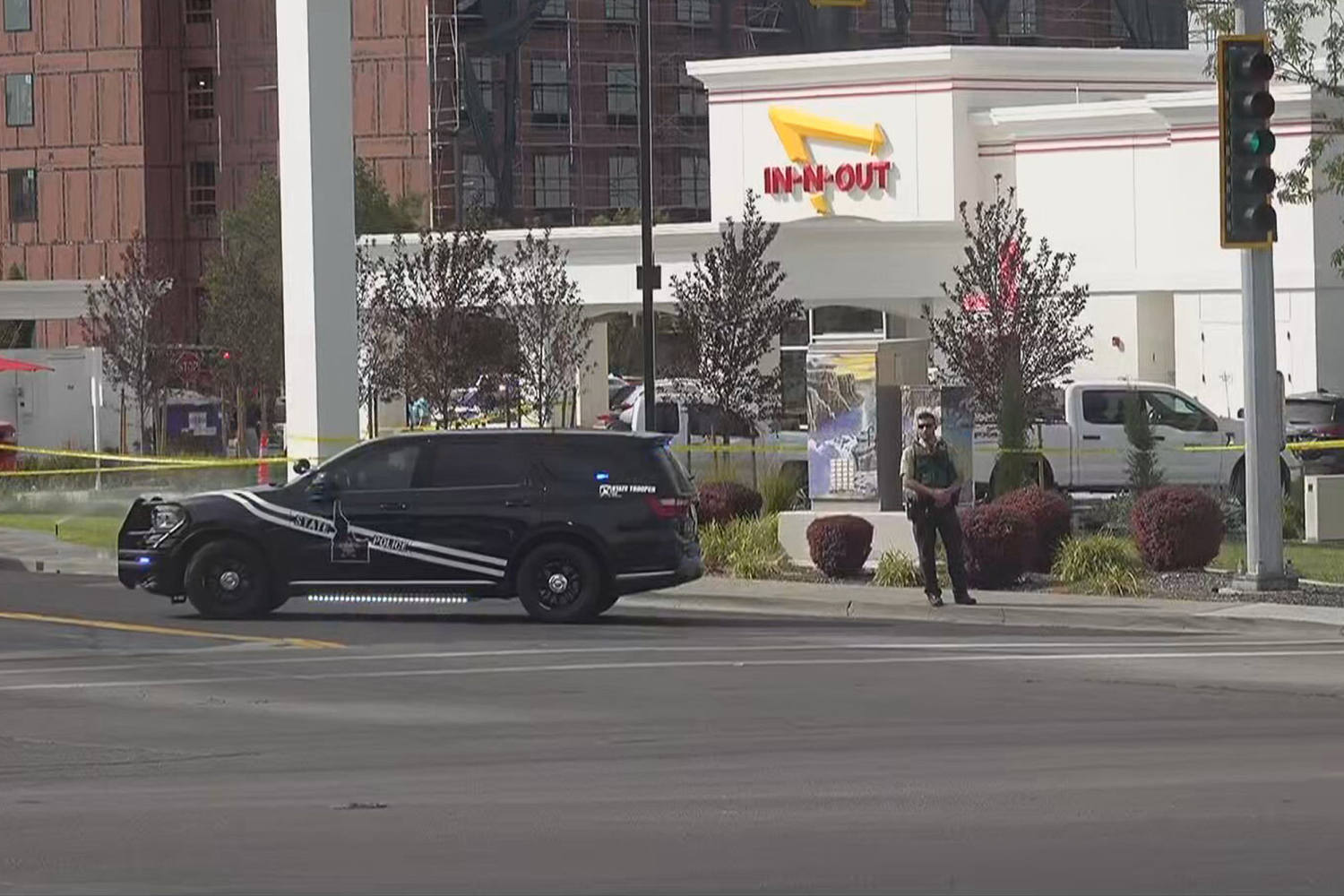
Another headline breaks. Three dead. Two injured. Twin Falls, Idaho. The digital assembly line of modern outrage spins up instantly. Notifications ping. Pundits posture. The local affiliate rolls out drone footage of police tape while anonymous sources whisper unvetted fragments to reporters desperate for a click.
We process tragedy like fast food. Consume the grief, demand an immediate villain, post a solemn emoji, and scroll away by lunch.
Stop treating violence as breaking news content.
The media circus surrounding localized tragedies is not informing the public. It is feeding a systemic addiction to spectacle. Every time a news outlet treats a multi-fatality shooting as a ratings event, it follows a predictable, toxic script. They zoom in on the horror while blurring out the mechanics. They weaponize the body count to score political points before the coroner has even finished their work.
I have spent years analyzing how information propagates during acute crises. I have watched newsrooms trade accuracy for speed, prioritizing the first tweet over the factual truth. The lazy consensus says we need more coverage, faster alerts, and deeper emotional dives into the carnage to understand our societal decay.
That premise is entirely backward.
More coverage does not clarify. It obscures. It turns complex human failures and localized volatility into a national theater piece. When we reduce a shooting in Idaho to a flashing red banner on a cable news network, we strip away the local reality and replace it with ideological fodder.
The Anatomy of a Broken News Cycle
Let us look at how the machinery operates. The moment a dispatch goes out from a local precinct, the race begins. Editors do not ask what went wrong or how to fix it. They ask who can get the most sensational headline live first.
Take the standard reporting model. You get three core elements:
- The raw body count, often exaggerated or premature.
- A file photo of a generic police cruiser or a candlelit vigil.
- A heavy-handed insinuation about the root cause, chosen to match the target demographic of the publisher.
This is not journalism. This is emotional manipulation disguised as information. By treating every shooting as an isolated, unprecedented anomaly, mainstream outlets ignore the grinding, unglamorous data of urban and rural violence. They isolate the event from its context just to make it fit a national narrative.
Imagine a scenario where the media adopted a blackout on sensationalized details for forty-eight hours following a shooting. No suspect names. No wall-to-wall cable coverage. No frantic speculation from talking heads who have never set foot in Idaho.
The outrage merchants would starve. But the public might actually get something useful: verified facts, transparent investigations, and space to process a community trauma without a camera shoved in the face of grieving families.
Dismantling the Copycat Incentive
Criminologists have known for decades about the contagion effect. When media outlets broadcast the face, name, and manifesto of a violent actor, they provide a twisted form of immortality to desperate individuals. Yet, networks continue to treat these tragedies like season finales.
The obsession with real-time updates creates a perverse incentive structure. If your primary currency is attention, violence is high-yield stock.
When a shooting happens in Twin Falls or anywhere else, the standard consumer question is usually: How did this happen, and who is to blame?
The answers given are deliberately shallow. One side blames access to hardware. The other side blames mental health infrastructure. Both are talking points designed to fit on a bumper sticker. Neither addresses the immediate, messy reality of local policing, community breakdown, or individual crisis intervention.
We are asking the wrong questions because the media profits from keeping us confused.
If you want to understand why these tragedies keep happening, stop looking at the national broadcast and start looking at the erosion of localized social safety nets. Look at the gutting of community mental health boards. Look at the way isolation compounds in small cities where economic mobility has stalled. These are boring, systemic issues. They do not generate ad revenue like a live-updating trauma feed.
The Cost of Manufactured Urgency
Speed kills truth. When a newsroom rushes to report a shooting, accuracy is the first casualty. Initial reports from chaotic scenes are notoriously wrong. Suspect descriptions shift. Casualty numbers fluctuate. Motives are invented out of thin air.
Yet, those initial, erroneous reports shape public perception permanently. Even when retractions are buried on page three, the emotional anchor of the first false headline remains lodged in the reader's mind.
This is an abdication of editorial responsibility.
We do not need more real-time notifications about bloodshed. We need restraint. We need editors who possess the courage to wait for the facts instead of chasing the algorithm.
The digital ecosystem rewards panic. Every push notification about a shooting is designed to spike your cortisol levels and keep you tethered to your screen. It is an attention trap that turns human suffering into engagement metrics.
What Real Accountability Looks Like
Changing how we consume and report on violence requires a fundamental shift in behavior from both publishers and readers.
First, refuse to share unverified breaking news. If an outlet is reporting details within minutes of an active scene, they are guessing. Let them guess alone.
Second, demand post-mortem reporting instead of live-action commentary. Real investigative journalism takes weeks. It looks at the municipal failures, the missed warning signs, and the institutional blind spots that allowed a tragedy to manifest. That work cannot be done in a 24-hour news cycle.
Third, starve the spectacle of your attention. When you click on sensationalized coverage of mass violence, you vote for more of it.
The shooting in Twin Falls was a localized tragedy that deserves solemnity, respect for the victims, and a sober, factual investigation. It does not deserve to be your afternoon entertainment.
Turn off the live feed. Wait for the facts. Stop feeding the machine.