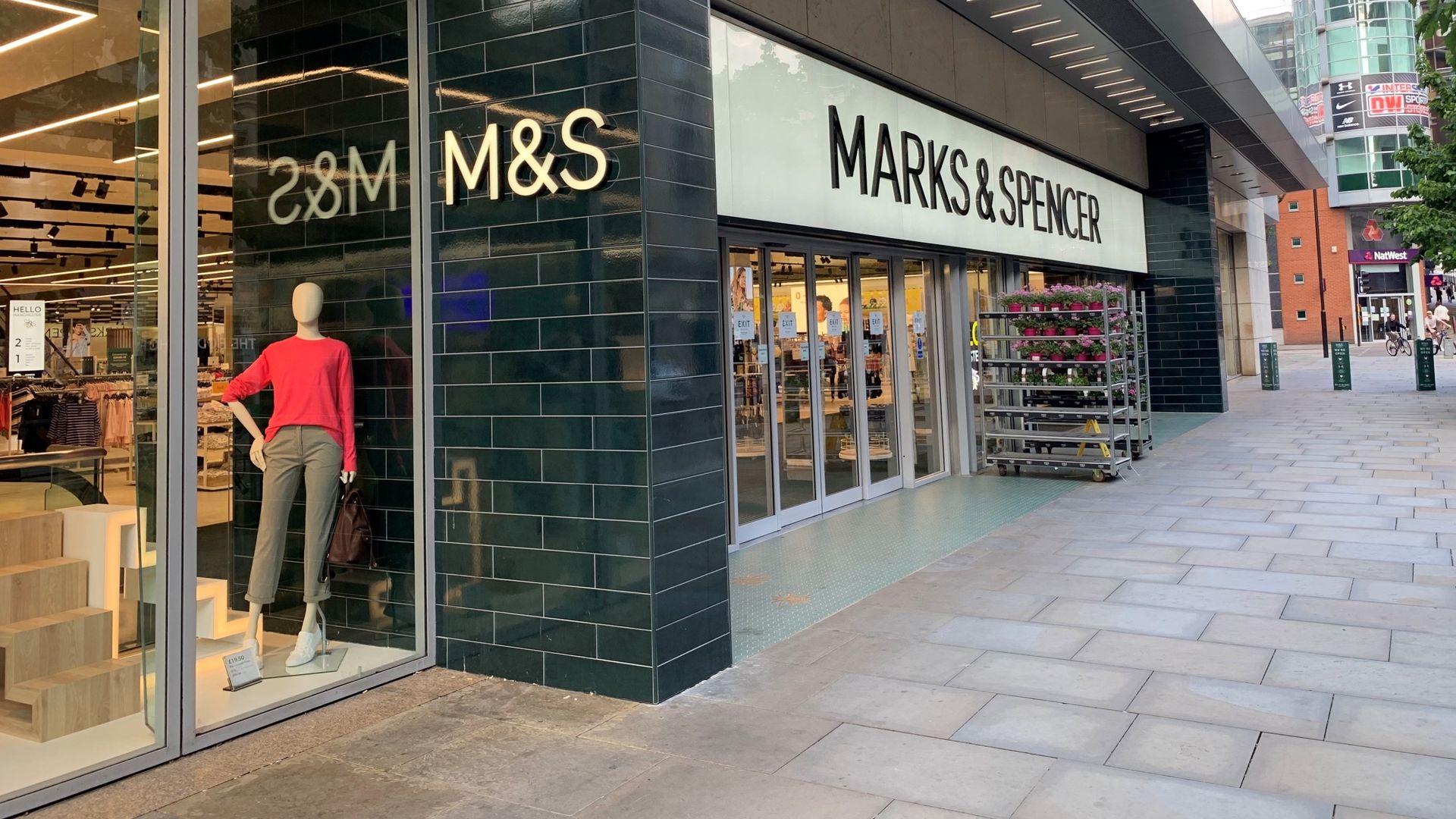
Every time a Chancellor even mutters the word budget, the High Street grandees throw a synchronized tantrum. Marks & Spencer, Tesco, and a chorus of other retail behemoths recently took to penning urgent warnings to Downing Street, screeching that any tax raid will crush profit margins, trigger widespread store closures, and inevitably punish the everyday consumer. It is a well-rehearsed, brilliantly coordinated piece of corporate theater.
The lazy consensus swallowed whole by the media is that these retail titans are the beleaguered victims of government overreach, squeezed between rising operational costs and a cash-strapped public. I have spent two decades watching corporate boards shift blame from their own strategic failures to whichever politician happens to be holding the treasury keys at the time. I have seen companies blow millions on bloated supply chains and archaic store portfolios, only to turn around and weep about business rates the second their quarterly earnings miss expectations.
Tax changes sting, obviously. National Insurance hikes and business rate adjustments bite into the bottom line. But let us stop pretending that a tick upward in statutory contributions is the primary executioner of traditional retail. The real killer is a stubborn refusal to adapt to modern consumer behavior, masked by a convenient, perpetual war against the Treasury.
The Margin Myth and the Cost-Alibi
Let us look at the numbers without the corporate spin. When Tesco or M&S warn that tax increases will force them to slash jobs or pass costs onto shoppers, they are relying on a fundamental public misunderstanding of how retail margins operate. They paint a picture of a razor-thin enterprise hanging on by a thread, where a single percentage point on employment costs spells immediate catastrophe.
The truth is much more mundane and far less sympathetic. Traditional supermarkets and high street giants operate with massive absolute cash flows built on high-volume, low-margin inventory turns. When a tax raid hits, it compresses those margins slightly, yes. But it also exposes companies that have failed to automate, failed to right-size their massive physical footprints, and failed to build resilient digital supply chains.
Blaming the Chancellor is cheaper than admitting that maintaining thousands of cavernous, under-visited square feet of retail real estate in prime city centers is an economic relic of the twentieth century. Instead of innovating their way out of a margin squeeze, these executives rely on political lobbying and public sympathy campaigns. They want the government to act as a permanent cushion against economic gravity.
Footprint Bloat Versus Digital Reality
Walk through any major UK shopping center on a Tuesday afternoon and you will see the physical manifestation of the retail lobby's core problem. Vast expanses of floor space dedicated to inventory that turns over at a snail's pace, staffed by armies of cashiers who could easily be replaced by automated workflows years ago.
The retail giants love to talk about community impact and job creation when defending their store counts, but the balance sheet tells a different story. Traditional store portfolios are often anchor weights dragging down profitability. When digital-native competitors can fulfill orders with a fraction of the overhead and zero physical shopfront leases, the traditional grocer is fighting a war with muskets while the opposition has artillery.
Yet, when tax adjustments threaten to raise the cost of maintaining this bloated infrastructure, the narrative immediately shifts to job losses. It is an effective emotional blackmail. If the government touches our rates, grandad loses his local store. But keeping an inefficient store open solely because it has always been there is terrible business strategy.
I have advised boards that were terrified of closing unprofitable legacy stores because of the short-term PR fallout, only to watch those same stores bleed capital for a decade until bankruptcy forced their hand anyway. Proactive pruning is painful. Lobbying the government to keep your dinosaur alive is comfortable. That is why they choose the letters to Downing Street over radical internal restructuring.
The Real Price of Complacency
What happens if the retail giants actually get their way and the Treasury blinks? We get a temporary reprieve for inefficient business models. We reward companies for stagnation.
When you insulate corporate behemoths from fiscal pressure, you remove the survival incentive that drives genuine innovation. The companies that are currently winning—the agile discounters, the hyper-localized specialists, the pure-play digital operators—are not sitting around waiting for tax breaks. They are engineering smarter logistics, shrinking their physical footprints, and investing heavily in predictive inventory analytics. They understand that the macroeconomic environment is a given, not a variable you can lobby away.
If M&S and Tesco spent half the energy on supply chain optimization that they spend on drafting open letters to the Prime Minister, their margins would be immune to a standard budgetary shift.
Stop buying the narrative that a tax raid is killing the High Street. The High Street is being killed by a lack of imagination, excessive legacy overhead, and a leadership class that would rather beg for government handouts than execute a difficult pivot. The next time you read about a retail CEO warning of impending doom due to tax policy, look past the headlines. They are not fighting for your grocery bill. They are fighting to protect a broken status quo.