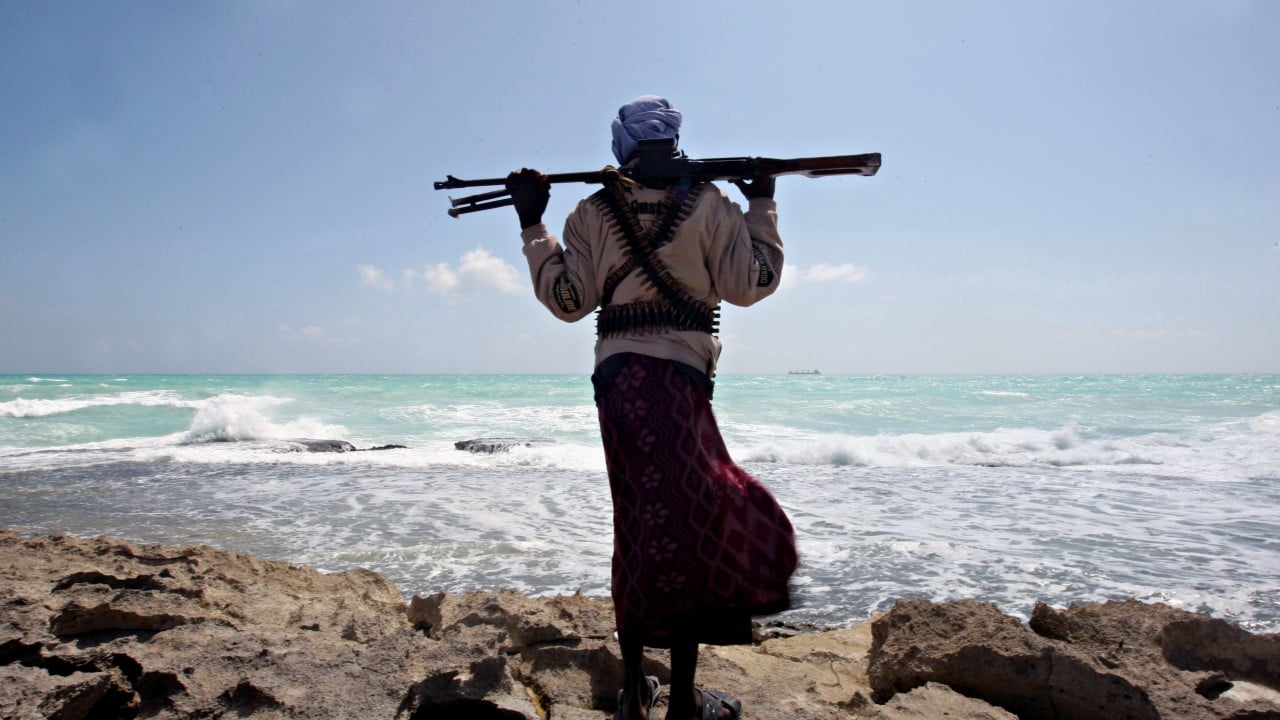
Twenty sailors woke up to a nightmare off the coast of Yemen. Six armed pirates boarded the Eritrean-flagged oil tanker M.T. Sibu 1, seizing control of the vessel and taking its entire crew hostage.
This isn't an isolated incident from a decade ago. Somali piracy is back. And the global maritime community is scrambling to figure out how to stop it. In similar updates, take a look at: Strait of Hormuz Routing Failures And Strategic Energy Diversification Costs.
The hijacked tanker is no ordinary ship. It operates under strict United States sanctions due to its ties to the Iranian petroleum trade. When pirates targeted the vessel roughly 136 nautical miles east of al-Mukalla, Yemen, they inadvertently dragged an already messy geopolitical sanctions web straight into a violent criminal enterprise.
Inside the Hijacking
The math of the attack was brutally simple. Six men with guns overpowered a commercial crew. USA Today has provided coverage on this important issue in extensive detail.
The ship carried 20 souls on board: 16 Indian nationals, one Syrian, one Sudanese, and one Iraqi. After taking control, the attackers forced the vessel south, diverting it away from its route and toward Somalia's Puntland coast.
Cargo tracking and maritime reports confirm this is part of an alarming upward trajectory. According to data from the International Maritime Bureau, at least 13 vessels have faced attacks this year alone off Somalia and within the Gulf of Aden. Compare that to just five total attacks recorded across the entirety of 2025. The numbers don't lie. The threat has returned with a vengeance.
Why the Gulf of Aden Is Wide Open Again
You might wonder how modern navies let this happen. Where are the international patrols that spent the 2010s locking down these exact shipping lanes?
The answer comes down to stretched resources and shifting global priorities. Major naval assets that used to patrol for pirates have been pulled away. They're tied up in the Strait of Hormuz and the Red Sea, dealing with entirely different threats like Houthi missile attacks and geopolitical flashpoints involving Iran.
Pirates watch the map. They notice when warships leave. When naval patrols thin out, criminal networks fill the vacuum immediately.
Timothy Walker, a senior researcher at the Institute for Security Studies in Pretoria, put it bluntly when speaking about the region: piracy was never truly eradicated. It just hibernated. It waited for a moment when the world's navies looked the other way.
The Sanctions Complication
Targeting a ship flagged in Eritrea and sanctioned by the United States creates a massive diplomatic headache.
Shadow fleet tankers carrying Iranian oil already operate outside standard transparent channels. They often use convoluted ownership structures, flag hopping, and disabled transponders to dodge western enforcement. When one of these ghost ships gets hijacked, getting international rescue forces to prioritize its defense becomes politically complicated.
Governments are hesitant to expend taxpayer resources or risk military escalation to rescue vessels that are actively breaking international sanctions. Pirates know this. They understand which ships lack robust state backing or quick-response naval protection.
The Human Cost Behind the Headlines
Behind the geopolitics and sanction tracking are real families waiting for phone calls that might take months.
The International Maritime Bureau noted that Somali pirates accounted for a staggering 94 percent of all crew members taken hostage globally during the first half of the year. Seafarers from nations like India, Syria, Sudan, and Iraq are bearing the brunt of this resurgence. They are just trying to make a living in one of the most dangerous professional corridors on earth, only to find themselves pawns in a crossfire of crime, corruption, and international sanctions.
Local authorities in Puntland have expressed frustration, pointing out that regional forces are struggling to contain groups operating beyond their immediate control. Meanwhile, kinetic responses like airstrikes targeting pirate hubs risk catching local fishermen in the crosshairs, creating even deeper friction between coastal communities and central authorities.
The security vacuum in the Horn of Africa isn't going away anytime soon. Until major maritime powers readjust their focus back toward basic anti-piracy enforcement, commercial crews transiting the waters near Yemen will remain sitting ducks.