The rain in the mountains does not announce itself. It gathers in the high, silent passes where the air turns thin and blue, accumulating weight against the stone before it breaks. When it falls, it does not come as a shower. It comes as a wall.
To understand what happened when the flash floods tore through the valleys of Nepal, claiming sixteen lives in a matter of hours, you have to picture the geography of sudden grief. You have to imagine a riverbed that was dry and quiet yesterday—a place where children skipped smooth gray stones and women washed clothes in the dwindling afternoon current. Then, upstream, a cloudburst shatters the quiet. Millions of gallons of water, heavy with mud, uprooted pine trees, and the debris of a thousand forgotten landslides, race downward through narrow ravines.
Water does not negotiate. It arrives.
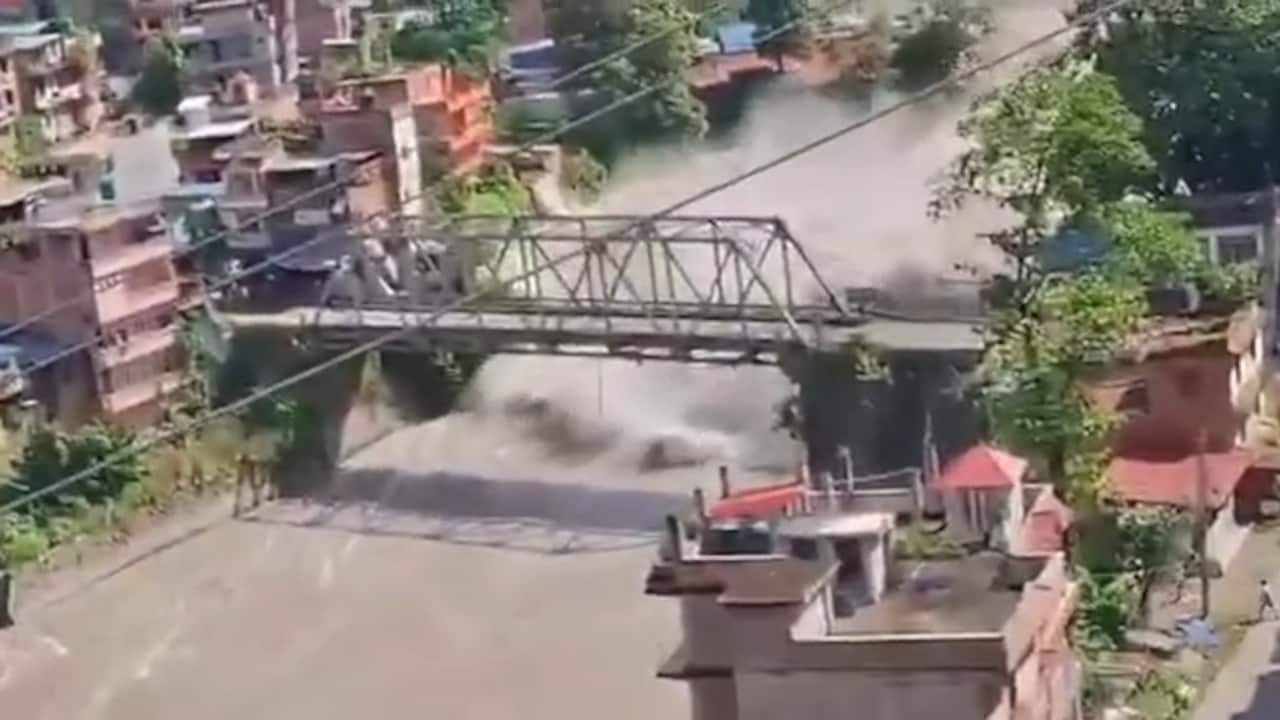
By the time the sirens might have sounded—had there been sirens—the water was already licking at the doorframes of stone houses in remote hillside settlements. It is a terrifying kind of physics. Gravity accelerates destruction, turning ordinary rainfall into a hydraulic battering ram. Sixteen souls gone before the sun could clear the ridge. Entire fields of early-season crops buried beneath yards of thick, gray silt. Bridges snapped like dry twigs, isolating communities that now look out at each other across widened, raging chasms of brown water.
Silence follows the roar. And then, the waiting begins.
Across the open border, hundreds of miles away in the bustling corridors of New Delhi, the machinery of response stirs into motion. Relief is not a vague sentiment; it is heavy, physical, and urgently complicated.
Consider what it takes to rescue a valley.
You cannot simply drop aid from the sky like confetti. Tarpaulins, water purification tablets, dry rations, heavy-duty medical kits, and portable solar generators must be gathered from sprawling warehouses, inventoried, packed onto heavy transport trucks, and hauled across winding mountain highways that are themselves vulnerable to secondary mudslides.
India’s preparation to dispatch relief material to its neighbor is an exercise in logistical grace under pressure. It is a dance of neighbors who know that geography is both a bond and a hazard. When the Himalayas bleed, the lowlands feel the tremor, and conversely, when disaster strikes the valleys, aid must flow uphill against the current of the crisis.
Behind every statistic in a morning news bulletin—sixteen dead, dozens missing, hundreds displaced—lies an individual tragedy that resists quantification. (Note: These numbers reflect early emergency assessments and are subject to change as rescue teams reach cut-off zones). Imagine a father standing on a newly formed riverbank where his home used to stand, clutching a single wet photograph. Imagine a medical clinic where the shelves are upright, but the medicine is ruined by contaminated mud.
This is where the invisible stakes reveal themselves. Relief is not merely about calories and canvas. It is about restoring a fragile sense of order to a world that has been violently rearranged in the dark of night.
When the first Indian relief convoys cross into Nepalese territory, they bring more than boxes of supplies. They bring confirmation that the isolated are not forgotten. In the calculus of international disaster response, speed is the only currency that matters. Every hour a village spends without clean drinking water multiplies the risk of disease, pushing a localized weather event toward a broader public health catastrophe.
We talk about climate volatility as a modern abstraction, a phrase tossed around in air-conditioned conference rooms thousands of miles from the mud. But climate volatility tastes like grit and dirty water. It smells like crushed pine and wet earth. It looks like a mother walking for three hours across a broken trail just to find a working satellite phone to tell her sister she is alive.
The rain has stopped in the high passes now. The sky has cleared to an indifferent, brilliant blue. Down below, the survivors are already stepping into the muck with shovels, clearing the paths, looking for what the water left behind. Across the border, the engines are idling, ready to climb.