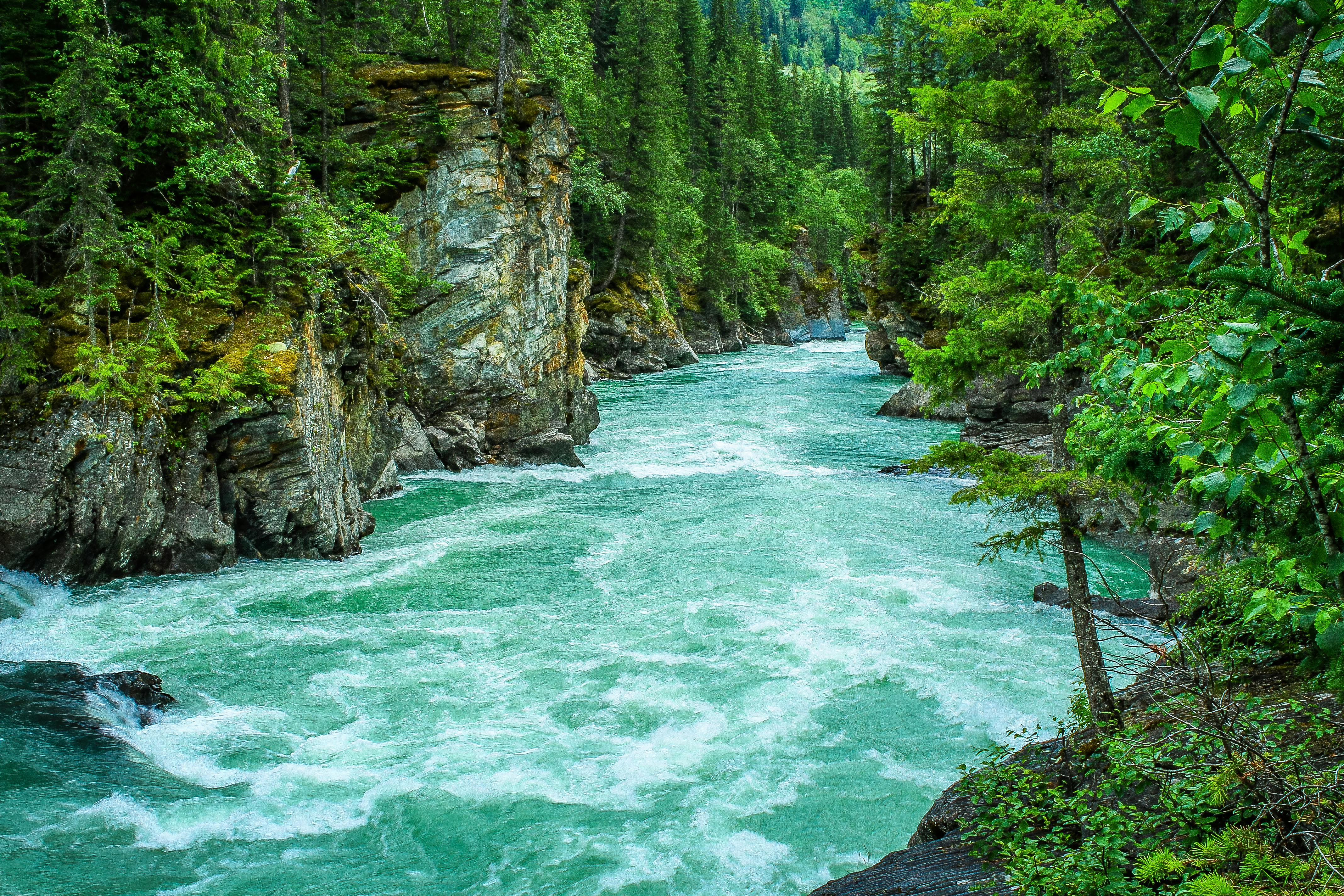
The roar begins in the belly of the earth before it ever reaches the ears. Anyone who has lived through a Himalayan monsoon knows that sound. It is not the sound of water. Water is fluid, liquid, manageable in thought. This is the sound of a thousand grinding stones, an industrial engine tearing loose from its foundations, sliding down a vertical cliff at forty miles an hour.
When the river rises in the middle of the night, it does not knock. It takes the door, the frame, and the wall behind it. If you liked this article, you might want to look at: this related article.
Consider what happened in the high valleys of Nepal when the rain stopped being rain and turned into a vertical ocean. More than six hundred and fifty workers—engineers, welders, night-shift monitors, cooks, and local laborers—found themselves trapped not just by rising water, but by the sudden, terrifying erasure of the geography they knew. Hydropower projects, engineered with precision steel and concrete poured to withstand the worst centuries had offered, met a storm that did not care about load calculations.
The official bulletins called them "disrupted infrastructure assets." They spoke of penstocks ruptured, transmission lines snapped like dry pine twigs, and turbine halls choked in grey, suffocating silt. But numbers on a spreadsheet hide the human friction. For another angle on this event, refer to the recent update from USA Today.
Take Ramesh. (Note: Ramesh is a composite character, built from the verified testimonies of survivors pulled from the Arun and Trishuli river basins.) Ramesh is thirty-four. For three years, his hands have smelled of machine grease and diesel. He worked on a mid-sized hydro installation nestled deep in a steep gorge, a place where the sun only reached for four hours a day. His job was simple: monitor the intake gates, check the vibration sensors on turbine three, and drink too much sweet black tea from a chipped tin mug.
When the alarm sounded at two in the morning, Ramesh did not think about kilowatt-hours or the national grid’s deficit. He thought about his boots. They were under the cot. In the dark, with the barracks trembling as if a freight train were barreling through the kitchen, he reached for them.
That split second—valuing a pair of rubber boots over immediate vertical flight—is where disaster meets human stubbornness. We always believe we have one more minute. We believe the mountain will hold just long enough for us to grab our phone, our jacket, our wages.
The mountain does not bargain.
By dawn, the river had claimed the access roads. Bridges that had stood since the grandfather of the local mayor was a boy simply unspooled into the froth. Six hundred and fifty souls were marooned on high shelves of rock, cut off from cellular signal, staring down at a brown, churning chaos that used to be a trout stream.
This is the hidden cost of our insatiable hunger for clean energy. We build our temples to progress in the most volatile corridors of the planet. Hydropower is supposed to save us from the atmospheric ledger sheet, turning the fierce, downward gravity of melting glaciers into silent electricity that powers refrigerators in Kathmandu and electric scooters in Delhi. We look at the glossy corporate brochures showing a pristine blue reservoir reflecting a cloudless sky.
The brochure never shows the silt.
Silt is the quiet killer of hydro. When a monsoon like this hits, it carries millions of tons of topsoil down the slopes. The turbines act like giant blenders, chewing through slurry that strips steel blades down to razor edges in minutes. But long before the machinery fails, the human supply chain breaks.
Imagine trying to drop a bag of rice to six hundred stranded men perched on a mudslide sixty miles from the nearest paved road. Helicopters try. They fight downdrafts that could snap a rotor blade like a toothpick. Pilots flying these missions do not talk about heroism over their radios; they talk in short, clipped grunts, eyes locked on altimeters that fluctuate wildly as thermal air currents bounce off the canyon walls.
The irony is sharp enough to draw blood. The very people working to bring electricity to remote, dark mountain villages are the ones plunged into absolute darkness when the infrastructure turns against them. For days, families down in the plains waited. Telephones rang into empty rooms. News trickled out via satellite phones carried by hikers who managed to pick their way down goat paths that had not yet slid into the abyss.
We forget that behind every megawatt is a human footprint. We treat energy as an abstraction, something that flows invisibly from a wall socket, untethered from physical reality. But reality has weight. It has the weight of a boulder crashing through a powerhouse roof. It has the weight of a mother in a village three valleys away, staring at a static-filled radio, wondering if her son was on the shift that started at midnight.
Rescue operations in these terrains are exercises in slow, agonizing patience. You cannot rush a mudslide. You wait for it to settle. You wait for the clouds to lift enough for a pilot to see the edge of a helipad. Every hour stretches like a rubber band pulled to its absolute limit.
When the first survivors were finally airlifted out, their eyes had that specific, hollow look common to those who have listened to the earth roar for forty-eight hours straight. They did not talk much. They climbed out of the chopper, accepted a warm blanket from a Red Cross volunteer, and stared back toward the gorge.
The river is still there. It has carved a new channel, wider now, chewing away another slice of the hillside where the barracks used to stand. The corporate boards in the capital are already holding emergency meetings, calculating insurance payouts, timelines for reconstruction, and the impact on regional power tariffs.
Ramesh is sitting on a low concrete wall outside a tea shop fifty miles south of the disaster zone, turning a smooth, grey river stone over and over in his palm. He is alive. His boots are gone. The turbines he used to tend are currently buried under twenty feet of gravel.
Above us, the high tension wires hum a low, constant note, carrying invisible power through the mountain pass, indifferent to the mud below, humming right up until the next cloud breaks.

