The mountains do not scream when they fall. They whisper first, a low rumble that vibrates through the soles of your feet before the windows shatter.
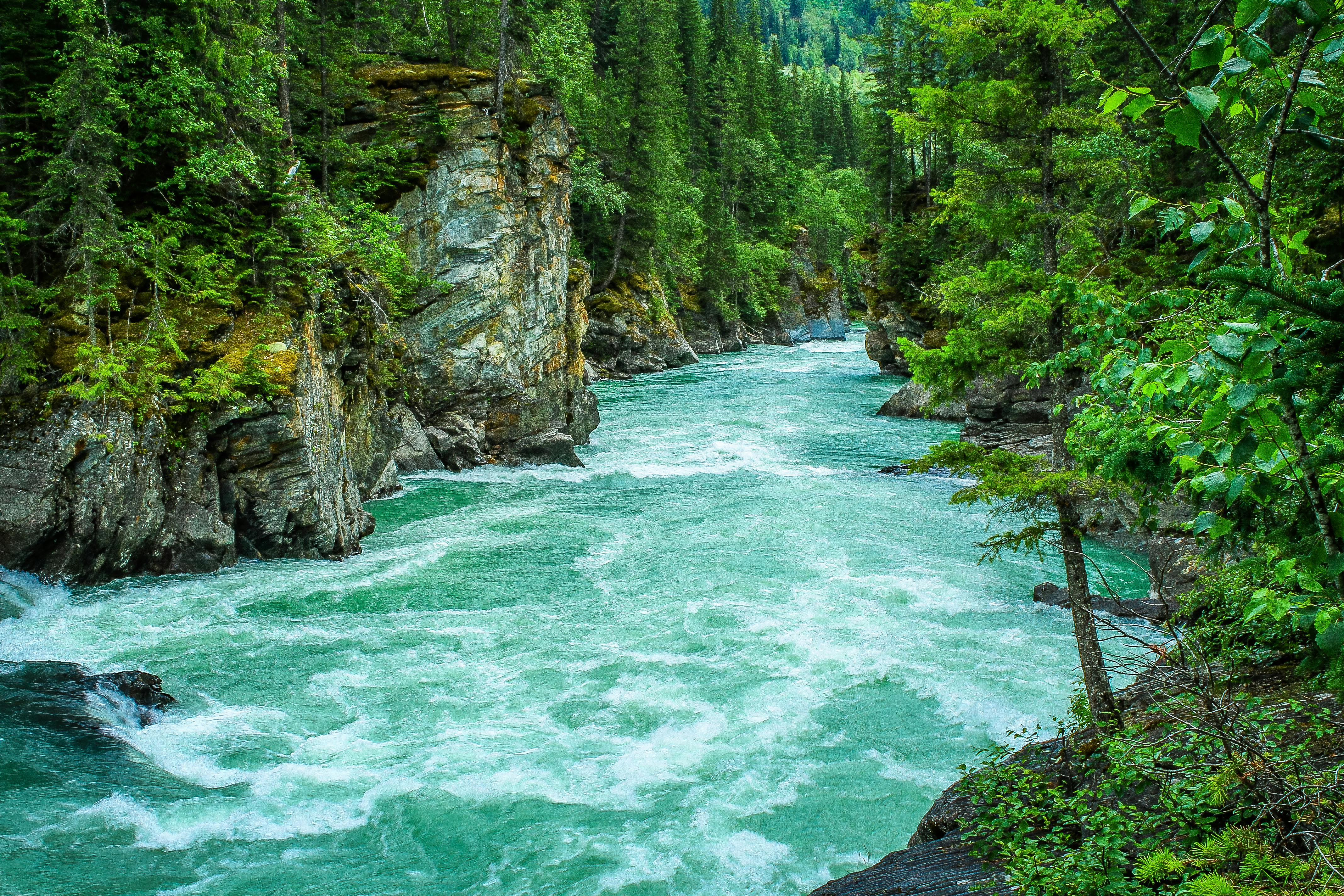
In the high valleys of the Himalayas, water is usually a promise. It is the glacial blue fed by ancient snows, turning prayer wheels in mountain streams, watering terraced fields that stair-step down to the riverbeds. It is life. Until it isn't.
When the cloudbursts hit Nepal and China, they did not arrive as rain. They arrived as walls.
Imagine standing on a bridge you have crossed a thousand times, listening to a sound like a freight train coming down a track with no rails. That was the sound that woke villages across the roof of the world. Within minutes, entire communities were erased. More than 1,300 people vanished. Not just houses gone, but the ground they stood on, swept away by flash floods and mountainous debris flows that turned solid earth into liquid stone.
Statistics are shields. They protect us from feeling the weight of numbers. One thousand three hundred sounds like a ledger entry, a line item on an evening news broadcast watched from the safety of a lit room thousands of miles away. But peel back the dry reporting, and the human architecture of the disaster emerges.
Consider a hypothetical tea house owner named Pemba, high in the Nepalese hills. We can picture him because his story repeats in every disaster archive. Pemba spent forty years watching the river below his kitchen window shrink year by year, retreating up the mountain as the glaciers bled out under a warming sky. He worried about drought. He worried about the crops. He never worried that the river would suddenly reclaim every inch of earth it had surrendered over a century, all in the span of twenty minutes.
When the surge came, it carried tractor-sized boulders and ancient pines like toothpicks.
Water is heavy. A cubic yard of water weighs roughly seventeen hundred pounds. Mix that water with mud, rock, and uprooted trees—creating what hydrologists call a debris flow—and that weight multiplies exponentially. It becomes a battering ram of stone and slurry, moving fast enough to flatten concrete buildings as if they were made of paper.
Behind the dry headlines of the Al Jazeera reports lie days of desperate silence. Roads vanished. Bridges snapped like dry twigs, isolating mountain communities where rescue helicopters could not fly because the monsoon skies remained choked with thick, angry clouds. Families stood on stranded patches of mud, watching relatives across a newly widened, raging torrent that used to be a fish-filled creek.
Why does this happen with such terrifying frequency now?
The answer is written in the atmosphere. The Hindu Kush Himalayan region is warming at a rate well above the global average. As temperatures rise, glaciers melt faster than nature intended, filling high-altitude glacial lakes beyond their natural earthen boundaries. These are ticking water clocks. When an unusually heavy monsoon drops weeks of rain in a matter of hours, those fragile natural dams fail. A glacial lake outburst flood, or GLOF, unleashes billions of gallons of water down narrow gorges with catastrophic speed.
It is physics operating on a brutal scale.
Downstream, communities are caught in a mismatch between ancient wisdom and modern volatility. For generations, grandfathers taught their children where to build houses, where the high-water mark lived, where the soil was safe. But the grandfathers' math no longer applies. The climate has rewritten the rules of the mountain. Rivers are no longer bound by seasonal predictability. They are erratic, swollen beasts fueled by melting ice and erratic storms.
Search and rescue operations face an impossible geometry. How do you find someone when the landscape itself has been rearranged? Valleys are filled with twenty feet of fresh silt. Trails are gone. Entire hamlets are buried beneath gray sludge that hardens in the sun like concrete. Rescue workers tread carefully across unstable terrain, knowing that the next rain could trigger a secondary landslide, burying them alongside those they seek.
We look at these tragedies from afar and feel a momentary knot in the chest, a quiet gratitude for the four walls around us, and then we turn the page. We scroll to the next video. We go back to work.
Yet the mountains remember.
The people who lived in those valleys did not simply vanish from the earth; they were unmade by a planet responding to forces we set in motion. The water that tore through their homes will eventually reach the sea, carrying the dust of ancient stones and lost lives across borders, binding us all to a shared geography of consequence.
Night falls quickly in the high valleys. Without electricity, the darkness is absolute, heavy with the smell of wet earth and crushed pine. Somewhere out there, beneath the stars that look down indifferently on both peace and ruin, the river keeps running. It has found a new path. And the mountains wait for the next whisper.