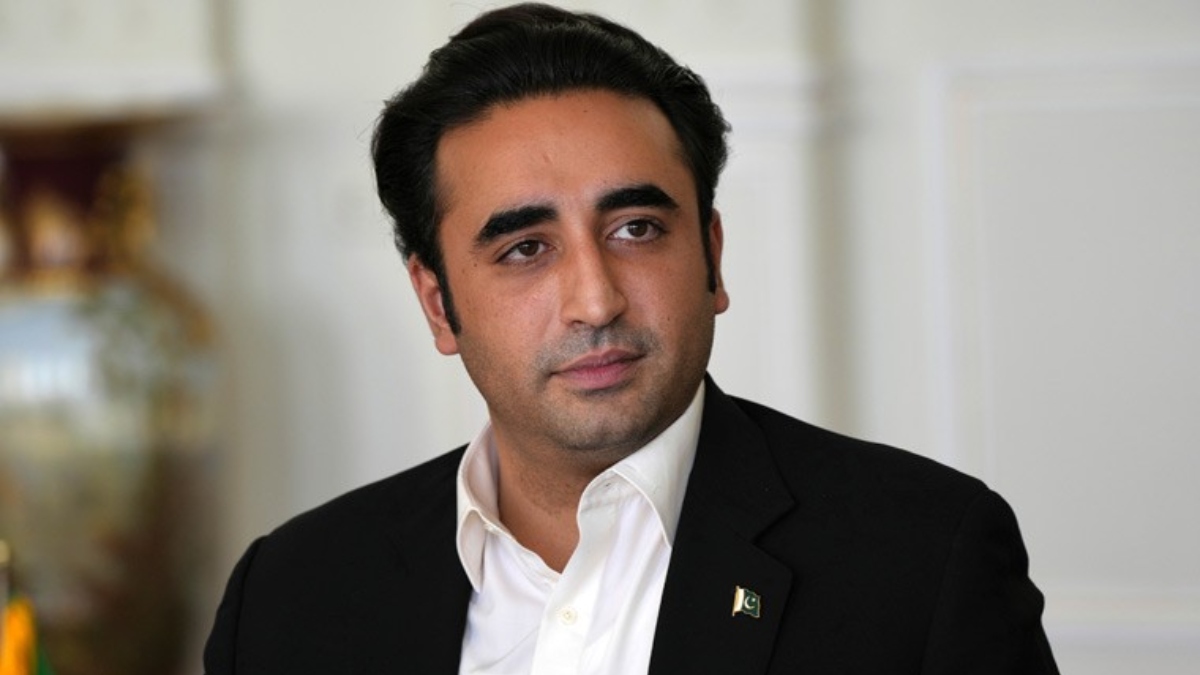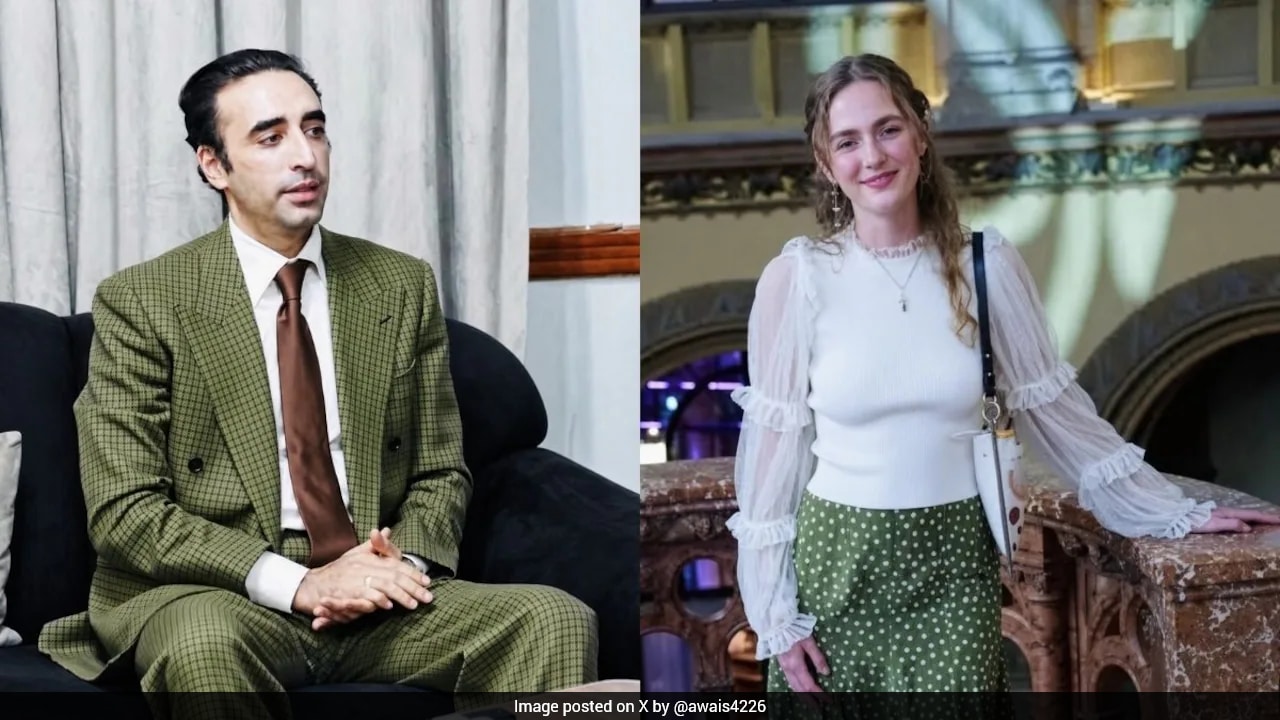
Rumors travel with the speed of a desert wind, carrying whispers of romance, foreign courts, and ancient political echoes. Across the tea stalls of Karachi and the drawing rooms of Islamabad, a single sentence recently took root: Bilawal Bhutto Zardari is marrying a European princess.
It sounds like a plotline stitched together from late-night historical dramas. Yet, in a country where political dynasties are treated with the fervent, undivided attention usually reserved for royalty, the speculation gripped the public imagination overnight. If you found value in this post, you might want to look at: this related article.
Private lives inside the House of Zardari are rarely private. When you carry a name etched into the blood and ballot boxes of Pakistan’s turbulent history, your personal milestones cease to belong to you. They belong to the state. They belong to the party workers who hand out sweets in the bazaar. They belong to the critics watching every gesture for signs of weakness or strength.
So, when the chatter reached a fever pitch, party leaders had to step into the light. For another perspective on this event, check out the recent coverage from BBC.
It started with a denial. Not a cold, bureaucratic press release, but a direct, unequivocal dismissal from within the Pakistan Peoples Party. The rumor was baseless. Pure fiction. A fabrication born from the endless hunger for fairy tales in a landscape that usually offers very little comfort.
Picture the scene inside a provincial party office. Neon lights humming against the heavy heat of an afternoon. Workers gathered around a television screen, drinking cardamom-scented tea from cracked porcelain cups. Someone laughs, shaking a newspaper. Another looks thoughtful, wondering if a royal match might change the geopolitical weather. This is how mythology is manufactured in the modern age. A passing comment online transforms into a trending topic, and suddenly, seasoned politicians are forced to address matters of the heart instead of matters of the state.
Why did this particular rumor resonate so deeply?
To understand the public's appetite for this story, one must look at the unique psychology surrounding Pakistan's political elite. Bilawal Bhutto Zardari occupies a strange, singular space. He is the son of an assassinated prime minister, Benazir Bhutto, and a former president, Asif Ali Zardari. He carries the weight of a maternal legacy defined by martyrdom and immense global charisma. Every step he takes is measured against a ghost.
When a leader's public persona is forged entirely in tragedy and duty, the public yearns for a human counterweight. A wedding offers a narrative reset. It promises joy, continuity, and a departure from the endless cycle of economic crises, parliamentary stalemates, and security threats. A European princess? It sounds absurdly romantic, an escape hatch from the gritty reality of domestic politics into the sunlit terraces of a foreign palace.
We want our leaders to be larger than life, yet we also want them to bleed like us. We want them to fall in love, to break hearts, to live out the kinds of stories we consume on our screens.
The party’s swift clarification was designed to pop the bubble. But logic rarely defeats a good story. Even after leaders stepped forward to douse the flames, the embers continued to glow in digital corners. People love a secret. They love the idea that power protects its most intimate details behind high walls.
Public service is a peculiar form of imprisonment. Every relationship, every silence, every casual glance is dissected by millions. When you are the chairman of a major political party, your marital status is treated as public property. It is debated on talk shows by pundits who have never met you. It is analyzed in editorial columns as though a ring on your finger could shift legislative majorities.
Consider the sheer exhaustion of that existence. To wake up every day and find your personal life converted into currency.
The rumor mill did not spin this out of thin air. It fed on a hunger for reinvention. Pakistan stands at a perpetual crossroads, wrestling with inflation, shifting global alliances, and the heavy drag of political polarization. In times of profound uncertainty, societies often retreat into the comforting tropes of monarchy and romance. We look for symbols of grace that transcend the messy business of governance.
If a young political heir were to marry outside the traditional circles, it would signal a break with convention. It would project a modern, cosmopolitan image on the global stage. That was the appeal. For a brief moment, people could project their hopes for a modernized, internationally connected future onto a hypothetical royal union.
The denial was clear. The facts were straightforward. There is no European princess. There are no secret wedding plans being drafted in foreign capitals.
Yet, the lingering fascination tells us something vital about the electorate. We are not just calculating voters looking at tax policies and infrastructure budgets. We are human beings searching for a narrative arc. We want our politics to mean something. We want our leaders to inhabit a story worth telling.
The tea has gone cold in the cup. The television anchors have moved on to the next crisis, the next parliamentary clash, the next urgent headline. But the whisper remains, hanging in the warm air, reminding us how easily we blur the line between the leaders we elect and the fairy tales we wish they would live.