Thousands of commercial flights across Europe are losing their navigation signals. Pilots are watching their screens glitch over the Baltic Sea. Ships are reporting incorrect locations. Russia is actively jamming GPS signals across Europe, and scientists are waving red flags about how vulnerable our daily infrastructure really is.
This isn't a future threat. It's happening right now.
Most people assume GPS is just for Google Maps or finding the nearest coffee shop. It's not. Modern aviation, maritime shipping, and even banking systems rely on these satellite signals. When Russia tampers with them, it isn't just a political statement. It messes with the invisible scaffolding of modern civilization. Let's look at what's actually happening in European airspace, why current defenses are failing, and how this affects anyone who steps onto a plane.
The Baltic Black Hole
Aviation tracking data shows a massive spike in GPS interference centered around the Baltic region, particularly affecting flights near Kaliningrad, Poland, and northern Europe. The European Organisation for the Safety of Air Navigation, known as Eurocontrol, noted a massive rise in outages. Pilots have to switch to backup systems just to stay on course.
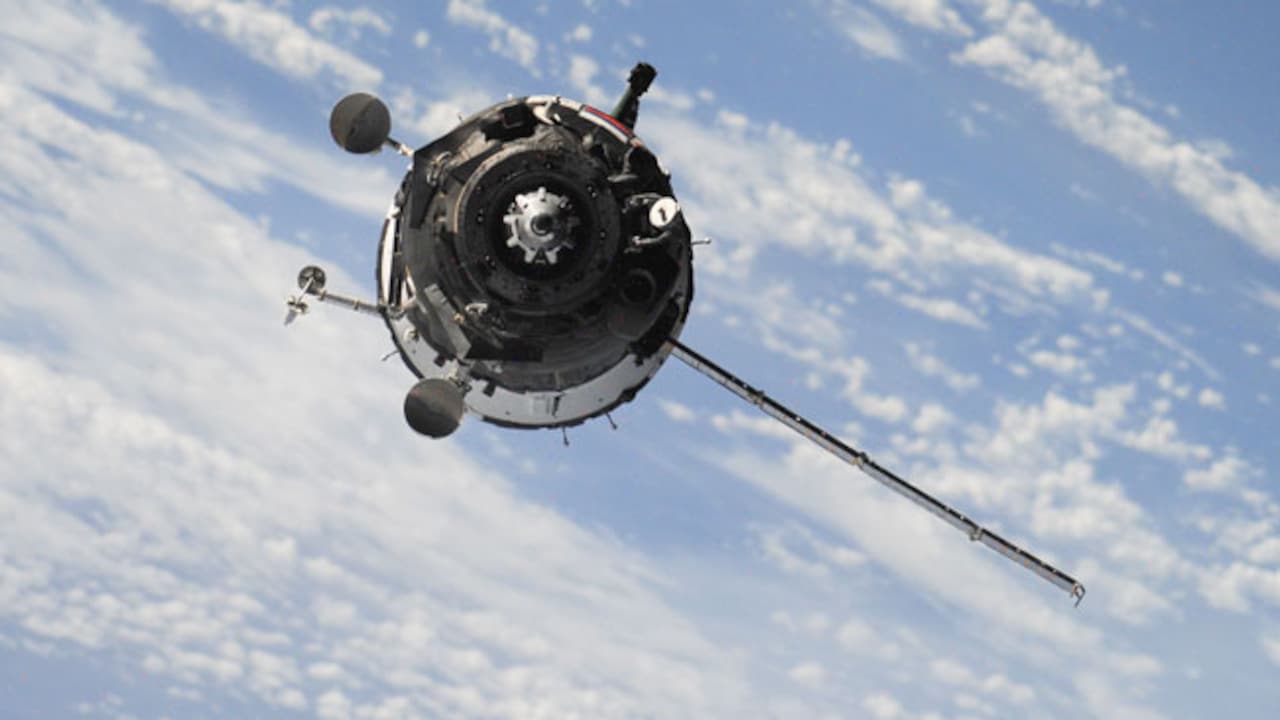
It's a deliberate campaign of electronic warfare. Russian military bases use powerful ground-based transmitters and specialized electronic warfare units to drown out the relatively weak signals coming from GPS satellites. Think of it like trying to listen to a whisper in the middle of a heavy metal concert. The satellite signal gets totally buried in the noise.
This creates a terrifying blind spot. When a commercial airliner loses GPS, it doesn't immediately plummet, but it loses its primary automated navigation. Pilots have to rely on older, less precise terrestrial radio beacons. That increases their workload exactly when they need to be focused on flying the plane.
Why Your Phone Signals Aren't Safe Either
The problem doesn't stop at 30,000 feet. The European Union Agency for Cybersecurity has repeatedly warned that localized jamming can spill over into ground infrastructure.
GPS satellites don't just transmit location data. They send incredibly precise time stamps. Cellular networks use these time stamps to synchronize data packets between cell towers. If a tower loses its time reference for too long, calls drop, mobile internet crawls to a halt, and local networks fail.
- Financial systems use satellite time stamps to log high-frequency trades.
- Power grids rely on them to balance electrical loads across countries.
- Emergency services can't locate people making distress calls when the network is corrupted.
We have built our entire society on a utility that can be turned off by a hostile neighbor with a big antenna. That's a massive structural flaw.
The Myth of Secure Satellites
Western governments spent decades treating space as a peaceful sanctuary. That was a mistake. Space is now an active conflict zone, even if nobody is firing missiles at satellites yet.
Russian electronic warfare tactics have evolved far beyond basic jamming. They're now using "spoofing." Jamming just blocks the signal. Spoofing is worse. It fakes the signal. A spoofing device sends false data that tricks a GPS receiver into thinking it's miles away from its actual position.
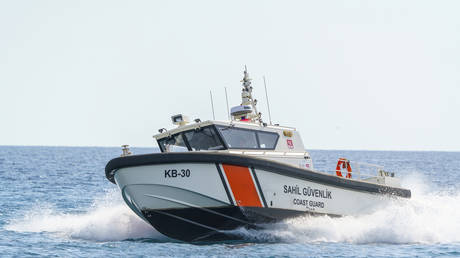
Imagine a ship navigating a narrow channel in dense fog. The GPS says it's safely in deep water, but it's actually heading straight for a reef. That's the reality of spoofing. The Finnish transport agency Traficom has reported multiple instances of aircraft encountering these exact anomalies near the Russian border.
What Needs to Happen Next
Aviation authorities and tech companies cannot keep patching this problem with temporary workarounds. We need systemic changes to protect infrastructure before a major accident occurs.
If you run a business or manage infrastructure that relies on location or timing data, relying solely on standard GPS is a gamble. You need to diversify. Look into receivers that support multiple satellite constellations simultaneously, including Europe's Galileo system, which offers encrypted signals that are harder to jam.
For the aviation and maritime sectors, the immediate step is accelerating the deployment of Alternative Positioning, Navigation, and Timing systems. These ground-based systems act as a hardwired backup when space-based signals go dark.
We also need tighter regulations forcing critical infrastructure operators to maintain analog or independent backup clocks. Relying on a single point of failure located thousands of miles above the Earth is no longer a viable strategy in a hostile world.